CrossFit Open Gym Access: Adding Revenue Without Diluting the Class Experience
Open gym add-on pricing — who it's for, when it cannibalizes classes, and how to structure it so it adds revenue without emptying WOD classes.
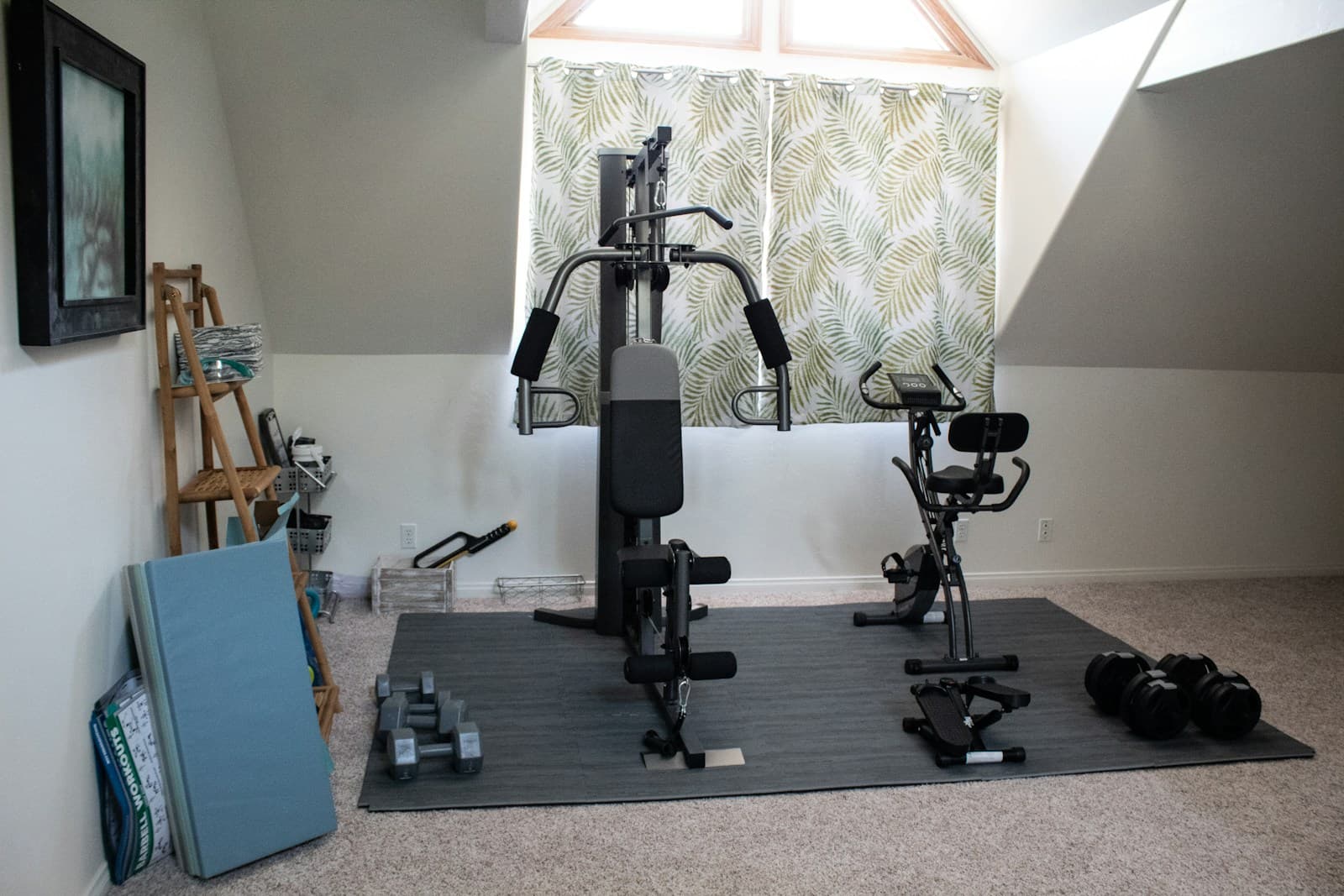
Open gym access adds $45–$70/month per member to your revenue without adding a class slot — but only when it's time-restricted and gated behind a competency threshold. Boxes that offer unrestricted open gym as a cheap add-on consistently report lower class fill rates within six months, because members substitute open gym for the programmed WOD. The Time-Gated Open Gym Model prevents that substitution.
What is the difference between open gym and class programming?
Open gym is self-directed training time in the facility outside of scheduled classes. The athlete decides what to work on — strength cycles, skill practice, accessory work, or their own programming.
This is fundamentally different from the coached, programmed class experience that defines CrossFit as a product. Classes have a coach, a structured warm-up, a programmed WOD, and the community energy of a shared workout. Open gym has none of those elements by design.
The distinction matters for pricing and policy because they're different products. Open gym is facility access. Classes are a coached experience. Pricing them the same — or letting open gym substitute for classes at no premium — erases the value distinction you've built.
What is the Time-Gated Open Gym Model?
The Time-Gated Open Gym Model structures open gym access around three constraints: time windows, member eligibility, and pricing that preserves the class premium.
Time windows. Restrict open gym to off-peak hours. The standard windows that work without cannibalizing classes: 6–9am (before morning classes start), 1–4pm (afternoon valley), 8–10pm (after evening classes end). These windows serve the athlete who needs flexibility without competing with your highest-demand class slots.
Member eligibility. Require 90 days of class membership and a coach sign-off before open gym access is granted. This ensures open gym users have foundational movement competency and reduces liability. It also signals that open gym is an advancement perk, not a basic access tier.
Pricing structure. Add-on pricing at 25–40% of the base membership rate. The add-on can only be purchased by existing class members — it cannot be bought as a standalone product at this price.
What should open gym pricing look like?
The 22% add-on purchase rate is the key number. If your box has 80 members on unlimited class memberships and you price an off-peak open gym add-on at $55/month, you can expect 17–18 members to add it. That's $935–$990 in additional monthly recurring revenue — without adding a single class slot or hiring another coach.
The members most likely to add open gym are athletes who have been with you 12+ months and want supplemental training time. They're already your best members. The add-on keeps their training fully in your facility rather than drifting to a commercial gym for accessory work.
When does open gym cannibalize class attendance?
Cannibalization happens when open gym access is unrestricted in timing and cheaper than the effective per-class cost of a membership.
Consider a member on an unlimited membership at $175/month who averages 12 classes per month — an effective per-class cost of $14.58. If they can access the box for a self-directed workout at any time for an add-on of $30/month, the open gym becomes an obvious substitute for classes they don't feel like attending. The math supports skipping class.
Time restrictions break this logic. If open gym is only available at 2pm on a weekday, most members can't substitute it for their 6pm class. The windows serve a different need (extra training, not class substitution) and the cannibalization risk disappears.
How does open gym fit into a CrossFit membership tier structure?
Some boxes include open gym access in a premium membership tier rather than selling it as a standalone add-on. This approach works well when the premium tier is priced at a meaningful step above the base unlimited tier.
Example tier structure:
- Unlimited Classes: $175/month — all programmed WODs, standard access
- Elite: $225/month — unlimited classes plus off-peak open gym access — effectively a $50 premium for the open gym access
The Elite tier attracts the same 20–25% of members who would buy the add-on, bundles it cleanly into the membership product, and simplifies the offer. The downside is that you lose the flexibility to sell open gym access to members on lower tiers at a separate price.
For a full overview of CrossFit membership and pricing structures, see the CrossFit membership pricing guide and the profitable CrossFit gym playbook. For retention strategies that keep athletes attending class, see CrossFit athlete retention.
Run your studio on Zatrovo
Manage CrossFit memberships, open gym check-ins, and class scheduling in one platform.
Sources:
- CrossFit Affiliate Playbook — CrossFit Inc., 2024
- IHRSA Fitness Industry Report — International Health, Racquet and Sportsclub Association

We write playbooks for studio operators — based on data from thousands of studios running on Zatrovo across pilates, yoga, lash, nail, massage, salon, dance, and fitness.
Related reading

CrossFit Drop-In Pricing: Setting a Rate That Travels Well Without Undercutting Members
Drop-in rate strategy that attracts traveling athletes without giving members a reason to cancel their membership.

CrossFit Membership Pricing: The Rate Tiers That Stop Athletes From Price-Shopping
Membership rate structures — unlimited, 3x/week, drop-in — with the math on which tier mix maximizes revenue per square foot.

CrossFit On-Ramp Pricing: Charging What the Fundamentals Program Is Actually Worth
On-ramp pricing models — standalone fee, bundled with first month, or free — with conversion data for each approach.