Opening a Massage Practice: Solo to Multi-Room Plan
The step-by-step from solo practice to three-room clinic — including the hiring trigger point.
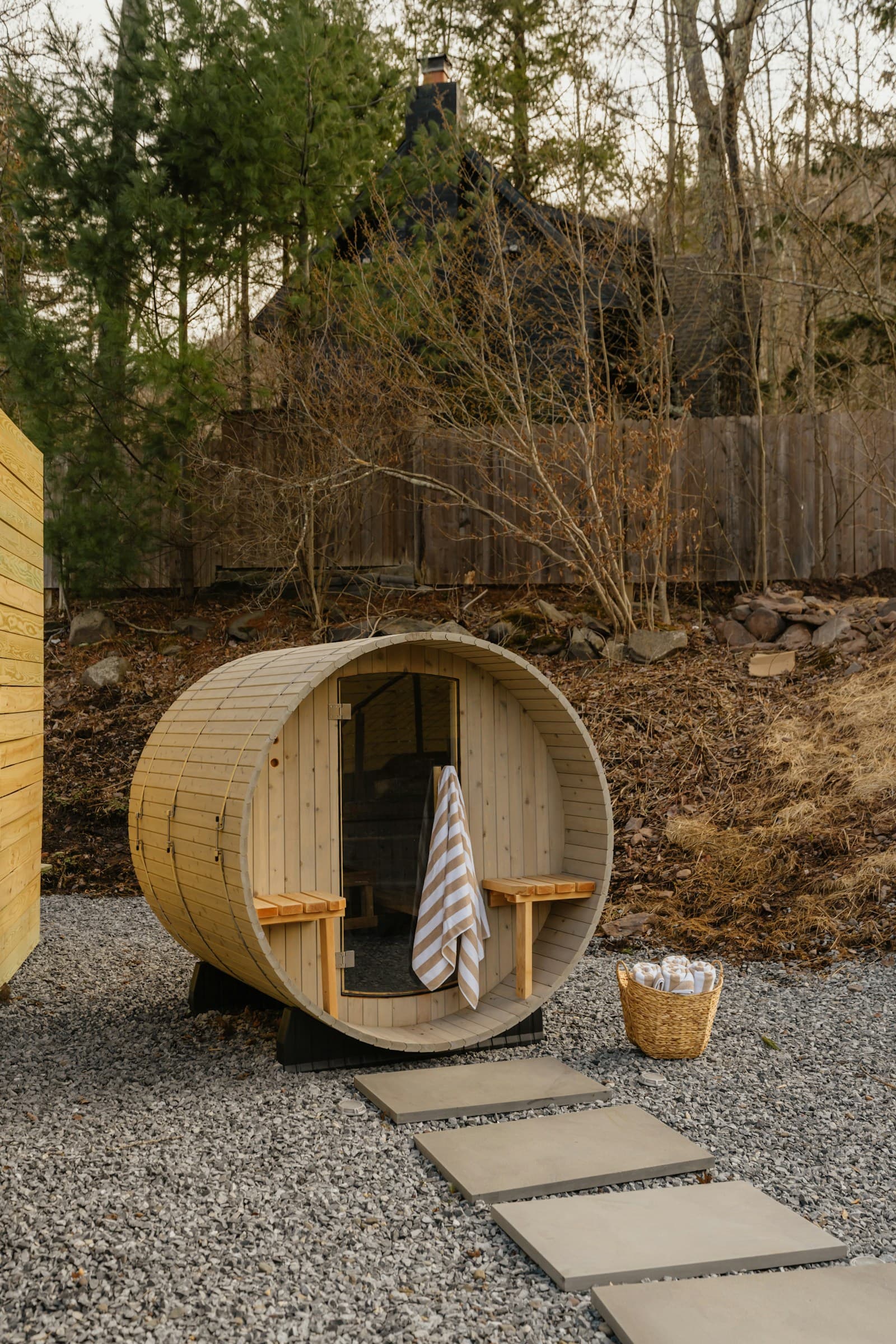
The transition from solo massage practitioner to multi-room clinic is not about buying more tables — it is about knowing when your per-therapist utilization rate justifies the hiring and overhead increase. The hiring trigger point is 75% average utilization of the sole therapist's bookable hours over a 6-week window. Below that, adding a second therapist hurts margin. At or above it, not hiring costs revenue.
What Does the Solo Phase Actually Look Like?
Most massage practices open solo. The solo phase has a ceiling — one therapist, 5–6 hours of booked sessions per day maximum — but it also has structural advantages.
Lower overhead. No multi-room lease required. A single treatment room in a professional office suite runs $400–$900/month in most markets. That is the only space cost.
Simpler scheduling. One calendar, one availability. No staff management, no sub coverage, no scheduling conflicts.
Client experience control. Every session is yours. The relationship, the consistency, and the quality are fully under your control. Building a strong reputation is easier when you deliver every service yourself.
The ceiling: a full-time solo therapist can see 25–30 clients per week at 60-minute sessions with reasonable breaks. At $90–$130/session, that is a revenue ceiling of $2,250–$3,900/week — about $9,000–$15,600/month gross. Before overhead, your take is strong. With growth ambitions, the ceiling is obvious.
When Is the Hiring Trigger Point?
Hire a second therapist when you have been at 75%+ bookable-hours utilization for 6 consecutive weeks.
75% utilization means you are turning away business. At that point, you are losing revenue to unavailability. A second therapist captures that revenue — and the cost of hiring is financed by the new capacity, not by existing margin.
Do not hire at 50% utilization in anticipation of demand. Fill your own calendar first.
What to calculate before hiring:
- Your average weekly revenue at current utilization
- Cost of a second therapist (hourly, commission, or booth rental)
- Additional space cost if you need a second room
- Break-even new clients per week to cover the incremental cost
If a second therapist costs $1,800/week (salary + benefits) and your second room adds $600/month lease cost, your break-even is approximately 12–15 additional booked sessions per week. At 75% utilization on your first calendar, that demand is demonstrably available.
How Do You Move From One Room to Three Rooms?
The expansion from one to three rooms follows a predictable pattern for practices that grow methodically.
The three-room inflection is important: at three rooms and three therapists, you need administrative support. One therapist cannot manage scheduling, billing, and three staff while also seeing clients. Either hire a part-time front desk role or invest in strong scheduling automation that eliminates manual booking management.
What Licensing Do You Need Before Opening?
The licensing stack varies by state but the core requirements are consistent:
- Individual therapist license: Issued by the state massage therapy board. Required before touching any client.
- Massage establishment license: The business location license, separate from your personal license. Processing runs 4–8 weeks.
- Business entity registration: LLC or sole proprietorship — register before opening and use the business entity for all contracts and banking.
- Zoning compliance: For home offices, obtain a home occupation permit. For commercial space, verify the zoning allows massage therapy as a permitted use.
Apply for the establishment license before starting any marketing. Do not collect deposits or pre-book paying clients until your establishment license is in process — the business exists in a legal gray zone before that.
What Software Does a Massage Practice Need?
Solo phase (Phase 1):
- Online booking with real-time availability
- Automated confirmation and reminder SMS/email
- Payment processing (card on file for deposits and no-show fees)
- Basic client records (intake notes, session history)
Multi-therapist phase (Phase 2+):
- Multi-staff scheduling with individual availability management
- Package and gift card management
- Automated rebooking prompts (massage rebooking should be offered at every session end)
- Basic revenue reporting (sessions by therapist, new vs returning client split)
Do not over-invest in software in the solo phase. A $90–$150/month platform handles solo operations well. Scale the software investment as the practice scales.
For the complete massage business model and pricing strategy, see our massage studio business model guide. For pricing structures, see our massage session pricing guide. For therapist compensation as you scale, see our massage therapist pay rates guide.
Run your studio on Zatrovo
Open your massage practice with booking, intake forms, and automated reminders set up from day one.
Sources:
- American Massage Therapy Association — licensing requirements, market data, and practitioner benchmarks
- Federation of State Massage Therapy Boards — state-by-state licensing requirements

We write playbooks for studio operators — based on data from thousands of studios running on Zatrovo across pilates, yoga, lash, nail, massage, salon, dance, and fitness.
Related reading
Massage Business Plan: Template With Real Clinic Numbers
A business plan format for 1, 3, and 5-room massage clinics — with real P&L numbers.
Massage Intake Form Automation: Skip the Clipboard
Digital intake workflows that save 15 minutes per new client — and the HIPAA implications.
Massage Studio Local SEO: Rank for Deep Tissue Near Me
Specific-service SEO — deep tissue, sports, prenatal — outranks generic massage terms.