Beauty Client Retention: The Rebooking Protocol That Outperforms Every Loyalty Card
The rebooking conversation at checkout — timing, language, and the results photo that makes the next appointment feel inevitable.
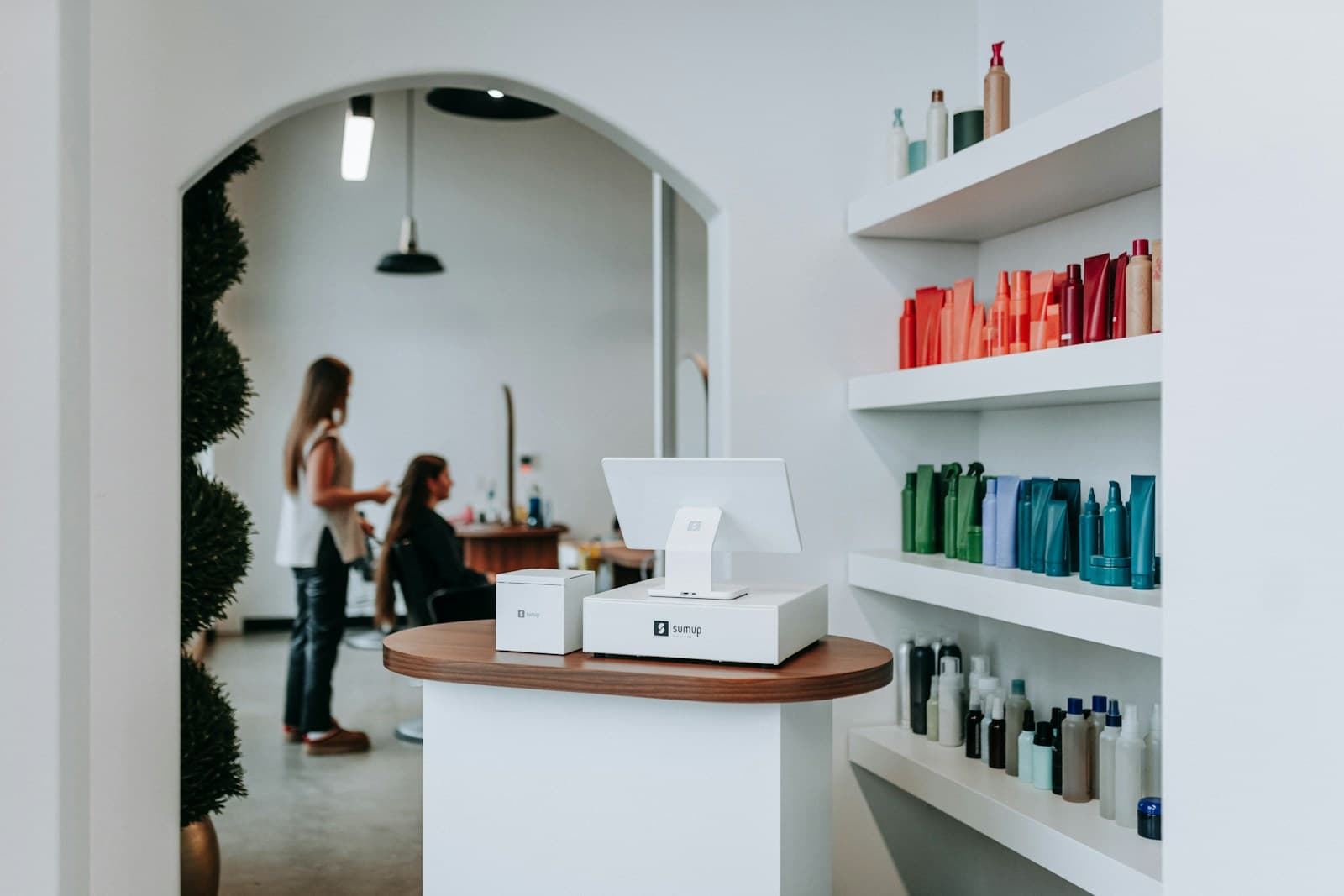
Clients who see their before-and-after photo at checkout rebook at twice the rate of those who leave without one. The rebooking protocol that works combines a photo, a specific timing recommendation, and a direct ask — all in the 3 minutes between treatment end and client departure.
Why Loyalty Cards Don't Build Beauty Client Retention
A loyalty card rewards frequency. It doesn't create the motivation to rebook.
A client who returns because they want their 10th visit stamp is making a transactional decision. A client who returns because they saw dramatic improvement in their skin texture and wants to maintain it is making an emotional decision. Emotional decisions are stickier, less price-sensitive, and more likely to generate referrals.
The rebooking protocol focuses on the emotional driver — visible results — rather than the transactional one. That's why it outperforms every points or stamp program at most beauty studios.
What Is the 3-Step Checkout Rebooking Protocol?
The 3-Step Checkout Rebooking Protocol converts the client's peak satisfaction moment into a confirmed next appointment in under 3 minutes.
Step 1: Results review with before-and-after photo. Before the client leaves the treatment space, show them a side-by-side comparison of before and after photos on your device. Ask an open question: "What do you notice?" This invites the client to articulate their own results in their own words — which is more persuasive than the therapist describing them.
Step 2: Homecare bridge. Recommend 2–3 specific products tied directly to the result they just observed: "To keep the brightness you're seeing now, I'd recommend using [product] every morning. It's what we used today to get here." This connects product use to the result, not to a retail goal.
Step 3: Rebooking ask with timing. "To maintain this, I'd suggest coming back in [4–6 weeks]. Want to book that now before you leave?" The timing recommendation positions the ask as clinical advice. The "before you leave" framing creates gentle urgency.
How Do You Build the Before-and-After Photo System?
The photo system requires consent, consistency, and archiving.
Consent: Capture photo consent at intake or on the digital health form. Language: "We photograph before and after treatments for your personal treatment record and your therapist's reference. Photos are stored privately and not shared without your explicit permission." Most clients consent when the purpose is framed as their record, not the studio's marketing.
Protocol: Same lighting, same angle, same distance at every treatment. Inconsistent photos make comparison less compelling. A simple photo stand or standardized position marker on the treatment bed solves this for face and body work.
Archiving: Store photos in the client's profile in your management platform. Longitudinal records — photos across 6+ months of treatment — are the most powerful rebooking tool you have. A client who can see the trajectory of improvement over 12 treatments understands viscerally what stopping will cost them.
What Communication Between Visits Builds Rebooking Intention?
The window between visits is where retention is won or lost. A client who hears nothing until they cancel their next appointment has no emotional connection to the studio.
Two touch points are optimal:
Day 3 post-treatment check-in. A personal message from the therapist: "Hi [name], checking in to see how your skin is responding to the treatment. Any questions about the homecare routine?" This is not promotional — it's relational. Response rates are high because it arrives when the client is still noticing results.
Week 3 maintenance reminder. "Your appointment is coming up in about [X] weeks. Spaces go quickly at your preferred time — want me to hold a spot for you?" This converts a passive rebooking intention into an active booking.
The tone of both messages should feel personal, not automated. Even if the messages are templated in your CRM, personalize them with the treatment type and the specific homecare product recommended.
How Do You Track and Improve Rebooking Rate By Therapist?
Rebooking rate per therapist is one of the most useful operational metrics in a beauty studio. It tells you directly which therapists are executing the checkout protocol and which aren't.
Measure it monthly. Therapist A books 68% of clients at checkout. Therapist B books 29%. The revenue difference for a full-time therapist seeing 4 clients per day is significant:
At 68%: 2.7 clients rebook per day, 54/month at $120 average = $6,480 in locked-in future revenue. At 29%: 1.2 clients rebook per day, 24/month = $2,880 in locked-in future revenue.
The difference is $3,600/month per therapist in predictable forward revenue — from one behavior change at checkout.
When a therapist has a low rebooking rate, the first intervention is observation: sit in on one of their checkout conversations and identify whether the protocol is missing entirely, happening in the wrong order, or lacking the direct ask.
For a broader retention framework, see the studio client retention playbook. The beauty studio numbers guide covers the revenue metrics that frame rebooking rate in its financial context. For win-back campaigns for lapsed clients, see beauty studio win-back strategies.
Run your studio on Zatrovo
Manage beauty client rebooking, photo records, and homecare recommendations in one platform.
Sources:
- Associated Skin Care Professionals (ASCP): Client communication resources — esthetician practice standards
- American Massage Therapy Association: Client retention research — appointment-based business retention benchmarks

We write playbooks for studio operators — based on data from thousands of studios running on Zatrovo across pilates, yoga, lash, nail, massage, salon, dance, and fitness.
Related reading
Beauty Studio Loyalty Programs: Skin Goal Milestones That Keep Clients on Track
Loyalty structures tied to skin goal progress — not just visit count — that retain clients because they're invested in outcomes, not just rewards.
Win Back Lapsed Beauty Clients: The Seasonal Trigger That Gets Them Back on the Table
A win-back sequence timed to seasonal skin concerns — summer UV damage, winter dryness — that positions return as a need, not a guilt trip.
Beauty Studio Referral Programs: Skin-Goal Pairing That Converts Referrals Into Long-Term Clients
Referral mechanics that pair new clients with a skin goal matching the referrer's experience — creating a shared outcome that retains both.