Running a Beauty Studio: The Numbers Behind Six-Figure Brands
The per-room revenue targets, package pricing, and retention moves behind six-figure beauty studios in 2026.
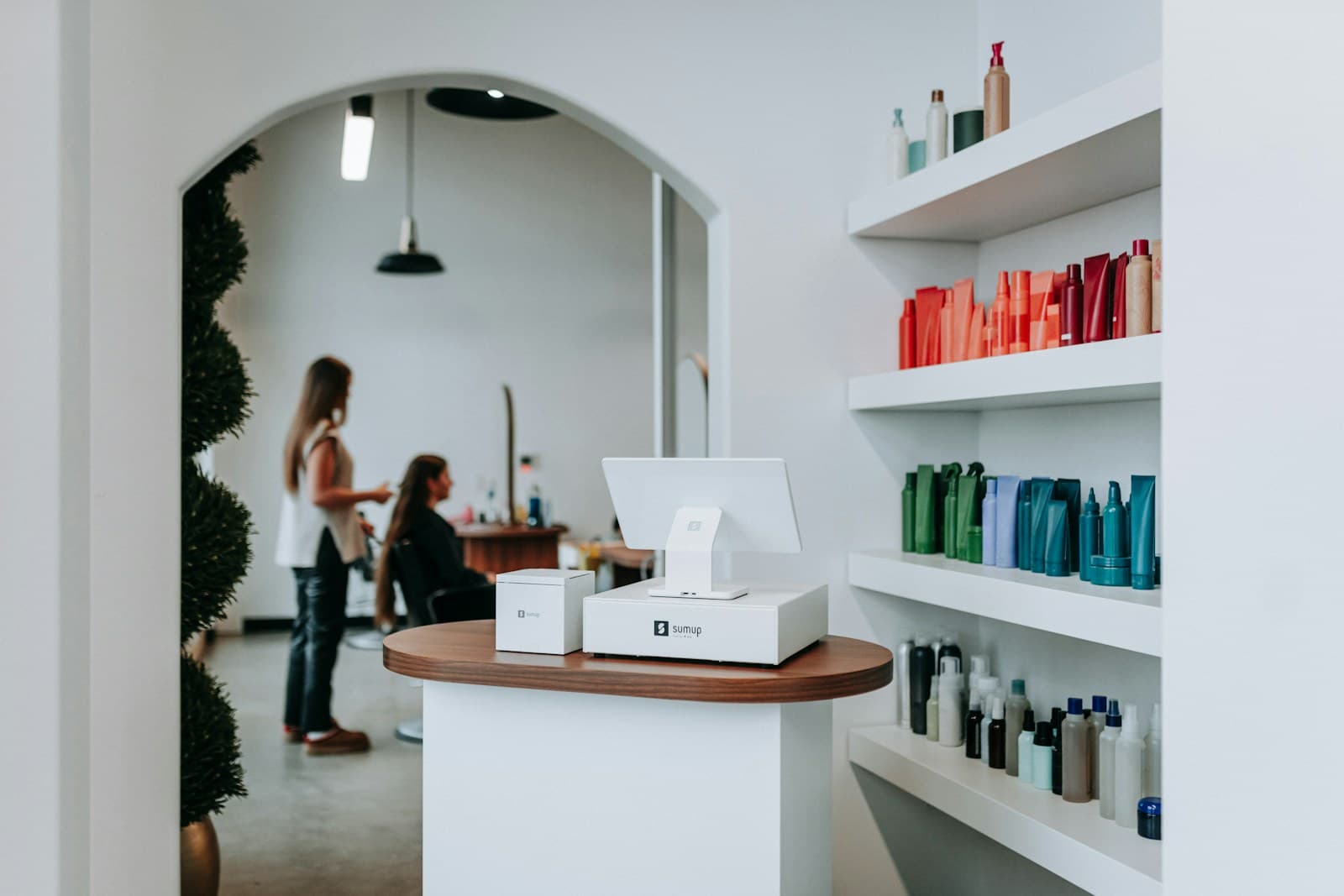
Six-figure beauty studios are rarely the largest studios in their market. They are the most deliberate ones. The benchmark that separates them from the rest is revenue per treatment room per month — a single number that forces clarity on pricing, utilization, and service mix before you rent the second room.
What Is the Right Revenue Target Per Treatment Room?
A healthy treatment room targets $10,000–$14,000 per month. Anything below $7,500 signals a utilization, pricing, or service mix problem worth diagnosing before expansion.
The math: if a room runs 6 appointments per day, 22 working days per month, at an average ticket of $90, the ceiling is $11,880/month at full utilization. Real studios hit 65–75% of that ceiling due to gaps, late cancels, and downtime. That puts a well-run single room at $7,700–$8,900/month in services alone, before retail.
The most common mistake: opening a second room before the first room hits 70% utilization. Adding capacity before you've earned the demand creates costs without creating revenue.
How Do You Price Beauty Services Without Underpricing Your Expertise?
Price based on market rate plus your positioning — never on your hourly cost alone.
Most beauty studio owners calculate their service price by adding up product cost, labor time, and a margin, then compare the result to competitors and discount to "compete." That approach builds a ceiling into your pricing from the start.
The better method: identify where you sit in your local market (budget, mid-market, premium) and price accordingly. Then verify your costs fit inside that price. If they don't, find a way to reduce costs or move your positioning — don't let cost set your ceiling.
The gap between budget and premium is not primarily product cost — it's positioning, environment, and trust. Premium studios rarely compete on price because they've built a brand that removes price from the conversation. That takes 12–24 months of consistent service and client communication to establish.
What's the Package Pricing Framework That Drives Retention?
The 3-5-10 Beauty Package Framework: sell treatment series in three sizes — a 3-session intro series at a 10% discount, a 5-session mid-commitment series at 15% off, and a 10-session series at 20% off.
This ladder serves different client psychology. New clients feel comfortable at 3 sessions. Regulars who trust you move to 5. Loyal clients who've committed to a skin goal buy 10. Each tier increases average client value and forces a rebooking structure.
Price the intro series (3 sessions) at a number that creates a decision. If your single-visit facial is $100, a 3-session intro at $270 (10% off) is easy math. A 3-session series at $210 is aggressive but can work as a new client acquisition tool. The key is what happens at the end: your conversion rate from intro series to ongoing package determines whether the discount was worth it.
For a full breakdown, see beauty studio package pricing.
How Do Memberships Work in Beauty Studios?
Monthly memberships — typically one or two services per month at a flat rate — are the most reliable path to predictable beauty studio revenue.
A skin membership at $89/month that includes one express facial generates $1,068 per client per year in locked revenue. The client visits more often than a non-member, spends more on retail (members spend 2.1x more on retail than single-visit clients, Zatrovo benchmark 2026), and churns at half the rate.
Membership churn is the metric to watch. A well-run beauty membership program targets under 4% monthly churn. Above 6% signals either a service quality issue, a value mismatch in the pricing, or insufficient re-engagement when members go dormant.
For more detail on membership pricing, read beauty studio membership pricing.
What Does the Commission vs Room Rental Decision Actually Look Like?
Commission structures align incentives but cap your margin. Room rental creates a revenue floor but requires technicians to be already busy.
Here is the practical math for a studio with 2 technicians:
The commission model feels generous and is easy to recruit for. The room rental model is better for the studio's cash flow once the technician is established and busy. Most studio owners start with commission and shift toward rental or hybrid models at the 18-month mark when utilization is high enough to make the math work.
How Do You Fill a Beauty Studio Calendar Without Heavy Ad Spend?
Referral programs, rebooking prompts, and Google Business profile optimization generate most first-time bookings for beauty studios without paid acquisition cost.
The three highest-ROI acquisition channels for beauty studios:
Client referrals. A referral card system — give each client two cards, offer $15 off for both the referrer and new client — typically generates 15–25% of new client volume at established studios. Automate this with software that sends referral links post-appointment.
Google Business Profile. Beauty studios are local businesses. A fully filled GBP with weekly photo updates, 30+ reviews, and accurate service descriptions captures high-intent local search without paying for ads. Studios that manage their GBP actively see 40–60% of new client inquiries from Google, according to Google Business profile data published by Search Engine Journal.
Rebooking at checkout. Clients who rebook before leaving the studio retain at 3x the rate of clients who leave without a future appointment. Train every technician to suggest the next appointment date during the service, before checkout. The conversion rate drops by half once the client is at the door.
For a deeper look at acquisition channels, see the studio client acquisition playbook.
What Retail Strategy Actually Works?
Embed the recommendation in the service, not the checkout counter.
Studios that see strong retail numbers don't have better products — they have a process that happens during the treatment. A technician who says "I'm using this serum on you right now, and given your goal with texture, I'd use it twice a week at home" creates a buying moment that a counter display cannot replicate.
The four-step retail process that converts:
- Name the product being used during the service
- Connect it to the client's specific skin goal
- Tell them exactly how to use it
- Offer to add it to their checkout — don't ask "are you interested?"
Studios that train this process consistently see 18–25% of appointments result in a retail purchase. Studios without a process see 4–8%.
How Do You Handle Slow Periods Without Discounting?
Protect full-price positioning and fill slow slots with value-adds rather than discounts.
Discounting to fill Tuesday afternoons trains clients to wait for deals. Within six months, your slow periods are full of discount clients and your peak times are still your peak times — you've just eroded margin everywhere.
The alternatives that work without discounting:
Add-on bundles. Offer a "Tuesday enhancement" — a 15-minute add-on (scalp massage, eye treatment, hand mask) added to any Tuesday appointment at a flat rate that still covers full margin on the extra time. It fills the slot and increases ticket without signaling that base prices are negotiable.
Loyalty credits. Give loyalty points for off-peak bookings. A client who earns double points on Tuesday visits at 2pm is motivated by reward, not by a discount on the service itself.
Waitlist management. Before reaching for a promotional lever, verify you're actually capturing demand. A strong waitlist-to-booking conversion process — automated SMS when a slot opens — can fill cancellations without any discount.
For software that handles waitlists automatically, see beauty booking software.
What Technology Does a Beauty Studio Actually Need?
Booking, payment, intake forms, and client communication — in that order of priority.
The essential stack:
- Appointment booking with client self-service, real-time availability, and mobile optimization
- Deposit enforcement to reduce no-shows (beauty studios without deposits report 18–24% no-show rates; with deposits, under 8%)
- Intake forms for skin history, allergy disclosure, and photo consent — sent automatically with booking confirmation
- Automated reminders — 48-hour SMS and day-of message reduce no-shows by 25–35% independently
- Package and membership tracking — credit deduction per visit, expiry enforcement, renewal reminders
Platforms active in the beauty market include Vagaro, Boulevard, GlossGenius, and Fresha. Each covers appointment booking adequately. Where they differ is in membership depth, reporting granularity, and per-technician commission tracking.
How Do You Evaluate Beauty Studio Performance Month to Month?
Four numbers. Pull them monthly, act on the ones that move.
Revenue per treatment room. Target $10,000+/month per room. If a room is consistently under $7,500, investigate whether it's a scheduling problem, a technician performance problem, or a pricing problem.
Package conversion rate. What share of single-visit clients convert to a package within 60 days? Target 25–35%. Below 20% indicates a sales process gap or a pricing gap.
Membership churn. Members lost in the month divided by members at the start. Target under 4% monthly. Above 6%, investigate with exit surveys.
Retail attach rate. Retail revenue divided by total service appointments. A 15%+ rate means the recommendation process is working. Under 8% means it's not happening consistently.
What Do Top-Performing Beauty Studios Do Differently?
The studios that consistently hit six figures share four practices:
They priced at or above mid-market from opening and built their positioning to justify it — environment, service quality, communication.
They introduced packages within the first 90 days and tracked conversion rates from the start. They didn't wait until they "had enough clients" to build a retention model.
They set a no-show policy and enforced it with deposits from day one. Changing this after two years of tolerance requires re-training every client relationship.
They measured the four key metrics monthly and made operational changes when numbers deviated. Data doesn't act on itself — but operators who look at it monthly catch problems 6–8 weeks before they compound.
According to IBIS World's beauty industry research, the US beauty salon sector supports over 300,000 businesses, with solo and small-studio formats making up the majority. The operators at the top of the earnings distribution are distinguished not by size but by process discipline and pricing confidence.
Run your studio on Zatrovo
Run appointment booking, packages, memberships, and payments for your beauty studio on one platform.

We write playbooks for studio operators — based on data from thousands of studios running on Zatrovo across pilates, yoga, lash, nail, massage, salon, dance, and fitness.
Related reading
Beauty Studio Software Hub: Intake Forms, Consent Management, and Retail POS for Estheticians
Every beauty studio software guide in one place — digital intake forms, treatment note history, consent management, and the platforms built for esthetics businesses.
Beauty Studio Front Desk Training: Skin Consultation Questions That Build Trust Before the Treatment
Scripts for front desk consultations that gather skin concerns, set treatment expectations, and create the trust that precedes rebooking.
Beauty Studio Operations Manual: Treatment Protocols and Sanitation SOPs That Protect You Legally
SOPs for a beauty studio — sanitation standards, treatment contraindication protocols, and client consent — that protect against complaints and compliance issues.