Beauty Studio Operations Manual: Treatment Protocols and Sanitation SOPs That Protect You Legally
SOPs for a beauty studio — sanitation standards, treatment contraindication protocols, and client consent — that protect against complaints and compliance issues.
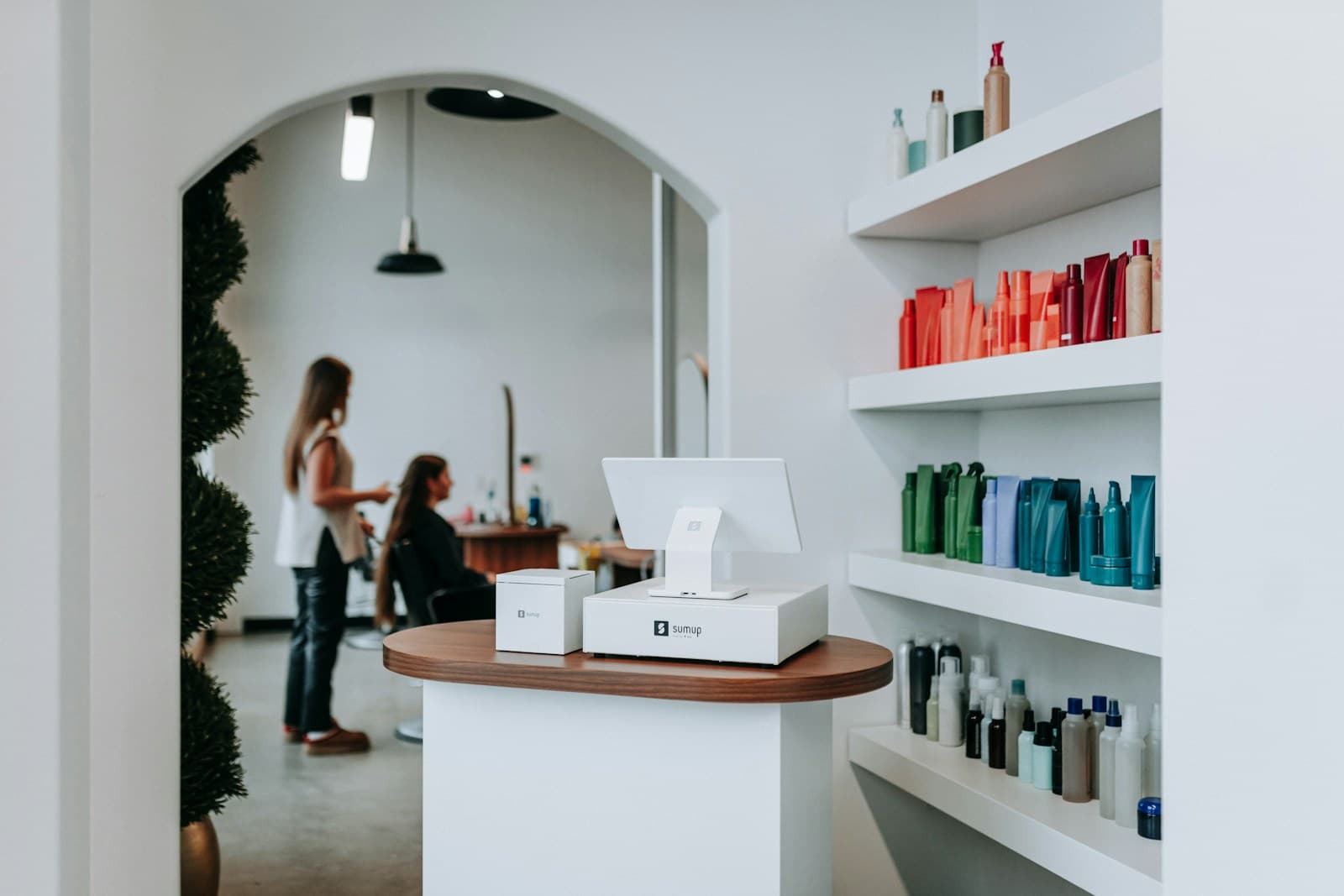
Beauty studios face a compliance standard most service businesses don't: state cosmetology board regulations that govern sanitation, product use, and practitioner credentials — and the liability that follows if something goes wrong. Sanitation and contraindication SOPs written before an incident are accepted as professional standards. Written after, they look reactive and attract regulatory scrutiny.
Why Does a Beauty Studio Need a Written Operations Manual?
A beauty studio's operations manual is both a training document and a legal protection. When a client has an adverse reaction, the first question from your state board or their attorney is whether you had a written protocol — and whether you followed it.
Most beauty studios run on individual therapist knowledge. A senior esthetician knows which clients have sensitive skin, which products to avoid, and how to handle a reaction. When that therapist is absent or a new hire takes a client, the knowledge gap creates risk.
What Should the Sanitation SOP Cover?
Sanitation in a beauty studio is regulated by your state cosmetology board. The SOP must reflect both best practices and your state's specific requirements.
Universal standards (all US states):
- Single-use disposables for any item that contacts client skin and cannot be sterilized (wax sticks, lancets, eye pads, sponges)
- Implements that contact client skin (tweezers, metal tools, lancets) must be sterilized between clients — autoclave or EPA-registered hospital-level disinfectant, depending on whether the implement breaks skin
- Treatment surfaces (beds, chairs) must be disinfected between each client with an EPA-registered disinfectant
- Practitioners must wash hands between every client — documentation that hand hygiene products are available and used
Treatment-specific standards:
Waxing: No double-dipping of wax sticks. Single-use applicators for all wax applications. Wax pot temperature checked and logged. If wax burns a client, the incident must be documented regardless of severity.
Facials and extractions: Closed comedone extraction tools autoclave-sterilized between clients. Any tool that enters a follicle is a sharps-level sanitation item.
Eye services (lash lift, lash tint): Any product near the eye line requires documented patch testing protocol. Eye rinse station available in the treatment room.
How Do You Build a Contraindication Screening Protocol?
Contraindication screening is the most operationally impactful safety system in a beauty studio. It identifies clients who should not receive a specific treatment before they're in the treatment room — not after the treatment has started.
The screening protocol has three components:
1. Digital intake form: Completed by the client before their appointment, ideally when they book. Questions cover relevant medical history, current medications, recent treatments, and known allergies. Design the form to be treatment-specific — a client booking a facial should see facial contraindication questions, not lash extension questions.
2. Contraindication matrix: A reference document (internal, not client-facing) that maps each contraindication against each treatment type. Example: "Active acne or rash — facial with extractions contraindicated, gentler facial may be offered." "Accutane use — all exfoliation and waxing contraindicated."
3. Therapist review at check-in: The therapist reviews the intake form answers before entering the treatment room, checks against the contraindication matrix, and makes any protocol adjustments or, if necessary, declines the service with a rebook offer.
What Consent Language Protects You?
Consent forms for beauty treatments should be specific, not generic. A consent form that says "I understand the treatment involves skincare products" is nearly useless. A consent form that names specific products, lists their key ingredients, describes the treatment mechanism, and acknowledges specific risks provides real protection.
Required elements:
- Treatment name and description
- Products to be used (by name, not just category)
- Expected effects and their duration
- Common side effects specific to this treatment (redness after facial, sensitivity after lash tint)
- Client-disclosed contraindications and any modifications being made
- Statement that the treatment is not guaranteed to produce specific results
- Client signature and date
Consent forms should be re-collected for any new treatment type — a consent form for a facial does not cover a dermaplaning service.
How Should You Handle a Reaction or Complaint?
The incident response protocol covers the in-session and post-session phases.
In-session reaction:
- Stop the service immediately
- Remove the product with a gentle, pH-neutral cleanser
- Apply cool, damp compress if redness or heat is present
- Do not apply any additional product without the client's explicit consent
- Document the reaction: products used, timing of onset, client-reported symptoms
- If swelling involves the eye area or lips: call 911, do not wait to see if it resolves
Post-session follow-up:
- Call the client within 24 hours
- Document the follow-up conversation
- If the reaction required medical attention, file an incident report and notify your insurance provider
- Review the intake form against the contraindication matrix to identify any missed flag
For connection to booking and client management, see the beauty studio booking software guide and the beauty studio numbers guide.
What Should a Product Allergy Protocol Include?
Product allergy management is a two-stage process: pre-screening and in-session response.
Pre-screening: Patch testing is the gold standard for chemical services with a history of adverse reactions. A patch test involves applying a small amount of the product to the inner arm or behind the ear 24–48 hours before the service. If a reaction occurs, the service is rescheduled with an alternative product.
Not all services require patch testing — but high-risk chemical services (lash tint, lash lift, color services) should have a documented patch test requirement for new clients and for clients returning after a gap of more than 6 months.
In-session response: Any allergic response (itching, burning beyond expected heat, visible hive or welt) is a stop-immediately situation. The incident documentation protocol applies to all allergic responses regardless of severity.
External sources:
- National-Interstate Council of State Boards of Cosmetology (NIC) — state board standards and regulatory framework
- Associated Skin Care Professionals — esthetician sanitation and protocol guidance
Run your studio on Zatrovo
Manage client intake forms, consent capture, and appointment scheduling for beauty studios on one platform.

We write playbooks for studio operators — based on data from thousands of studios running on Zatrovo across pilates, yoga, lash, nail, massage, salon, dance, and fitness.
Related reading
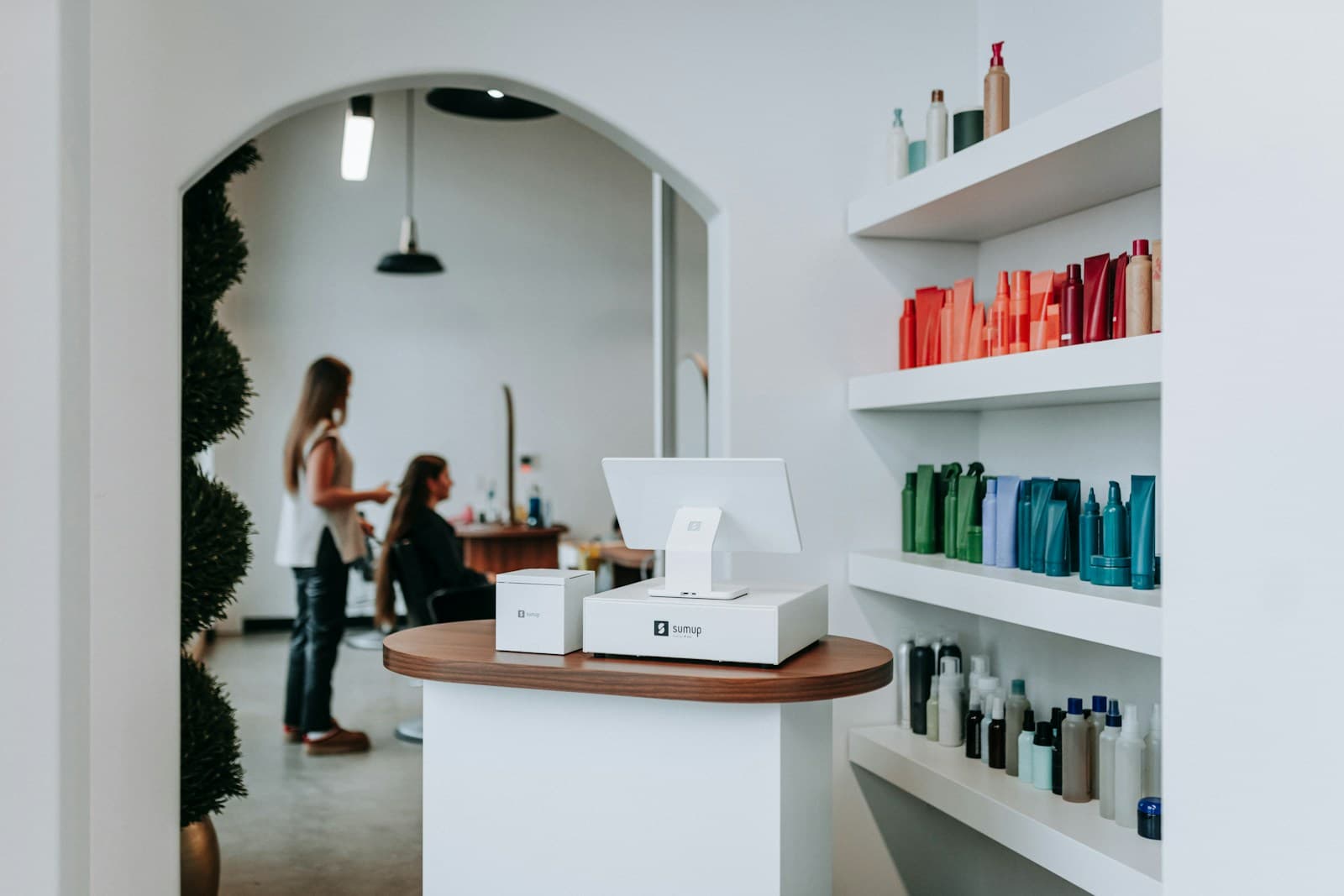
Beauty Studio Software Hub: Intake Forms, Consent Management, and Retail POS for Estheticians
Every beauty studio software guide in one place — digital intake forms, treatment note history, consent management, and the platforms built for esthetics businesses.
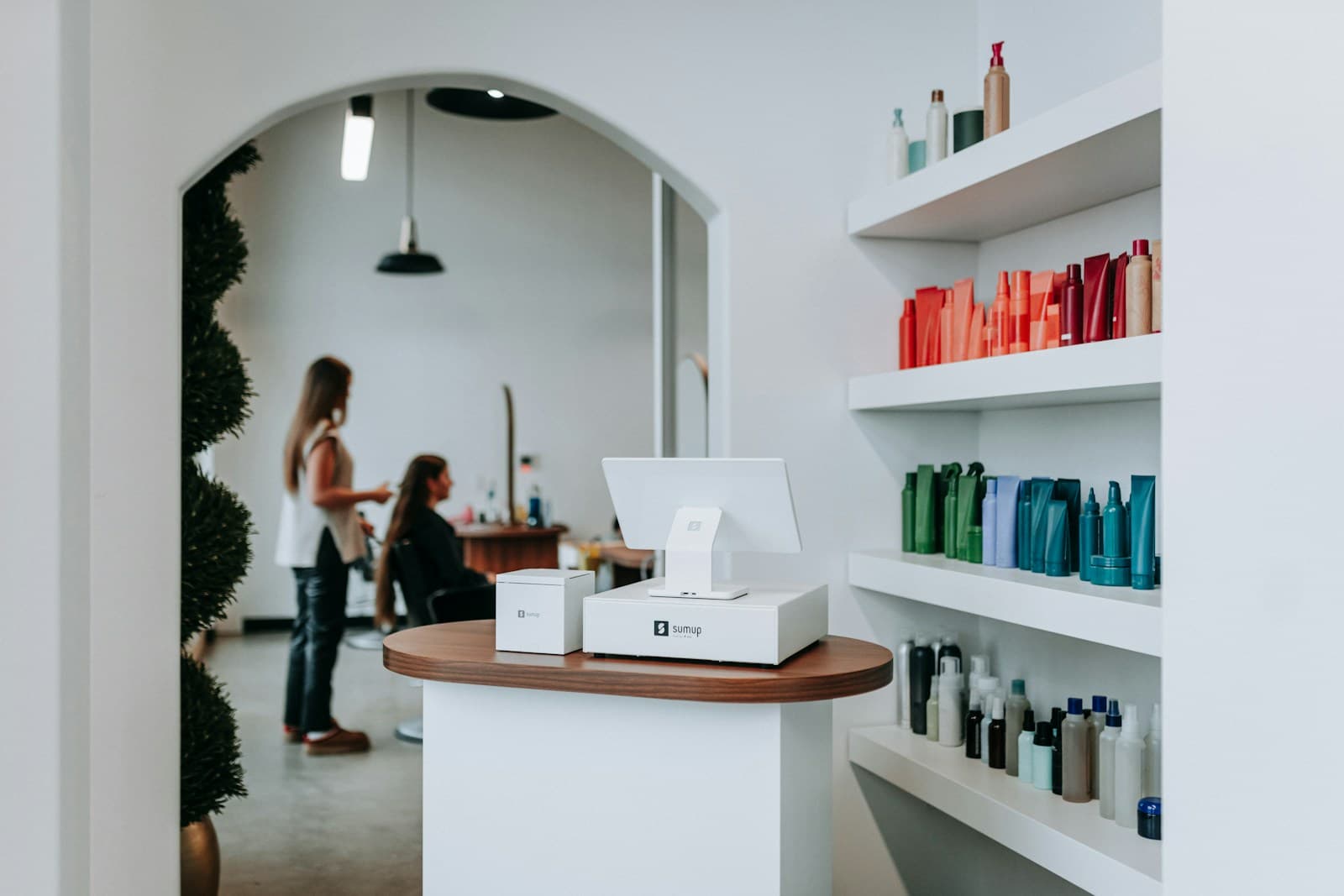
Beauty Studio Front Desk Training: Skin Consultation Questions That Build Trust Before the Treatment
Scripts for front desk consultations that gather skin concerns, set treatment expectations, and create the trust that precedes rebooking.
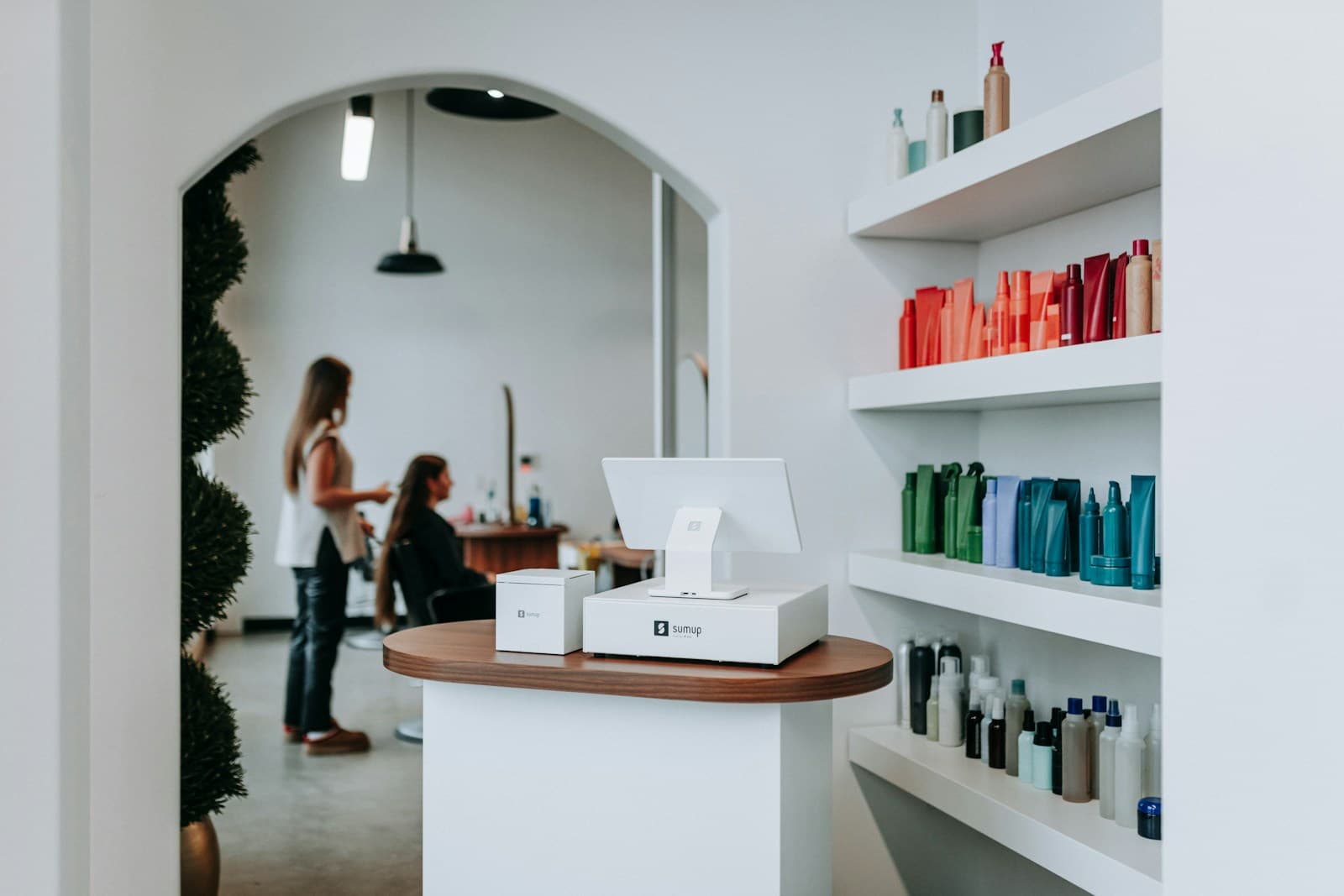
Beauty Studio Scheduling: Treatment Buffer Times That Stop Your Day From Running Late
Buffer time logic for beauty treatments — by treatment type, skin condition, and therapist — that prevents the cascading late start that erodes client satisfaction.