Beauty Studio Booking Software: Intake Forms, Consent Capture, and Retail Tracking in One Place
The booking features specific to beauty studios — digital intake forms, treatment contraindication flags, and retail purchase tracking.
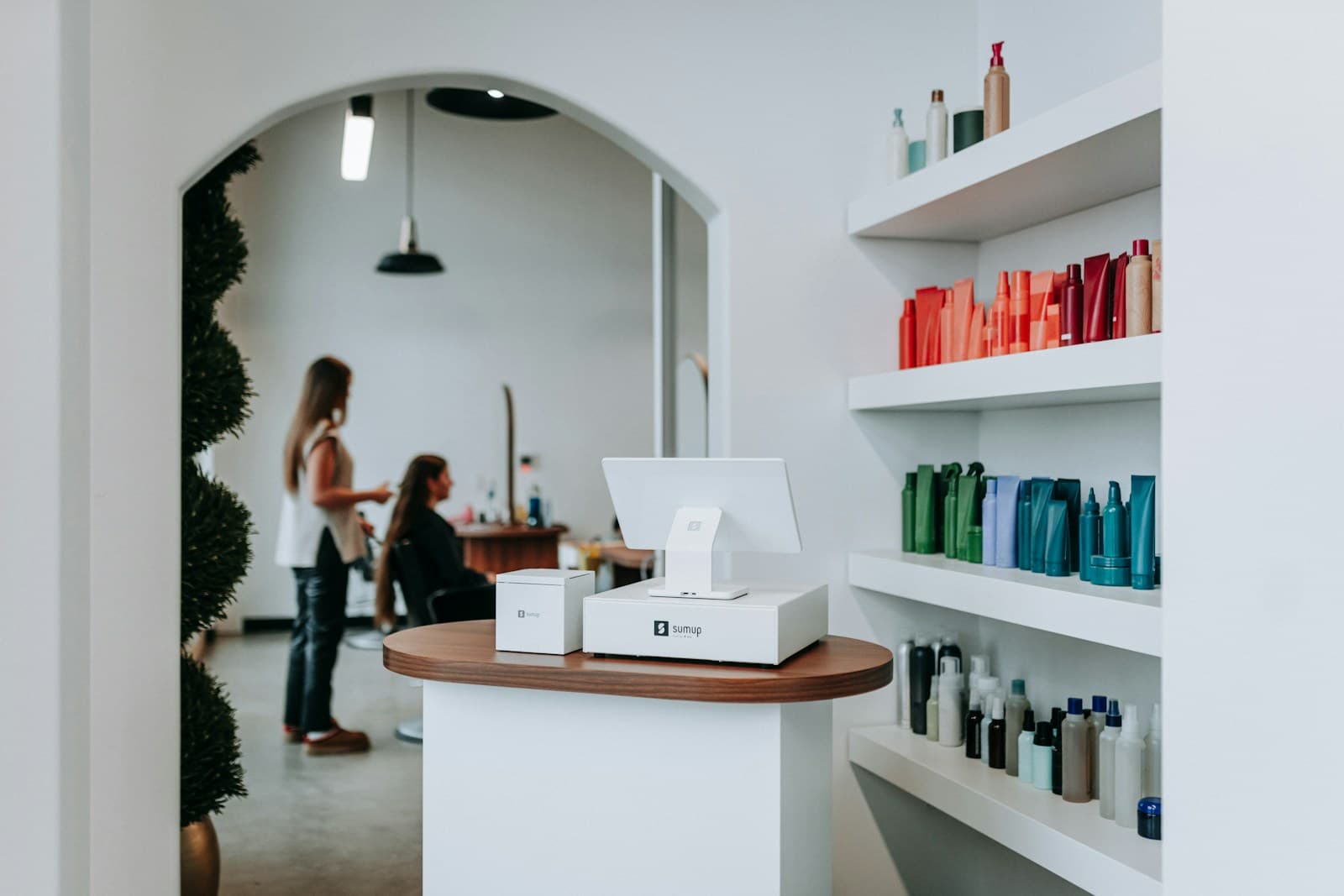
Digital intake with contraindication flags prevents the treatment room discovery moment — when a therapist learns about an active skin condition or medication conflict after the client is on the table, delaying the appointment and creating liability. Generic booking software skips this entirely. Beauty studio-specific software builds it into the booking confirmation flow.
What Makes Beauty Studio Booking Different from Generic Appointment Software?
Beauty studios have client health considerations that appointment booking for a massage therapist or personal trainer doesn't have: chemical sensitivities, contraindicated medications, skin conditions that affect treatment protocols, and consent requirements for chemical services.
Generic appointment booking captures: client name, service selection, date and time, payment. Beauty studio booking needs to capture all of that plus intake health information, treatment-specific consent, and the record of what was done to the client and with which products.
Feature 1: Treatment-Specific Digital Intake Forms
Generic intake forms — "Do you have any medical conditions we should know about?" — miss the questions that matter for specific treatments.
A facial intake should ask: current skincare routine, known skin conditions (rosacea, eczema, active acne), recent professional treatments (chemical peel, laser, microneedling — all contraindicate certain facial techniques), current medications (retinoids, Accutane, blood thinners all affect treatment protocols), and specific product allergies.
A lash extension intake should ask: previous lash extension history, eye conditions or infections, known adhesive or formaldehyde sensitivity, current eye medications, and contact lens use.
A waxing intake should ask: retinoid use (oral or topical — contraindicated for waxing), recent chemical treatments, blood thinner use, and diabetes (affects skin fragility and healing).
The intake form should be sent to the client immediately after booking — not at the appointment. A client who completes intake at home has time to check medications and allergies. A client who fills out a paper form in the waiting room rushes through it.
Feature 2: Contraindication Flag Automation
Contraindication flagging is the bridge between client intake responses and therapist decision-making. Without automation, the therapist reads the intake form and applies their individual knowledge of contraindications. With automation, the system highlights conflicts before the therapist even sees the form.
How it works: the studio configures a contraindication matrix — which intake form responses conflict with which services. When a client submits an intake form that includes a flagged response, the appointment is marked with a review flag on the dashboard.
The therapist sees the flag before the client arrives, can review the specific conflict, and has time to adjust the treatment protocol or contact the client to reschedule. No discovery moment in the treatment room.
Feature 3: Treatment Note History
Treatment notes are the per-appointment record of what was done, what products were used, and any observations about the client's skin or response.
Why treatment notes matter:
- Client continuity: A client who sees different therapists gets consistent service if each therapist can see what the previous one did
- Product tracking: If a client had a reaction, you need to know exactly which products were used in that appointment
- Upsell context: A therapist reviewing a client's history can see which services they've tried and make appropriate recommendations
- Legal documentation: In a complaint, treatment notes demonstrate that the service was performed professionally and that relevant conditions were noted
Treatment notes should be tied to the booking record, not stored in a separate notes field. A note that says "client preferred lighter pressure, avoid neck area" on the client contact record is useful. A note that says the same thing on the specific appointment is searchable in the context of any complaint.
Feature 4: Consent Form Management
Consent forms in a beauty studio need to be: treatment-specific, digitally signed with a timestamp, stored against the client profile, and flagged for renewal when expired.
The management workflow:
- Client books a service
- A consent form for that service type is sent to the client (same trigger as the intake form)
- Client signs digitally — electronic signature with timestamp and IP record
- Consent is stored on the client profile, linked to the service type
- When the client books the same service again, the system checks consent form date — if over 12 months old, a renewal is sent automatically
Consent forms stored outside the booking system — in a folder, in a Google Drive, in a PDF archive — are effectively inaccessible in the moment you need them: during an adverse reaction, in a complaint response, or in a state board audit.
Feature 5: Retail Purchase Tracking
Retail product sales are a high-margin revenue line for beauty studios. A professional product recommended by the therapist immediately post-treatment converts at 35–50% when the client is still in the studio (Zatrovo benchmark, 2026). That conversion rate drops to under 10% if you follow up later via email.
Retail tracking integrated with the booking system:
- Each product sale is linked to the client's appointment
- Therapist can see the client's purchase history before their next visit ("She bought the vitamin C serum 3 months ago — good time to recommend a refill")
- Product attachment rate by therapist is a reportable metric — useful for staff incentive programs
- Inventory is decremented as products are sold (if your platform supports inventory management)
The key requirement: the product sale should be recorded in the same system as the service appointment. A separate retail POS that doesn't connect to the booking system produces disconnected data.
For the full operations framework, see the beauty studio operations manual and the beauty studio numbers guide.
How Do the Major Beauty Studio Platforms Compare?
Vagaro — strong on beauty studio workflows. Digital intake forms, consent capture, treatment notes, and retail POS integration are native features. Well-adopted in the esthetician and salon market.
Mindbody — class and appointment scheduling. Intake forms are configurable. Less specialized for beauty-specific contraindication workflows. Retail integration available.
Square Appointments — appointment booking with integrated POS. Retail tracking is strong (Square POS is retail-native). Intake forms and consent management are limited compared to beauty-specific platforms.
Acuity Scheduling — intake form builder is best-in-class for appointments. No treatment note history or retail tracking. Good for solo estheticians with simple appointment-only workflows.
Zatrovo — appointment and class scheduling, custom intake fields, membership management, and retail product add-ons purchasable at booking. Treatment note history and contraindication flag automation are not dedicated native workflows — intake forms feed manually reviewed client notes. Good fit for studios that want combined service/class scheduling with retail add-ons.
External sources:
- Vagaro beauty platform — beauty-specific platform reference
- Associated Skin Care Professionals software guide — platform recommendations for estheticians
Run your studio on Zatrovo
Appointment scheduling, digital intake, and retail tracking for beauty studios on one platform.

We write playbooks for studio operators — based on data from thousands of studios running on Zatrovo across pilates, yoga, lash, nail, massage, salon, dance, and fitness.
Related reading
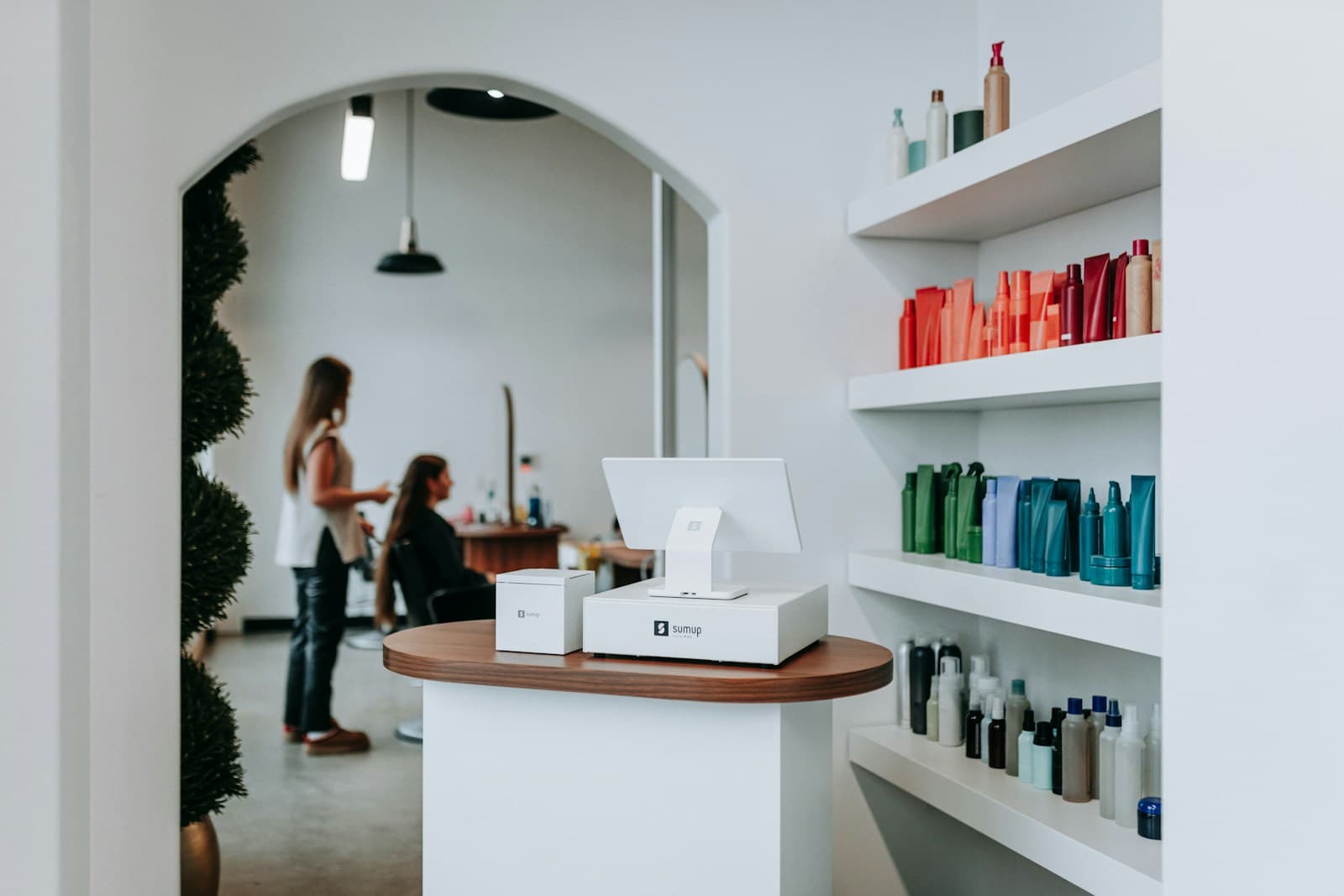
Switching Beauty Studio Software Without Losing Client Treatment History
A migration plan that preserves client treatment notes, intake forms, and recurring membership billing during a beauty studio software switch.
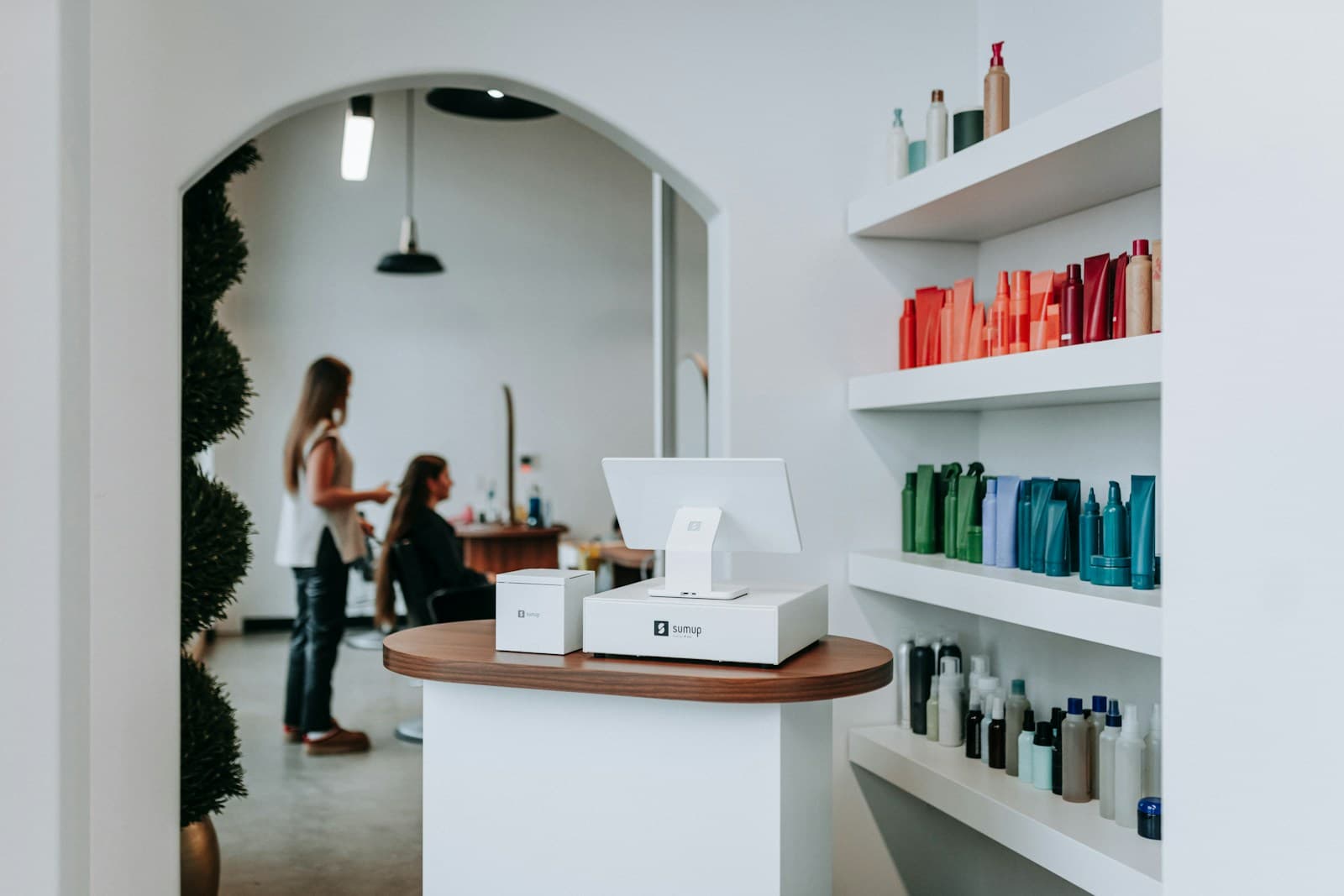
Beauty Studio Software Hub: Intake Forms, Consent Management, and Retail POS for Estheticians
Every beauty studio software guide in one place — digital intake forms, treatment note history, consent management, and the platforms built for esthetics businesses.

Massage Booking Software: The 9 Features Clinics Actually Use
The features massage clinics use daily — and the ones marketed but ignored.