Switching Beauty Studio Software Without Losing Client Treatment History
A migration plan that preserves client treatment notes, intake forms, and recurring membership billing during a beauty studio software switch.
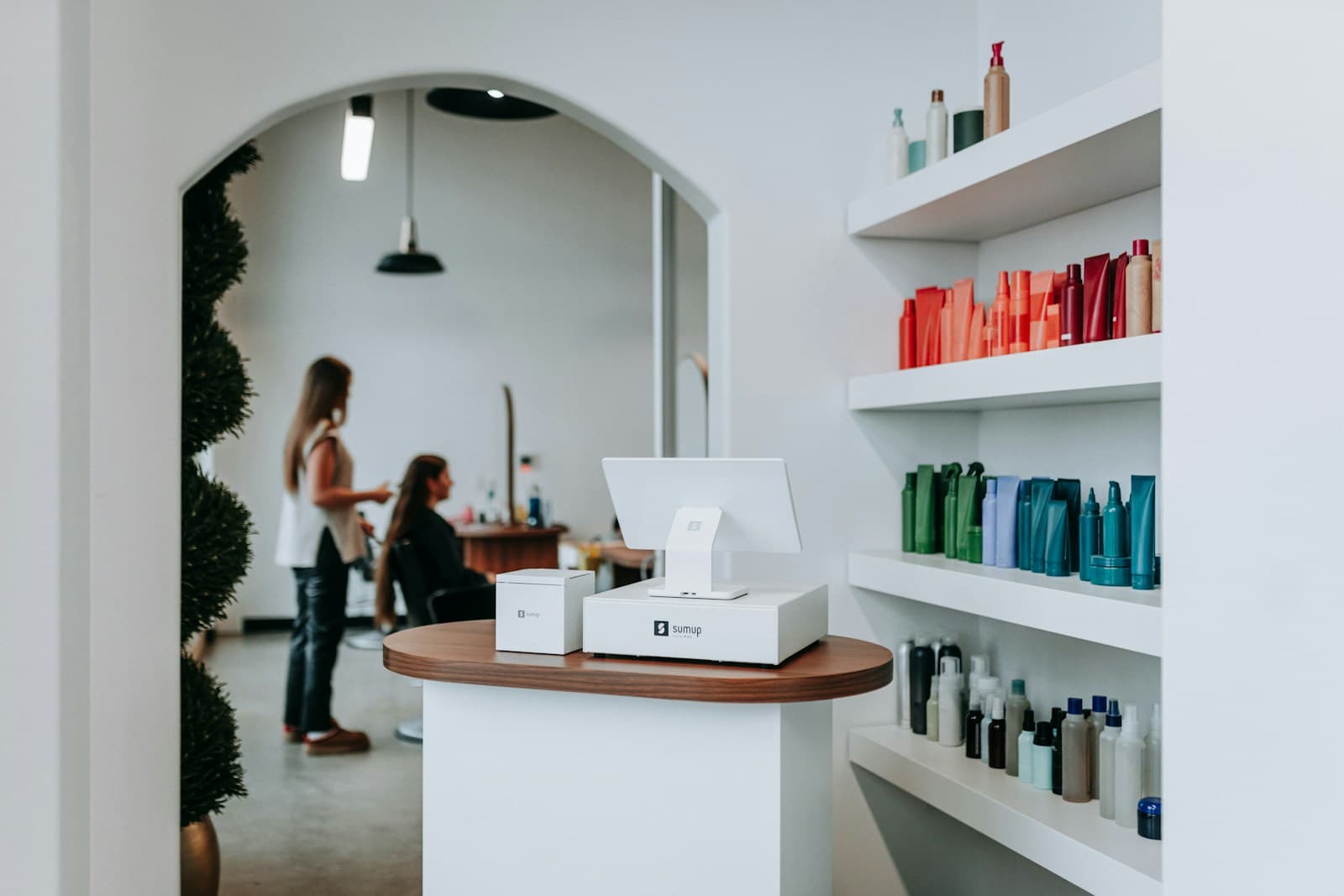
Client treatment history — skin type, sensitivities, previous reactions, contraindications — is the highest-value data in a beauty studio and the most frequently lost during software migrations. A migration that preserves it requires exporting treatment notes before canceling the old platform, flagging contraindications manually in the new system, and verifying that at least 20% of client profiles display correctly before going live.
Why Is Treatment History the Critical Data in Beauty Studio Migration?
Treatment history is a clinical and legal record, not just a CRM convenience. A client with a documented sensitivity to salicylic acid who arrives for a treatment at a studio that has lost their records is a liability risk. A client who's had three consecutive treatments with documented skin improvements loses that progress narrative when history disappears.
For estheticians building long-term client relationships, treatment history is the foundation of personalized service. A senior esthetician who can reference 18 months of treatment notes during a consultation is delivering a genuinely different service than one working from memory.
What Data Must You Export Before Migrating a Beauty Studio?
Eight categories for beauty and esthetic studios:
Client records. Name, contact info, date of birth (required for some treatments), and enrollment date.
Treatment history. Full service history with dates, treatment types, products used, and therapist notes. This is the most critical export.
Intake forms. Completed intake forms, health questionnaires, and consent documents. Export as PDF for archival.
Contraindication flags. Any documented sensitivities, allergies, or medical conditions that affect treatment eligibility. Export separately and cross-reference against your treatment history.
Transaction history. All payments, package purchases, and membership charges for at least 24 months.
Package and credit balances. Remaining treatment credits for every active client.
Recurring billing records. Every active membership or retainer, charge amount, and billing date.
Before/after photography records. If your platform stores treatment progress photos, understand how they export and where they'll live in the new system.
What Is the Migration Sequence for a Beauty Studio?
The Beauty Studio Migration Protocol:
Stage 1: Data export. Export all eight categories. Confirm treatment history is in your export. If it's not, request a custom extract from your current platform's support before proceeding.
Stage 2: Contraindication flag review. Before touching the new platform, manually identify every client with a documented contraindication from your exported treatment history. This list gets priority handling in Step 4.
Stage 3: New platform configuration. Build your treatment types, therapist schedules, buffer times, and membership products in the new platform.
Stage 4: Client import and contraindication flagging. Import client records. Manually add contraindication flags for the high-priority list from Stage 2. Verify treatment history import for 20% of client profiles.
Stage 5: Intake form setup. Configure intake forms in the new platform. Plan to have clients re-complete intake forms at their first appointment in the new system.
Stage 6: Communication and billing cutover. Send migration messages, configure recurring billing, run a parallel billing cycle, and cut over.
How Do You Handle Intake Forms in the Migration?
Intake form data is structurally difficult to migrate between platforms because form fields rarely map cleanly between systems.
The pragmatic approach for most studios: export completed intake forms as PDFs, archive them in a cloud folder organized by client name, and have every returning client complete a new intake form at their first appointment in the new platform.
This sounds like a step backward, but it's actually an opportunity to update client health information. A client who filled out an intake form 18 months ago may have new medications, new conditions, or changed skin concerns. A fresh intake at the first post-migration appointment is both a compliance refresh and a conversation starter.
How Do You Communicate the Switch to Beauty Clients?
Beauty clients are appointment-driven with established routines. They book specific therapists, often months in advance. A software migration that changes their booking experience needs careful communication.
The messaging should emphasize that their service history, their therapist relationships, and their booked appointments are protected. Be specific: "Your upcoming appointments are fully confirmed. Your treatment history has transferred. Your payment information will need to be re-entered — here's how."
For clients with appointments already booked in the old system, confirm those appointments individually in the new system and send a personal confirmation from the new platform. Don't rely on clients to notice that their existing appointments are visible in the new system without prompting.
For the broader studio numbers framework, see the beauty studio numbers guide. For software features specific to beauty and esthetic practices, see the beauty studio booking software guide. For scheduling structure that this migration preserves, see the beauty studio scheduling guide.
Run your studio on Zatrovo
Zatrovo's onboarding team imports client history, sets up intake forms, and configures treatment buffers — ready in days.

We write playbooks for studio operators — based on data from thousands of studios running on Zatrovo across pilates, yoga, lash, nail, massage, salon, dance, and fitness.
Related reading
Beauty Studio Booking Software: Intake Forms, Consent Capture, and Retail Tracking in One Place
The booking features specific to beauty studios — digital intake forms, treatment contraindication flags, and retail purchase tracking.
Beauty Studio Software Hub: Intake Forms, Consent Management, and Retail POS for Estheticians
Every beauty studio software guide in one place — digital intake forms, treatment note history, consent management, and the platforms built for esthetics businesses.
Beauty Studio Business Plan: Revenue Model for 1-Room and 3-Room Studios
A business plan framework for single-room and three-room beauty studios — with treatment revenue, retail margin, and break-even timeline.