Beauty Studio Business Plan: Revenue Model for 1-Room and 3-Room Studios
A business plan framework for single-room and three-room beauty studios — with treatment revenue, retail margin, and break-even timeline.
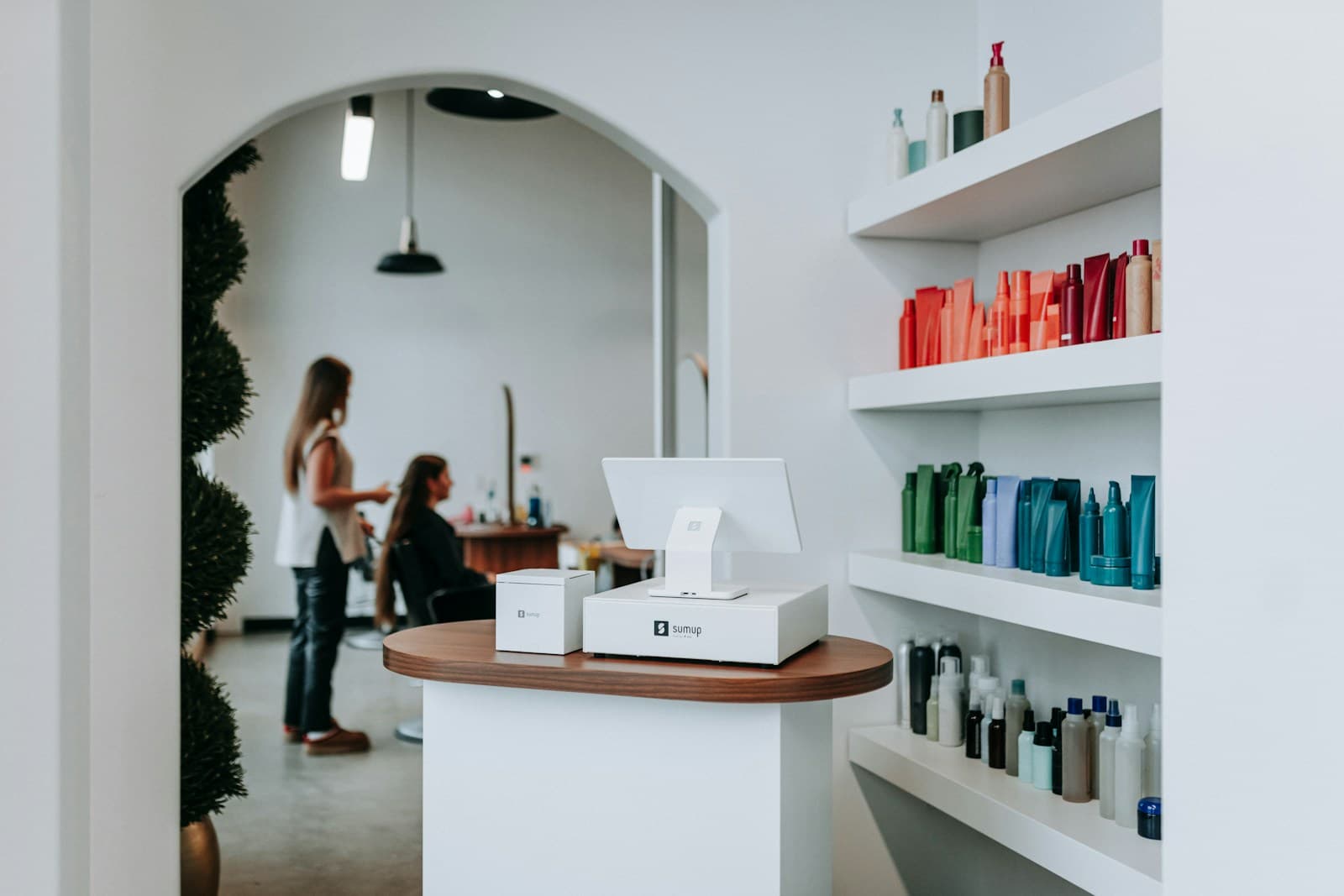
Beauty studios that plan for 15–20% retail revenue hit break-even 25% faster than studios that treat retail as optional. The revenue is not passive — it requires active prescription and display — but it is high-margin and directly tied to treatment outcomes. This model covers 1-room and 3-room studios with retail broken out and realistic break-even timelines.
Why Retail Revenue Changes the Break-Even Math
Most beauty studio business plans model service revenue and ignore retail entirely, then encounter it as a pleasant surprise rather than a planned contribution.
A single-room studio treating 25 clients per week at $120 average generates $3,000/week in service revenue — $12,000/month. If that esthetician prescribes at-home products as part of every protocol and achieves 20% retail attachment (one retail transaction per five clients), weekly retail revenue adds $480/week, or $1,920/month.
Annual retail contribution: $23,040. At 40–50% margin, that is $9,200–$11,500 in gross profit from retail alone — enough to cover two months of a single-room studio's fixed costs.
The studio that included this in its business plan knew it needed fewer clients to reach break-even and reached profitability faster. The studio that ignored it hit break-even two to three months later and attributed the surprise positively to "good retail performance," when it was actually predictable all along.
What Does a Single-Room Studio Look Like Financially?
A single-room studio is the entry-point format — one treatment room, typically owner-operated or with one additional therapist.
Physical setup: 200–400 sqft dedicated treatment room plus reception area, 1,000–1,800 sqft total. Monthly rent: $1,800–$4,500 in most markets.
Revenue model by utilization:
At month six, the single-room studio generates $12,770/month. Against fixed costs of $7,000–$9,500 (rent, supplies, software, insurance, owner draw), this is approaching break-even. The modeling of ramp — not steady-state from day one — is what makes the cash flow forecast realistic and the operating reserve correctly sized.
What Does a Three-Room Studio Look Like Financially?
A three-room studio is a team operation: typically one lead esthetician (often the owner) and two to three additional therapists or specialists.
Physical setup: 1,400–2,400 sqft with three treatment rooms, reception, and retail display area. Monthly rent: $4,000–$9,000.
Three rooms at steady state (75–80% utilization each, $120 avg treatment price, 8 operating hours/day, 5 days/week):
- Each room: 30 billable hours/week × $120 = $3,600/week = $14,400/month
- Three rooms: $43,200/month in service revenue
- Retail at 18%: $7,776/month
- Memberships (50 members × $150/month): $7,500/month
- Total estimated revenue: $58,476/month
Against fixed costs of $22,000–$30,000 (rent, therapist wages, supplies, marketing, software), net margin is 28–45% at full utilization — strong for a personal services business.
How Do You Model Break-Even for a Beauty Studio?
Two calculations: monthly operating break-even and annual cash flow break-even.
Monthly operating break-even: Fixed monthly costs divided by average revenue per billable hour. If fixed costs are $9,000 and average revenue per hour (including retail allocation) is $140, you need 64 billable hours per month, or about 3.5 hours per day across your rooms.
Annual cash flow break-even: This matters more for planning purposes. Divide total annual fixed costs by total annual revenue per full-time-equivalent treatment room. A room generating $14,400/month in services plus $2,592/month retail ($17,000/month total) produces $204,000/year. Annual fixed costs for a one-room studio: $96,000–$114,000. Margin: 44–53%.
The membership base row shows a meaningful break-even improvement: a studio with 40 members at $150/month has $6,000 in committed monthly revenue before booking a single non-member appointment. This shifts the break-even billable hours requirement by 43 hours — nearly two weeks of full-time work that's already covered.
What Are the Startup Costs?
Equipment dominates startup costs for beauty studios, and equipment decisions are driven by the treatment modalities you offer.
Base setup (facial-only): Treatment bed ($500–$2,000), facial steamer ($200–$600), magnifying lamp ($150–$400), trolley and supplies ($500–$1,200). Total equipment: $1,500–$4,500.
Modality additions:
- Microdermabrasion: $2,000–$6,000
- LED therapy: $1,500–$5,000
- Chemical peel equipment (minimal): $500–$1,500
- Laser or IPL: $15,000–$60,000 (largest variable; consider leasing)
- Hydrafacial franchise/licensing: $15,000–$25,000
Space fit-out: Treatment room interior, lighting, plumbing for sink, HVAC control. $5,000–$20,000 depending on existing condition.
For therapist pay benchmarks, see the beauty therapist pay guide. For treatment pricing structures, see the beauty treatment pricing guide. For the full operational framework, see the beauty studio numbers guide and the opening a beauty studio guide.
Run your studio on Zatrovo
Zatrovo handles appointment booking, treatment notes, retail tracking, and membership billing for beauty studios at every stage.

We write playbooks for studio operators — based on data from thousands of studios running on Zatrovo across pilates, yoga, lash, nail, massage, salon, dance, and fitness.
Related reading
Opening a Beauty Studio: Treatment Room Count, Equipment Cost, and the Permit Reality
The treatment room count, equipment cost, and licensing requirements that determine beauty studio viability before signing a lease.
Hair Salon Business Plan: Revenue Model for 4-Chair and 8-Chair Studios
Business plan templates sized for 4-chair and 8-chair salons — with real break-even timelines and revenue assumptions.
Spin Studio Business Plan: Bike Utilization and Break-Even by Class Count
A business plan model for spin studios at 20, 35, and 50 bikes — with utilization targets, instructor cost, and break-even class count.