Opening a Beauty Studio: Treatment Room Count, Equipment Cost, and the Permit Reality
The treatment room count, equipment cost, and licensing requirements that determine beauty studio viability before signing a lease.
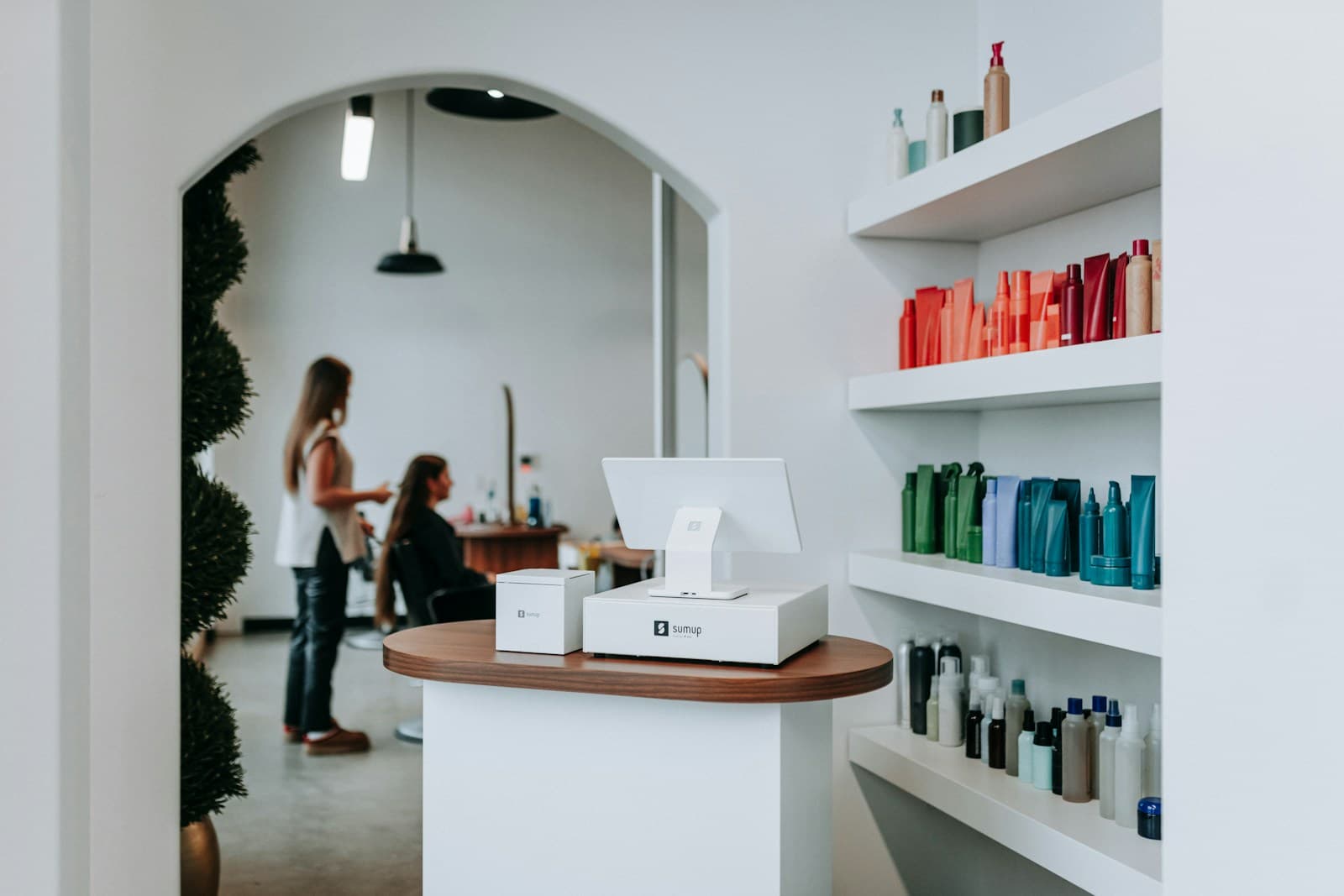
Esthetics licensing and treatment room ventilation requirements vary significantly by state — and most first-time beauty studio owners discover this after the lease is signed. The establishment license, the ventilation retrofit, and the specific service approvals are all determined by your state board before you see a single client. Getting the permits and compliance in order before build-out saves months of delay.
What Licensing Is Required Before Opening?
The licensing stack for a beauty studio has three layers, and all three must be in order before you can legally operate.
Layer 1: Individual provider license. Every esthetician, cosmetologist, or beauty therapist working in your studio needs a current state-issued license. This is not the studio's license — it's the individual practitioner's credential. If you're the solo provider, this is your existing license. If you're hiring, verify credentials before they start.
Layer 2: Establishment/salon license. The physical studio location requires a separate license from your state cosmetology or esthetics board. This involves a board inspection of the facility — they verify sanitation standards, proper equipment, ventilation for any chemical services, and documentation practices. Processing times range from 2 weeks to 3 months depending on the state. Apply before you finish build-out, not after.
Layer 3: Local business license. Your city or county requires a standard business operating license ($50–$300 annually) separate from the state board establishment license.
How Many Treatment Rooms Do You Need?
Most first-time beauty studio owners who start with two rooms find the second room generates revenue within 6–12 months as the client base grows. The second room can be configured as a treatment room from day one or used as retail/consultation space and converted later with minimal investment.
What Does Full Equipment Cost Look Like?
Equipment cost depends heavily on your service menu. Basic facials and waxing have the lowest equipment cost; advanced energy-based services have the highest.
For high-cost equipment (HydraFacial, laser), consider leasing or revenue-sharing programs before purchasing outright. Many equipment vendors offer revenue-share arrangements — you pay a per-treatment fee rather than a large upfront cost. This reduces capital risk while demand is being established. Convert to a purchase after you've proven the service sells in your market.
What Are the Total Startup Costs?
What Does the First 60 Days of Business Look Like?
The goals for the first 60 days: fill two weeks of appointments before opening, collect the first 10–15 Google reviews, and establish your booking cadence.
The opening client strategy:
- Pre-book 20–25 appointments for the first two weeks before your opening date.
- Follow up every new client within 24 hours with a booking link for their next appointment.
- Ask every satisfied client for a Google review within 48 hours of their service.
- Offer a referral incentive: $20 off their next service for every new client they send.
The referral ask in the first 60 days is disproportionately effective because new studio clients feel like insiders — they're among your first customers and they respond to being asked personally.
For the full revenue model and numbers, read the beauty studio numbers guide and our beauty studio business plan guide. For therapist pay structures once you're hiring, see the beauty therapist pay guide.
Run your studio on Zatrovo
Appointment booking, treatment records, and billing for beauty studios — built for estheticians.

We write playbooks for studio operators — based on data from thousands of studios running on Zatrovo across pilates, yoga, lash, nail, massage, salon, dance, and fitness.
Related reading
Beauty Studio Business Plan: Revenue Model for 1-Room and 3-Room Studios
A business plan framework for single-room and three-room beauty studios — with treatment revenue, retail margin, and break-even timeline.
Opening a Spin Studio: Bike Count, Acoustic Build-Out, and the 60% Utilization Target
The bike count, acoustic treatment, and break-even utilization target that determine spin studio viability before signing a lease.

Opening a Dance Studio: Floor Space, Disciplines, and the First 50 Students
The floor space, sprung floor decisions, and discipline mix that determine whether a dance studio is viable before signing a lease.