Opening a Spin Studio: Bike Count, Acoustic Build-Out, and the 60% Utilization Target
The bike count, acoustic treatment, and break-even utilization target that determine spin studio viability before signing a lease.
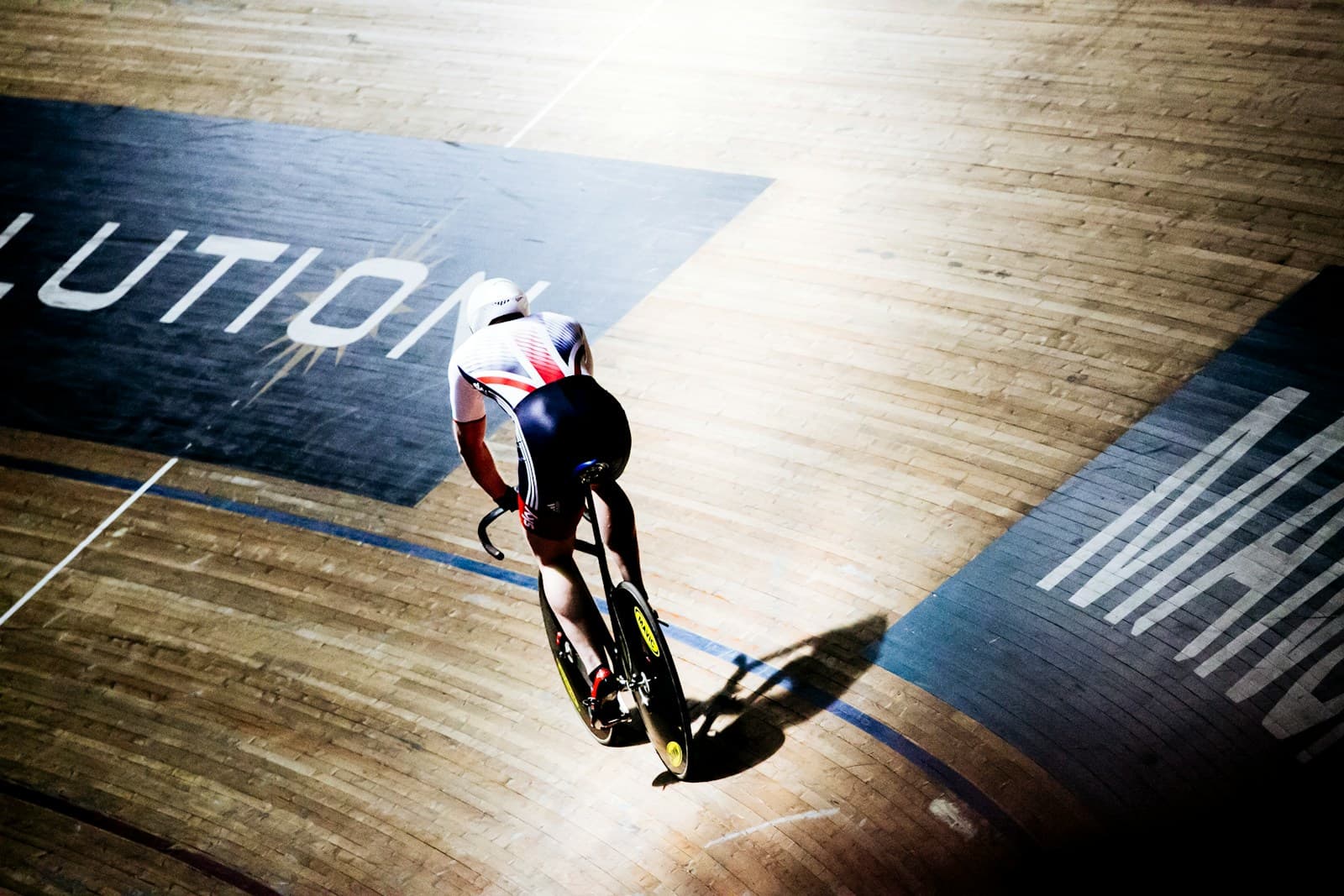
The acoustic build-out is the most underbudgeted line in spin studio startups — and the decision that most directly affects both instructor retention and opening-week reviews. Poor sound at launch creates a first impression that takes months to overcome. Get the acoustics right before you buy bike number one.
How Much Space Does a Spin Studio Need?
Spin class design is simpler than other fitness formats in terms of space calculation: each bike needs approximately 14–18 sqft, plus 3–4 ft of instructor space at the front.
For a 25-bike studio: 25 × 16 sqft = 400 sqft of bike area, plus instructor platform (50 sqft), entry/exit path, and minimal front-of-house. A single-room spin studio fits in 1,500–2,200 sqft total. That's compact relative to most fitness formats and is one of the reasons spin has favorable economics when bike utilization is high.
What Is the Acoustic Build-Out and Why Does It Come First?
Spin studios have a fundamental acoustic problem: loud music, hard bikes on hard floors, hard walls, and an instructor trying to coach above all of it. Without treatment, the result is echo-heavy, fatiguing sound where the music is muddy and the instructor is unintelligible after the first quarter of a ride.
The standard treatment for a spin studio room:
- Acoustic panels on 40–50% of wall surface (thick fabric-wrapped fiberglass or mineral wool panels)
- Bass traps in room corners (critical for controlling low-frequency buildup from subwoofers)
- Ceiling cloud or panels if the ceiling is hard (drywall or concrete)
- Rubber or cork underlayment under bike area to reduce vibration transmission
How Do You Calculate the Break-Even Utilization Rate?
The break-even utilization rate is the minimum percentage of bike spots that must be filled across all classes to cover fixed costs. For a spin studio, this is a clean calculation.
Formula:
Break-even rides/day = (Monthly fixed costs) ÷ (Average price per ride) ÷ 30 days
Break-even utilization = Break-even rides/day ÷ (Bikes per class × Classes per day)
Example (25-bike studio, 6 classes/day, $24/ride, $12,000/month fixed costs):
Break-even rides/day = $12,000 ÷ $24 ÷ 30 = 16.7 rides/day Classes per day: 6. Bikes per class: 25. Total available spots: 150/day. Break-even utilization = 16.7 ÷ 150 = 11.1%
That looks easy. It's not, because 11% average includes peak classes at 80%+ and off-peak classes at near zero. The realistic target is 55–65% on peak classes (morning, early evening) and 30–40% on off-peak to achieve a blended average that covers costs.
What Are the Total Startup Costs?
What Does the First 90 Days Look Like?
The opening window determines whether you reach break-even enrollment before your cash reserves run dry.
The critical activities:
- Host 3–5 founding member preview rides before official opening.
- Launch a founding member offer (capped at 30, deposit-backed, 20% below standard pricing).
- Register on Google Business, Apple Maps, and local fitness discovery platforms (ClassPass, Mindbody, local directories).
- Partner with one or two local employers or residential buildings for a pop-up taster session.
- Get one or two local media placements — a fitness blog mention, an Instagram collab with a local fitness creator.
The founding member list of 25–30 riders fills your first two classes immediately and creates the social proof (attendance, energy, social posts) that drives the next 30 riders organically.
For the full economics and operations model, read the fill your spin studio guide and our spin studio business plan guide. For instructor pay structure once you're hiring, see the spin instructor pay guide.
Run your studio on Zatrovo
Class scheduling, pack and membership billing, and founding member enrollment for spin studios.

We write playbooks for studio operators — based on data from thousands of studios running on Zatrovo across pilates, yoga, lash, nail, massage, salon, dance, and fitness.
Related reading
Spin Studio Business Plan: Bike Utilization and Break-Even by Class Count
A business plan model for spin studios at 20, 35, and 50 bikes — with utilization targets, instructor cost, and break-even class count.
Spin Studio Local SEO: Rank for 'Spin Class Near Me' When Motivation Is Highest
GBP optimization and class-specific landing pages that capture high-intent spin searches at the moments of peak motivation.
Hiring Spin Instructors: The Audition Class That Reveals Stage Presence — Not Just Fitness
An audition format that evaluates cuing clarity, music timing, and rider motivation — the three skills that fill spin classes repeatedly.