Hiring Spin Instructors: The Audition Class That Reveals Stage Presence — Not Just Fitness
An audition format that evaluates cuing clarity, music timing, and rider motivation — the three skills that fill spin classes repeatedly.
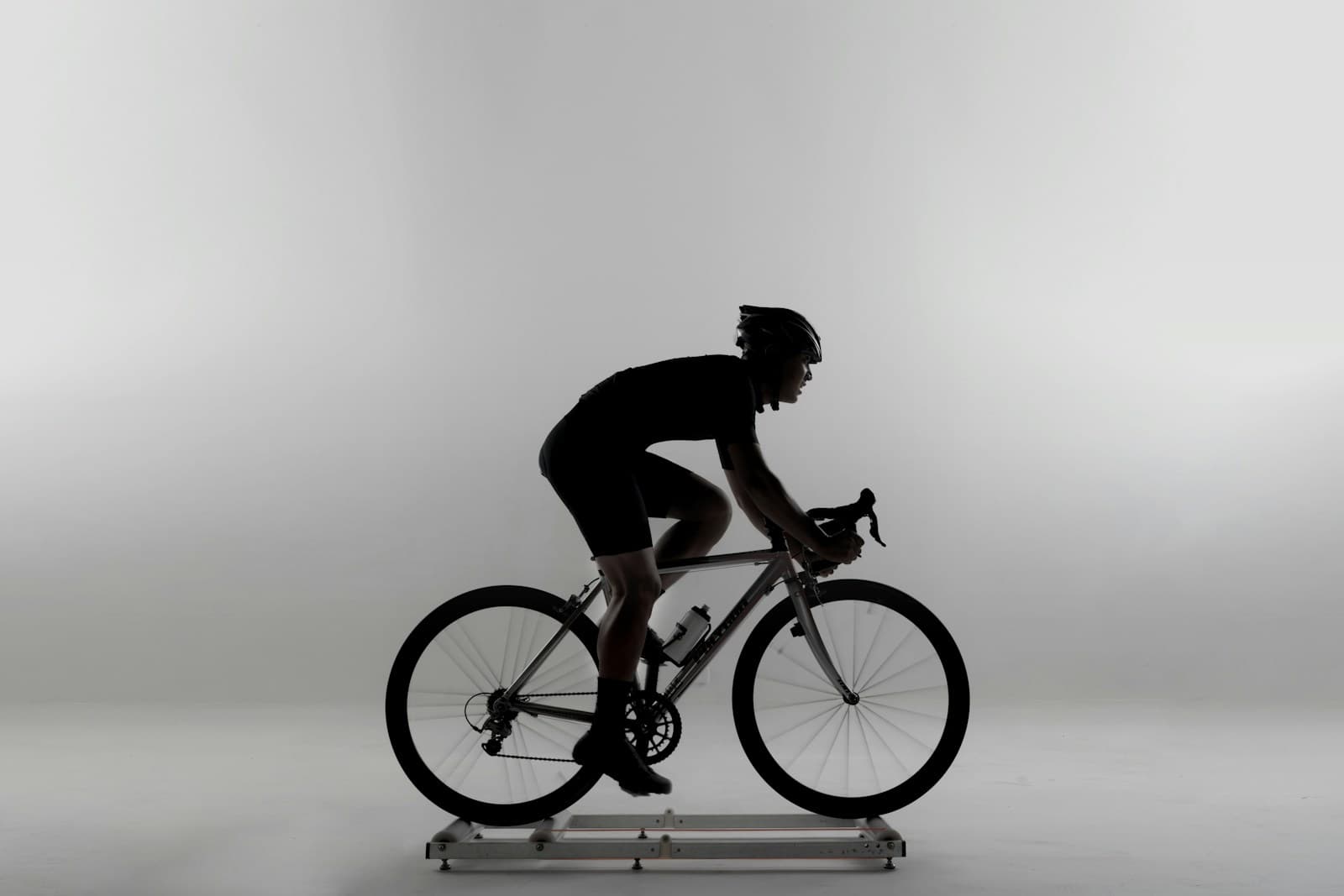
Spin instructors are performers. The audition that evaluates stage presence with real riders — not certification credentials or a demo on an empty bike — predicts class fill rates better than any other hiring signal. A structured 45-minute audition with 10 riders gives you everything a resume can't.
Why Is Spin Instructor Hiring Different From Other Fitness Roles?
A yoga teacher can be quiet and still be excellent. A strength coach can be no-frills and still produce results. A spin instructor who lacks stage presence produces a workout that's functionally identical to a home cycling app.
The unique challenge in spin hiring: the instructor is the product. Riders book a class because of who's teaching it. A well-known instructor with a devoted following adds an empty class to your schedule on day one. A technically qualified but low-energy instructor fills your room once and empties it by the third class.
What Is the Three-Dimension Audition Framework?
The Three-Dimension Audition Framework evaluates the skills that determine class fill rate: cuing clarity, music synchronization, and rider motivation.
Dimension 1: Cuing Clarity Riders need enough notice to anticipate and execute a transition safely — 2–3 beats before the change, not the beat of the change itself. Evaluate: does the instructor cue "out of the saddle in 3...2...1" or just shout "up!" as the beat drops? The former prepares; the latter reacts. Score 1–4.
Dimension 2: Music Synchronization Effort zones should align with musical energy. Recovery segments should come during musical breaks or downbeat periods. Sprints should peak at musical peaks. An instructor whose cues are disconnected from the music creates cognitive dissonance for riders. Score 1–4 after reviewing the playlist in advance to know what to look for.
Dimension 3: Rider Motivation Does the instructor personalize encouragement during the hard sections? Do they name riders, reference the effort they're seeing, and communicate genuine energy — not scripted enthusiasm? Watch the riders' faces during the hardest 5 minutes. If they look like they're being entertained as well as challenged, the motivation is landing. Score 1–4.
What Does the Pre-Audition Playlist Review Reveal?
Ask candidates to submit their audition playlist 48 hours before the class. The playlist tells you a great deal before they ever get on the bike.
Genre and tempo alignment: Does the playlist show an understanding of ride structure — warm-up, build, peaks, recovery, cool-down — reflected in the energy arc of the music? A flat playlist (all the same tempo throughout) suggests the instructor hasn't thought about ride architecture.
Song familiarity: Riders respond more to familiar songs than unfamiliar ones, especially during peak effort. A playlist built entirely of obscure tracks may reflect personal taste over rider experience.
Transitions: For platforms that support it, look at whether crossfades are set. An instructor who manually manages transitions has likely practiced the class and knows their music.
The playlist review also gives you objective criteria for music feedback after the audition — you can point to specific choices and ask their rationale.
How Do You Collect Rider Feedback After the Audition?
After the audition class, ask the rider group to complete a short 4-question feedback form (paper or digital) before leaving:
- How energized do you feel after this class? (1–5)
- Did the instructor's energy motivate you during the hardest part? (Yes / No)
- Would you book this instructor's class again? (Yes / Unsure / No)
- One word to describe the class experience.
This is not a popularity contest — it's signal. A candidate who scores 4+ on all energy questions but gets 50% "Unsure" on rebooking intent is landing energy but missing connection. A candidate who scores 3 on energy but 85% "Yes" on rebooking has something personal that transcends the rating.
Compile the rider feedback alongside your own rubric scores. Both inputs together produce a more reliable hire decision than either alone.
What Pay Structure and Benefits Apply to Spin Instructors?
Entry-level spin instructors at independent studios typically earn $25–$45/class. Established instructors with a following earn $45–$75/class. In high-demand urban markets (NYC, LA, Chicago), top instructors earn $75–$150+/class for peak time slots.
Per-class flat rate is the standard structure. Some studios add a fill-rate bonus: a base rate for classes under 70% full, with a bonus per head above that threshold. This aligns the instructor's income with their class-building effort.
For full pay benchmark data, see the spin instructor pay guide. The fill your spin studio guide covers class schedule design and marketing that supports instructor success. The instructor contracts guide has the clauses specific to performing instructors.
Run your studio on Zatrovo
Manage spin instructor scheduling, audition tracking, and class fill rates in one platform.
Sources:
- Mad Dogg Athletics: Spinning® Instructor Certification — certification standards reference
- Indoor Cycling Association: Instructor development resources — industry guidelines for instructor evaluation

We write playbooks for studio operators — based on data from thousands of studios running on Zatrovo across pilates, yoga, lash, nail, massage, salon, dance, and fitness.
Related reading
Opening a Spin Studio: Bike Count, Acoustic Build-Out, and the 60% Utilization Target
The bike count, acoustic treatment, and break-even utilization target that determine spin studio viability before signing a lease.
Spin Studio Local SEO: Rank for 'Spin Class Near Me' When Motivation Is Highest
GBP optimization and class-specific landing pages that capture high-intent spin searches at the moments of peak motivation.
Spin Class Scheduling: Bike Utilization Targets and Peak-Hour Logic That Maximize Revenue
Class schedule design that hits bike utilization targets — the number that determines whether a spin studio is profitable.