How to Fill Your Spin Studio: Pricing, Retention & Instructor Math
Spin studios live or die on utilization — here's the pricing and rider retention math that fills 85%+ of bikes in 2026.
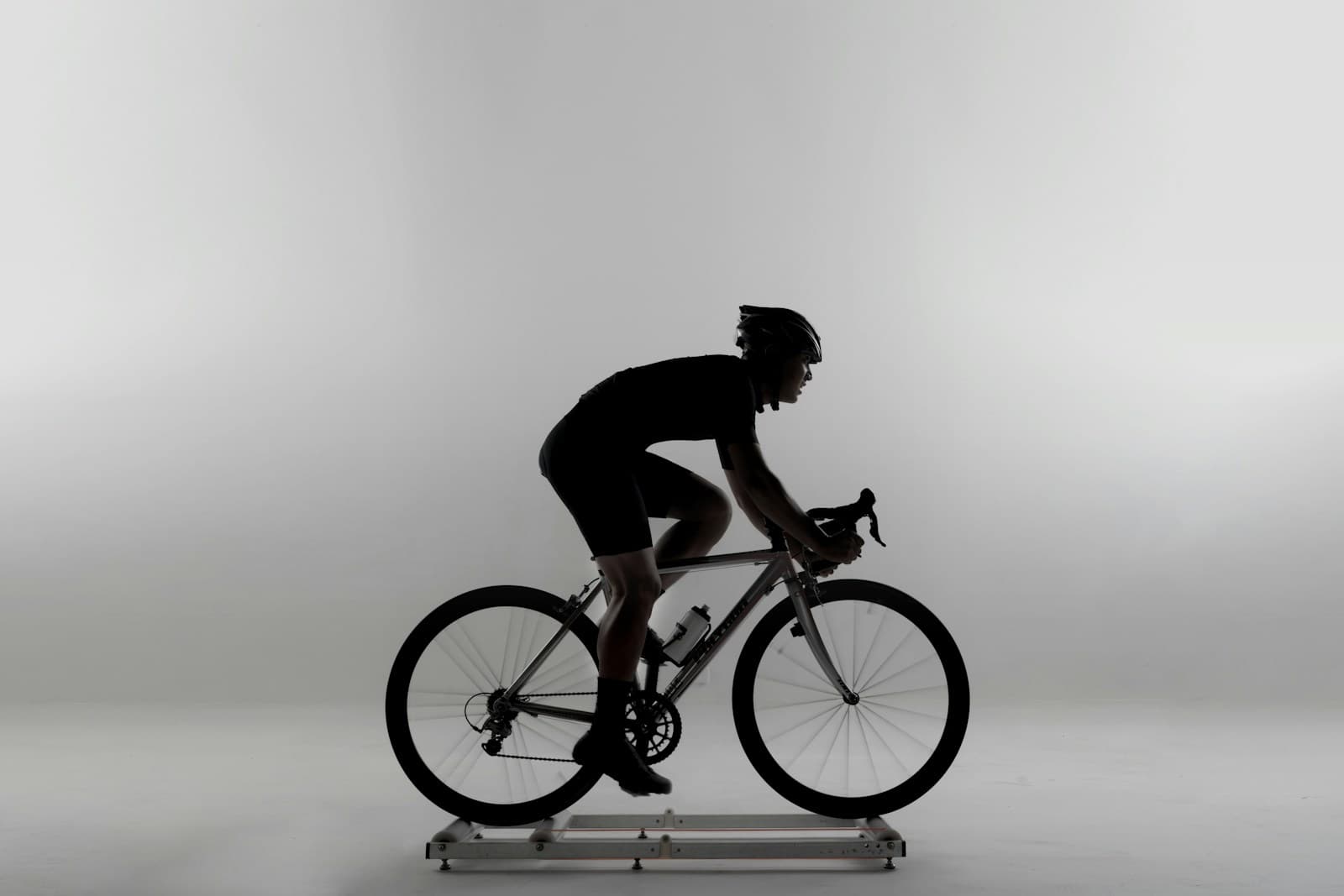
Spin studio profitability has one master variable: utilization. Studios that run 80%+ of bikes filled across their weekly schedule are almost always profitable. Studios below 65% are almost always struggling — regardless of how much they spend on marketing or how good their instructors are. This playbook covers the pricing, schedule, and retention levers that move that number.
What Utilization Rate Do You Actually Need to Be Profitable?
Target 75% per class slot as your operational minimum. Below 65% and most studios can't cover instructor pay, equipment amortization, and rent simultaneously.
The math is straightforward. If you have 20 bikes and charge $25/class average, a full class generates $500. At 75% utilization (15 riders), that's $375. After a $50 instructor flat rate and $80 in overhead allocation, you net $245 per class. Run 40 classes per week and that's $9,800/week in contribution margin — enough to support a studio with $25,000–$35,000/month in fixed costs.
Drop to 55% utilization (11 riders) and the same math produces $165 net per class. Now that same studio is margin-negative by $20,000+/month.
How Should You Structure Your Spin Class Pricing?
Price your classes so the membership math compels commitment. Drop-in rates should create urgency to upgrade, not a comfortable alternative.
A workable structure for a 20-bike studio in a mid-market:
The critical test: your unlimited membership effective rate should be meaningfully lower than your 10-class pack rate. If the gap is under $4/class, riders choose packs. You want membership to feel like the obvious move for anyone attending 8+ times per month.
The 3-Tier Spin Pricing Stack is the framework that works: Drop-in (anchor price), pack (transition product), membership (retention product). Each tier exists to move the rider to the next tier, not to serve that tier indefinitely.
For a deeper dive on spin pack structures, see the spin class pack pricing guide.
What Does the Right Spin Class Schedule Look Like?
Build your schedule around demand, not aspiration. Every class on your schedule must have a realistic path to 75% fill in the first 6 months.
Peak spin hours are consistent across markets: 6–8am Monday–Friday, 7–10am Saturday–Sunday, and 5:30–7pm Monday–Thursday. Off-peak is everything else. The mistake most new studios make is building a symmetrical schedule — equal classes across every time slot — instead of front-loading peak demand hours and being conservative off-peak.
A 20-bike studio doing its first 90 days well might run:
- Monday–Friday: 6am, 7am, 5:30pm, 6:30pm (20 classes/week)
- Saturday–Sunday: 8am, 9am, 10am (6 classes/week)
That is 26 classes/week. Fill those before adding more. Read the companion spin class scheduling guide for the full peak-hour allocation framework.
How Does Bike Assignment Affect Retention?
Assigned bikes are one of the highest-yield retention features in spin. They cost almost nothing to implement and meaningfully extend membership tenure.
Riders develop strong preferences. Bike 3 (front center) feels different from bike 12 (back right). Proximity to the instructor, distance from the speaker, sight-line to the mirror — these all matter to regular riders. When they book in advance and know their preferred bike is held, they book more often and more confidently.
Zatrovo spin cohort data shows studios with native bike assignment see 18% longer average membership tenure than studios using free seating. That is not a small number. On a $159/month unlimited member, 2 extra months equals $318 in additional lifetime value per member.
The operational cost is minimal: your booking software assigns bike numbers at booking, and the system tracks preferences so regulars can one-click reserve their usual spot.
What Instructor Pay Model Protects Margin?
Flat rate per class is the cleanest model for studios with consistent fill rates. Percentage structures work better in early stage or high-variance environments.
The spin instructor pay math needs to stay inside a 20–30% of class revenue ceiling to protect margin. Here is the reality:
The firm rule: total instructor payroll should not exceed 30% of gross class revenue. If you are above that, your prices are too low, your fill rates are too low, or you are over-scheduled.
For the full breakdown, read the spin instructor pay guide.
What Is the Founder Rate Strategy and When Should You Use It?
Founder rates work as an acquisition mechanism if you set a hard cap and a clear end date. They fail when they become the permanent pricing for a cohort of early riders.
The structure that works: offer founder pricing (20–25% below planned standard rates) to the first 50–75 riders who commit to a monthly membership. Lock it for 12 months only, not indefinitely. Communicate the end date in the offer itself — "lock your founder rate for 12 months, then move to standard pricing."
This does three things: creates urgency to sign up early, builds a founding member cohort who feel invested in the studio's success, and avoids the trap of permanently below-market members who resist every future price increase.
Do not offer founder rates to drop-in buyers. Founder rates should purchase commitment, not just a discounted trial.
How Do You Keep Riders Coming Back After the First Month?
The 30–45 day window after first class is your highest-leverage retention period. What happens in that window determines whether a new rider becomes a 12-month member or a churned trial.
The three moments that matter:
After the first class. An automated message within 2 hours asking about the experience, with a direct link to book the next class. Not a newsletter. A single-action prompt.
After the third class. A prompt to upgrade from drop-in or single pack to a monthly membership, with the math spelled out: "You've ridden 3 times. An unlimited monthly saves you $X versus drop-in."
After 30 days without a booking. An automated re-engagement message. Not a promotional email — a personal-feeling check-in with a one-click booking link for a popular upcoming class.
Studios that run all three of these automations see 34% higher 90-day retention than studios with no automation, based on Zatrovo cohort data (n=47, 2026). These are one-time setups that run without staff involvement.
The studio booking automation guide covers how to configure each of these sequences in your platform.
How Do You Price Private and Semi-Private Spin Sessions?
Private spin is a high-margin product most studios underutilize. A 1:1 private spin session at $85–$120 with a dedicated instructor generates 3–4x the revenue of a single seat in a group class — and the incremental cost is almost zero if an instructor is already on schedule.
The structure: offer privates as an add-on product for members, not as a standalone product. Privates sold to non-members create pricing confusion and attract a different client type than your membership model targets.
Semi-privates (2–4 riders) split the private rate — $45–$65 per rider — and work well as a premium product for serious cyclists who want instruction beyond what a group class provides.
Both products should be priced at a per-class rate that is 3–4x your unlimited membership implied rate. If membership implies $16/class, private should be $50–$65. If you price privates at $25, you are destroying the value signal on your membership.
What Does a Healthy Revenue Split Look Like for a Spin Studio?
The target for a mature spin studio (12+ months in operation): 55–65% membership revenue, 20–25% pack revenue, 10–15% drop-in and single-class revenue, 5–10% privates and workshops.
Studios below 50% membership revenue are too dependent on one-off sales and face cash flow volatility. Studios above 75% membership revenue may be under-monetizing acquisition — every new rider who would have bought a pack is instead missing the entry point.
Track your revenue split monthly. If membership percentage drops three months in a row, you have a retention problem starting. If pack revenue spikes with no corresponding membership conversion, your pack-to-membership conversion funnel is broken.
How Do You Measure Spin Studio Performance Month to Month?
Four numbers. Pull them monthly, not quarterly.
Utilization per class slot. Not overall — per class type. Morning peak vs evening peak vs off-peak tells you where to invest schedule attention.
Membership churn rate. Members lost divided by members at start of month. Target under 4% monthly for spin (slightly higher than pilates/yoga because spin tends to attract more casual fitness consumers). Above 6% monthly is a retention crisis.
Pack-to-membership conversion rate. Of riders who completed a 5- or 10-class pack in the last 60 days, what percentage converted to a monthly membership? Target 35–50%. Below 25% means your conversion funnel — pricing, timing, offer — is broken.
Revenue per bike per week. Total weekly revenue divided by total bikes. Profitable spin studios target $80–$130 per bike per week depending on market and class volume. If yours is below $60, you have a utilization or pricing problem. If it is above $150, you may have an underpriced membership.
What Are the Most Common Spin Studio Mistakes?
The four mistakes that appear most consistently in underperforming spin studios:
Over-scheduling before demand is proven. Thirty classes per week in month two looks like a full business. It costs $1,500/week in instructor pay for empty bikes. Start with 16, fill them, then add.
Pricing too low to "build the community." Riders anchored to $18 drop-ins won't pay $28 when you need to raise prices. Price at market from day one. Use a founder rate as a temporary acquisition tool, not a permanent pricing tier.
Ignoring bike assignment. Free seating feels more welcoming. It reduces retention by 18%. The preference data you lose by not tracking preferred bikes costs more over 12 months than the complexity of managing assignments.
Treating all instructors as equal. Your top instructor filling classes to 95% is not the same asset as a new instructor filling to 45%. Track class fill rate by instructor. Pay your top performers more. Protect their peak-hour slots. Losing a 90% fill-rate instructor to a competitor costs you 2–3 months of margin recovery.
Per Statista's wellness industry data, boutique fitness continues to grow as a segment. Spin specifically benefits from the communal, high-energy format that has driven SoulCycle-style studios to maintain premium pricing. The IHRSA Global Report confirms that studios with recurring revenue models significantly outperform drop-in dependent studios on margins and member tenure.
Run your studio on Zatrovo
Run spin class schedules, bike assignments, memberships, and packs on one platform.

We write playbooks for studio operators — based on data from thousands of studios running on Zatrovo across pilates, yoga, lash, nail, massage, salon, dance, and fitness.
Related reading
Spin Studio Software Hub: Bike Reservation, Waitlists, and Class Management Tools
Every spin studio software guide in one place — bike seat selection, waitlist management, shoe rental tracking, and the platforms built for indoor cycling studios.
Spin Bike Maintenance Schedule: The Monthly Checklist That Prevents Mid-Class Breakdowns
A monthly bike maintenance schedule — resistance calibration, flywheel check, handlebar torque — that prevents the equipment failures that destroy class reviews.
Spin Studio Front Desk Training: Bike Fit, Class Jitters, and Membership Closes
Scripts for new rider bike setup anxiety, class-level questions, and membership closes — the front desk conversations that determine whether a first ride becomes a habit.