Spin Studio Front Desk Training: Bike Fit, Class Jitters, and Membership Closes
Scripts for new rider bike setup anxiety, class-level questions, and membership closes — the front desk conversations that determine whether a first ride becomes a habit.
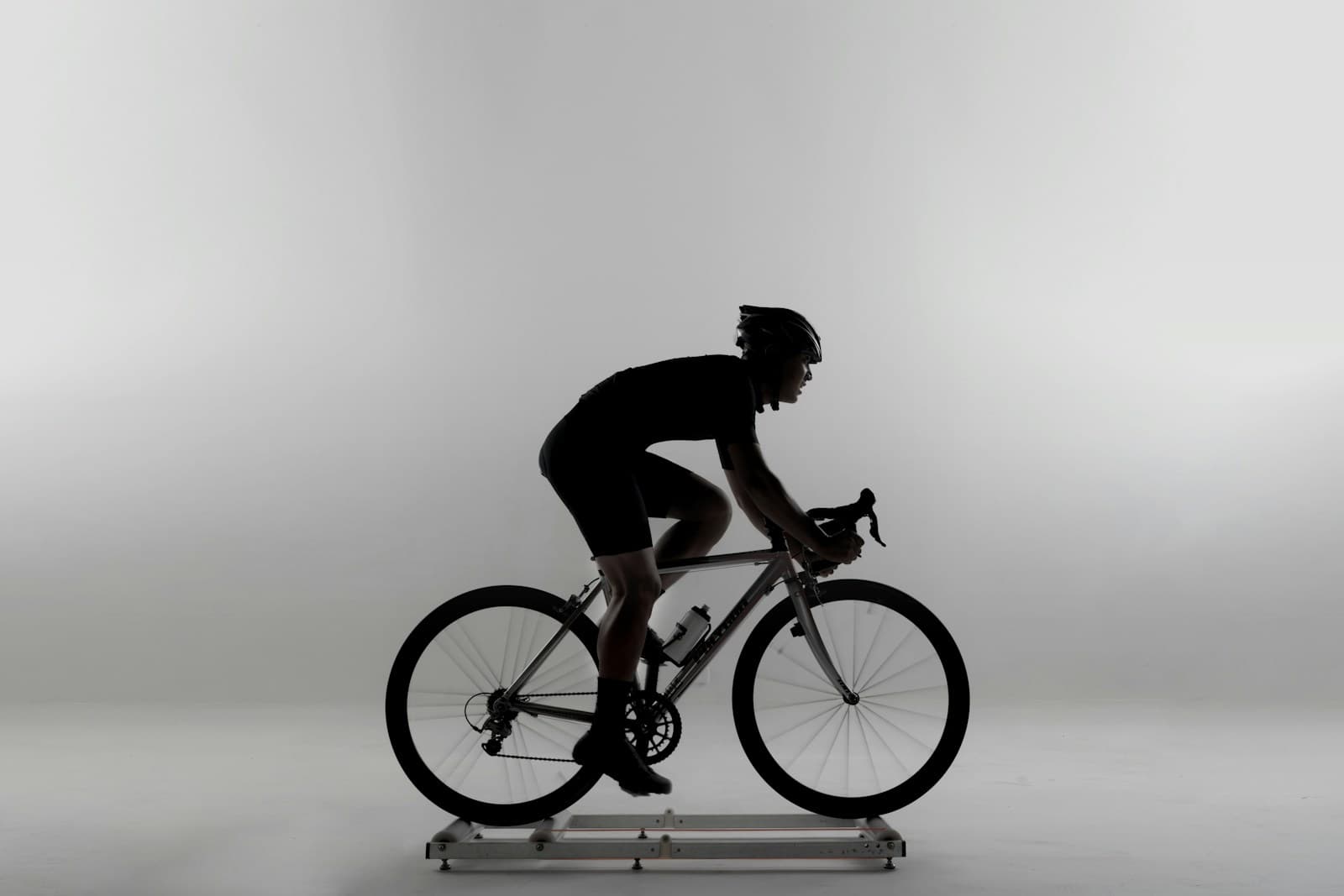
New riders' biggest anxiety before their first spin class is not knowing how to set up the bike — and front desks that address this proactively before class starts retain 34% more first-time riders into their second visit, based on Zatrovo spin studio data. The membership close after class is the second highest-leverage moment, and most studios handle it only if the rider asks.
Why Is Spin Studio Front Desk Training Distinct?
Spin studios have a specific equipment anxiety that other fitness formats don't: the bike.
A yoga first-timer worries about flexibility. A spin first-timer worries about cleated shoes they've never used, a seat that seems too high, resistance they don't understand, and not being able to keep up with a class that doesn't slow down for anyone. Every one of these anxieties can be addressed in a 5-minute check-in sequence. Most front desks don't do it.
What Does the Pre-Class Check-In Sequence Look Like?
The check-in sequence for a first-timer should take under 8 minutes and cover four things: account confirmation, shoe rental or cleat check, bike setup, and instructor introduction.
The cleat demo is the most skipped step. Staff assume riders know how clipless pedals work. Most first-timers don't — and discovering mid-class that they can't unclip is a crisis. A 60-second demo where the staff member shows the clip-in motion and the twist-to-release motion, and the rider practices it twice on the floor, prevents this entirely.
What Are the Specific Scripts for Bike Fit Anxiety?
Bike fit anxiety is the most common first-timer concern, and it's almost entirely solvable in 3 minutes.
The script:
"The most important thing before your first class is getting the bike set up for your body — it takes about 3 minutes and makes a huge difference in how comfortable and effective the class feels. I'll walk you over now."
At the bike: "Seat height first — stand next to the bike. The seat should be about hip height [adjust]. Now sit down and put your feet in. At the bottom of the pedal stroke, your leg should have a slight bend — not fully straight, not too bent. [Adjust.] Perfect. Handlebar height is personal preference — we can start here and you can adjust up or down during class. The QR lever is right here."
That's it. Three minutes. The rider now has context for what the bike is doing and why, which is more valuable than the adjustment itself.
How Do You Handle a Nervous First-Timer Who Seems Hesitant?
The first-timer who seems ready to turn around is not rare. The acknowledgment move:
"First classes are always a little weird — mostly because you don't know the format yet. By the end of the warmup, you'll have it. And if anything feels wrong during class — resistance is too high, something with the bike — you can always adjust mid-class or signal me."
Then two actions: walk them to the bike (don't point), and introduce them to the instructor. The physical act of walking with them removes their ability to quietly exit. The instructor introduction creates a social commitment to stay. Both matter.
What doesn't work: "You'll be fine! It's easy!" This is dismissive and factually untrue — the first class is not easy. Acknowledge the reality, then address it specifically.
How Do You Recommend a Class Level?
Class level recommendations need to be specific and directive.
The failure mode: "Our Fundamentals class is great for beginners, but if you've exercised before, Intermediate should be fine too." This puts the decision on the rider and most first-timers will choose wrong.
The working approach: ask one question first. "Have you done indoor cycling before — on a spin bike or a Peloton at home?"
- Yes (indoor cycling background): "Start with our Intermediate class. The format is familiar, the intensity is manageable, and you won't be bored in Fundamentals. The main difference is our instructors use specific pace cues — I'll make sure the instructor knows it's your first time here so they can orient you."
- No indoor cycling background: "Our Fundamentals class is the right start. It's the same music and energy, just shorter and with more instruction on form and technique. Most people who start there and then move to Intermediate say it made a real difference in their technique."
A specific recommendation with a brief rationale closes the decision.
What Does the Membership Close Look Like?
The post-class membership close is the highest-conversion moment in the entire customer journey, and most spin studios don't deliberately structure it.
The window is 5–10 minutes after class ends, while the rider is still at the bike or heading out. The specific conversation:
"How was that?" [Let them respond.] "Great — you looked strong out there. Do you want to talk about membership options? The most popular one is [specific name, price, implied per-class rate]. At the frequency most people ride here — 2–3 times a week — you'd save [specific dollar amount] compared to paying drop-in each time."
Then be quiet. Let them respond. Do not fill silence with more information.
For riders who need to think about it, give them a specific document: a one-page comparison of drop-in vs. each membership tier at two usage frequencies (2x/week and 3x/week). Numbers make the decision easier.
How Do You Set Up the Shoe Rental Process to Eliminate Friction?
Shoe rental friction kills first-class experiences. The fix is process, not inventory.
Three improvements that eliminate most rental friction:
- Collect shoe size at booking. Add it to the booking form. Pull rentals before the rider arrives.
- Demonstrate clip-in and clip-out before class. Never assume.
- Have a sizing exchange bin. Stock half-sizes in bins labeled by size so exchanges happen at the rack, not at the front desk, mid-class rush.
For longer-term members who rent repeatedly, have a locker or named cubby system where their rental shoes stay. Members who stop bringing their own shoes but have rentals "saved" are one step toward buying their own — and personal shoes are a retention signal.
For a full operational view of the spin studio, see the spin studio operations manual. For equipment maintenance that supports these front-desk promises, see the spin bike maintenance guide. For what fills the studio in the first place, see the fill your spin studio guide.
Run your studio on Zatrovo
Manage class scheduling, first-timer workflows, and membership closes in one platform for spin studios.

We write playbooks for studio operators — based on data from thousands of studios running on Zatrovo across pilates, yoga, lash, nail, massage, salon, dance, and fitness.
Related reading
Spin Bike Maintenance Schedule: The Monthly Checklist That Prevents Mid-Class Breakdowns
A monthly bike maintenance schedule — resistance calibration, flywheel check, handlebar torque — that prevents the equipment failures that destroy class reviews.
Spin Studio Software Hub: Bike Reservation, Waitlists, and Class Management Tools
Every spin studio software guide in one place — bike seat selection, waitlist management, shoe rental tracking, and the platforms built for indoor cycling studios.
Spin Studio Operations Manual: SOPs for Bike Setup, Audio, and Lighting That Hold Across Instructors
SOPs that standardize the spin class experience — bike fit setup, playlist format, lighting cues — so every instructor delivers the same production quality.