Spin Studio Operations Manual: SOPs for Bike Setup, Audio, and Lighting That Hold Across Instructors
SOPs that standardize the spin class experience — bike fit setup, playlist format, lighting cues — so every instructor delivers the same production quality.
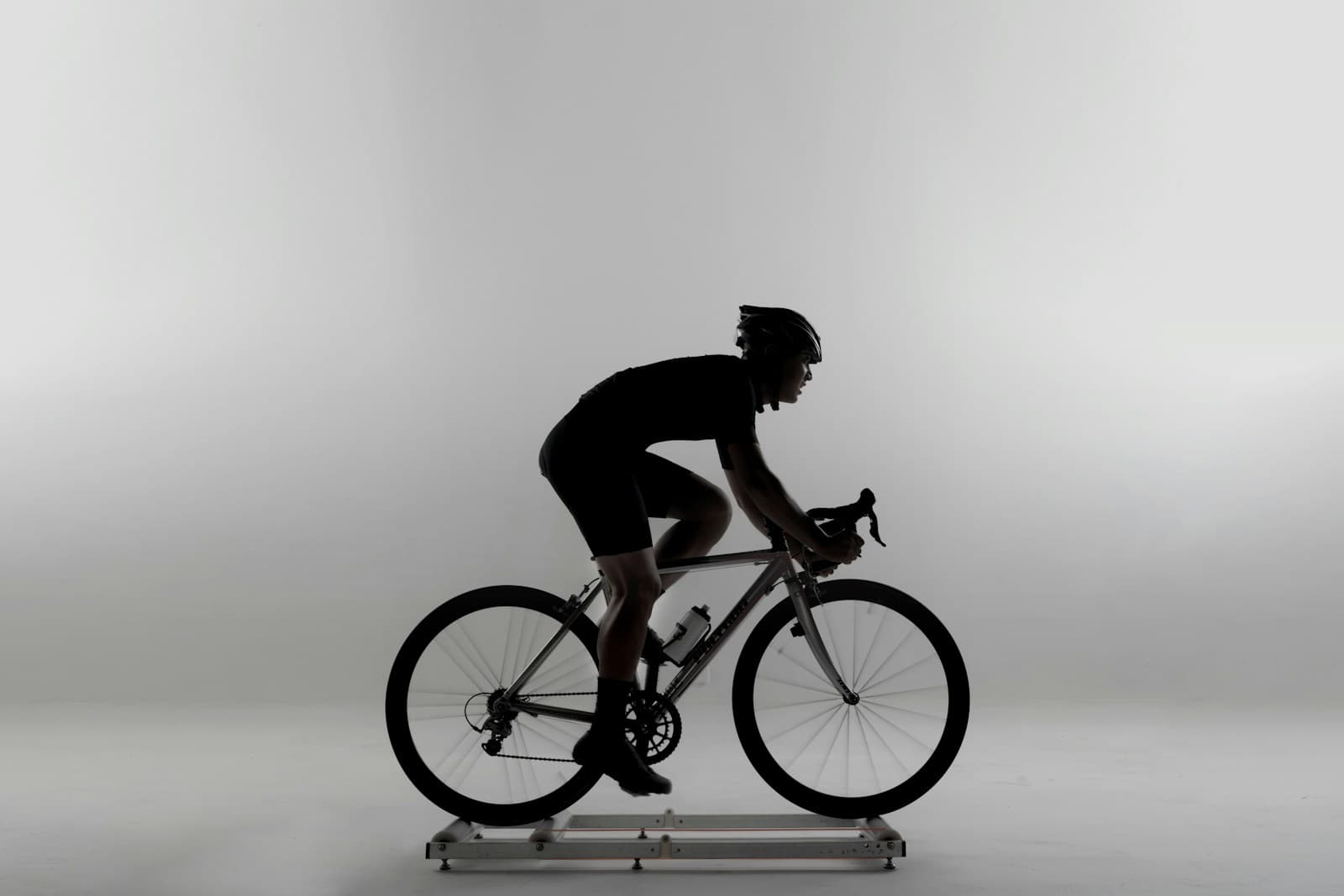
The spin class experience is a production. Studios whose SOPs cover audio level, lighting transitions, and bike fit consistency get better reviews regardless of which instructor is on the schedule — because the experience is repeatable, not instructor-dependent. A written operations manual is the difference between a studio that delivers consistently and one that peaks only when its best instructor is teaching.
Why Does a Spin Studio Need an Operations Manual?
A spin class is 45–60 minutes of curated experience: music, lighting, instructor energy, and physical challenge. When any element breaks down — the audio cuts out mid-track, the lighting transition is off, a rider's bike is misconfigured — the experience suffers and the instructor gets blamed even if the problem was operational.
Most spin studios don't have written SOPs. They have informal norms: "the good instructors know how to set the lights," "experienced riders know their own fit." This creates an experience that varies dramatically by instructor, by time of day, and by how recently the equipment was maintained.
What Should the Bike Fit SOP Cover?
Bike fit is the most operationally neglected aspect of a spin studio. Studios that invest in a proper fit card on each bike — a laminated quick-reference guide attached to the handlebar post — reduce instructor setup time, reduce rider injury complaints, and increase rider confidence.
The four-point bike fit standard:
1. Seat height: Stand next to the bike. Set the seat to hip height (the top of the seat should be level with the hip bone). When pedaling, the knee should have a slight bend (10–15°) at the bottom of the pedal stroke. No full extension, no extreme flex.
2. Seat fore-aft: Sit on the bike with feet horizontal in the pedal straps. At the 3 o'clock position (pedal forward, parallel to floor), the knee should be directly over the pedal spindle. Not behind, not in front.
3. Handlebar height: For new riders and recovery riders, handlebar height equal to or slightly above seat height. For experienced riders who prefer an aggressive position, handlebar can be set lower. Default to neutral for new riders.
4. Handlebar distance: When hands rest on the bars in a neutral grip, elbows should have a slight bend. Full arm extension puts strain on shoulders and wrists during a long ride.
What Are the Audio Standards for a Spin Class?
Audio is the single most impactful element of a spin class after the instructor. Wrong volume, delayed track transitions, or equipment failure mid-class can destroy an otherwise excellent session.
Audio SOPs should cover:
Volume standard: Target 80–85 dB on the studio floor during steady-state riding. Check with a dB meter (available for $25–$40) placed at mid-studio at rider height. Mark the soundboard setting that achieves target volume for the room at max capacity — this will differ from the setting at empty room.
Playlist format requirements: Define the playlist structure instructors must follow. Example: warm-up track (5–6 min, BPM 70–80), building tracks (4–5 tracks, increasing intensity), peak track (1–2 tracks, maximum effort), recovery track, final push tracks, cool-down. Some studios require instructors to submit playlists 24 hours in advance for review — this is worth the effort if instructor playlist quality varies significantly.
Equipment protocol: Which microphone system, how to change batteries, what to do if the mic cuts out mid-class (have a backup handheld on the instructor bike), how to restart the audio system, and who to call for technical failure.
What Is the Lighting Protocol?
Lighting in a spin studio is a programmable experience, not just on/off. A studio with a lighting control system should have preset programs that instructors load rather than configure from scratch each class.
Recommended preset programs:
Standard ride: Start at 60% warm-toned light. Drop to 20% during climbs and heavy resistance intervals. Flash to 80–100% on sprint finishes. Return to 60% for recovery periods.
Dark ride: Accent lighting only (floor strips, bike illumination). No overhead lighting except during safety moments (someone falls, an injury occurs — trigger full lights immediately).
Recovery ride: 40–50% warm light throughout. No dramatic changes — the experience is calm and consistent.
All-levels flow: 50% throughout, with gentle increases on effort peaks.
Lighting presets should be locked against instructor modification. If an instructor wants to create a custom preset, they submit it for approval and it's added to the library — not modified in the live system.
How Do You Maintain Consistency Across Instructors?
The Studio Experience Matrix is a practical tool for spin studios managing multiple instructors. It maps the expected experience at each class moment against the instructor-configurable elements.
The matrix defines: what elements are fixed (bike maintenance, sound system, room temperature), what elements instructors choose from a defined menu (lighting presets, playlist format), and what elements are fully instructor-determined (motivation style, coaching cues, verbal energy).
Fixed elements are documented in the operations manual. Menu elements are defined in the instructor guide. Fully instructor-determined elements are left to the instructor's judgment — they are what differentiate a studio's teaching roster.
For connection to scheduling and class management, see the spin studio booking software guide and the fill your spin studio playbook.
What Should the Between-Class Cleaning Protocol Include?
Between-class cleaning is an operational constraint that affects your scheduling capacity. Studios with 45-minute classes and 15-minute transition windows need a written protocol that a single staff member can execute in 12 minutes.
Cleaning protocol elements:
- Wipe each bike seat, handlebars, and frame with disinfectant spray (pre-soaked towels or wipes)
- Mop any floor sweat pools, especially in the instructor zone
- Replace used towels at each bike station with fresh ones
- Check and refill water stations
- Reset thermostat to pre-class target
- Check and reload lighting preset to class standard
- Air out the room if climate allows (open studio door or increase HVAC flow for 5 minutes)
Time this protocol in practice. If it takes 18 minutes in a 15-minute window, you either need an additional staff member for turn days or a longer transition on your schedule.
External sources:
- NIOSH occupational noise exposure guidelines — hearing health standards for fitness instructors
- Indoor Cycling Association — spin industry best practices and instructor standards
Run your studio on Zatrovo
Class scheduling, bike reservation, and waitlist management for spin studios on one platform.

We write playbooks for studio operators — based on data from thousands of studios running on Zatrovo across pilates, yoga, lash, nail, massage, salon, dance, and fitness.
Related reading
Spin Studio Software Hub: Bike Reservation, Waitlists, and Class Management Tools
Every spin studio software guide in one place — bike seat selection, waitlist management, shoe rental tracking, and the platforms built for indoor cycling studios.
Spin Bike Maintenance Schedule: The Monthly Checklist That Prevents Mid-Class Breakdowns
A monthly bike maintenance schedule — resistance calibration, flywheel check, handlebar torque — that prevents the equipment failures that destroy class reviews.
Spin Studio Front Desk Training: Bike Fit, Class Jitters, and Membership Closes
Scripts for new rider bike setup anxiety, class-level questions, and membership closes — the front desk conversations that determine whether a first ride becomes a habit.