Spin Instructor Pay: Per-Class Rates and the Performance Bonus That Fills Bikes
Per-class rates, rider count bonuses, and the revenue share models that retain the instructors whose classes sell out.
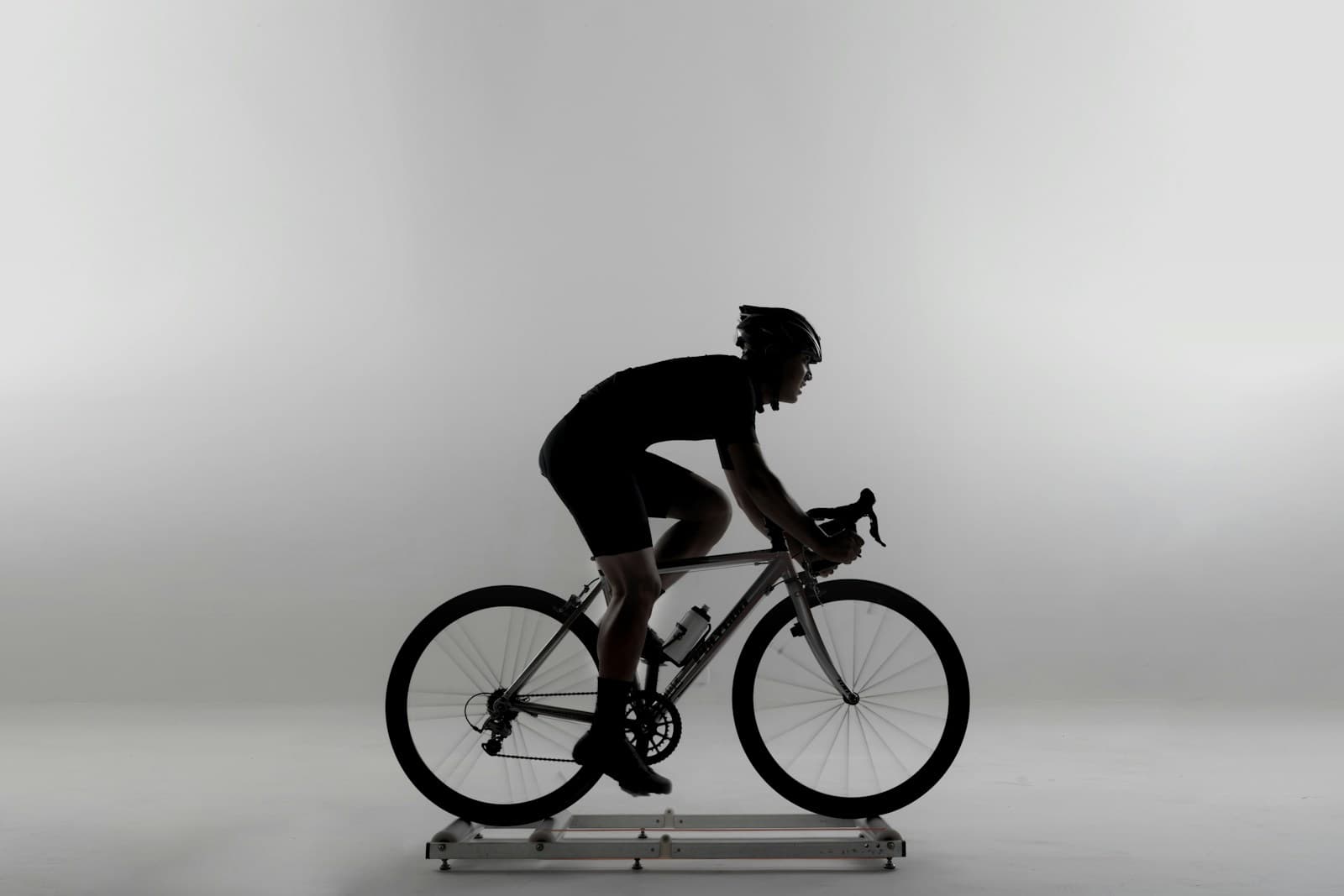
Spin instructors paid the same rate regardless of how many bikes they fill have zero financial reason to market their classes, build a following, or post pre-class content. A rider count bonus fixes that in a single line of the pay structure. The Rider-Performance Pay Model below shows how to tie instructor income directly to class fill without introducing full revenue share complexity.
Why does flat per-class pay underinvest in class growth?
A spin instructor earning $45/class for a 30-bike room earns $45 whether 12 riders show up or 28. The experience of teaching a full room is more energizing, but the paycheck is identical. There's no financial case for spending 20 minutes the night before posting to Instagram about the next morning's class. The studio benefits from that post. The instructor doesn't — financially.
This isn't a motivation problem. Instructors care about their classes. But caring and having a financial stake are different things. Rider-count bonuses create a financial stake at a specific, achievable threshold. The instructor can see the bonus in real time and act on it.
What is the Rider-Performance Pay Model?
The Rider-Performance Pay Model structures spin instructor compensation in three layers:
Layer 1: Base per-class rate. The flat rate an instructor earns for every class, regardless of attendance. Benchmark: $35–$55 for standard schedule classes at mid-market boutique studios.
Layer 2: Rider count bonus. A per-rider bonus for every rider above a defined threshold. Threshold is typically set at 70% of bike capacity. Bonus is $2–$5 per additional rider. Example: 30-bike room, bonus threshold at 21 riders. Instructor fills class to 27 — earns base rate plus (6 × $3) = $18 bonus.
Layer 3: Sell-out premium. A flat bonus paid when the instructor sells out the class. This is separate from the per-rider bonus and typically runs $15–$30. The sell-out premium rewards the instructor specifically for filling the room — a notable achievement worth acknowledging financially.
How do per-class rates differ by instructor experience and profile?
When does revenue share make sense for spin instructors?
Revenue share is the right model for senior spin instructors who have demonstrably driven membership growth and whose departure would meaningfully reduce your enrollment. Below that threshold, per-class plus attendance bonus accomplishes the same goal with less complexity.
When revenue share is appropriate:
- The instructor teaches 8+ classes per week at your studio
- Their classes sell out consistently (80%+ average fill)
- You have data showing that their classes drive first-visit conversion for new members
- You've had at least one conversation about their interest in advancing their compensation structure
Revenue share at 25–35% of class revenue with a floor guaranteed at their current per-class equivalent is the standard structure. The floor is critical — without it, a slow January means an instructor takes a significant income hit that they had no role in causing.
How do you handle pay when an instructor is substituted?
The substituting instructor is paid the standard per-class rate for the class they cover — not the original instructor's rate. If the sub is a less experienced instructor covering a senior instructor's rate class, they earn the sub rate applicable to their tier, not the absent instructor's premium rate.
The original instructor doesn't get paid for classes they don't teach — with one exception: a studio policy of paying one covered class per month per instructor as an illness benefit is reasonable and valued. Beyond that, unpaid coverage is the standard.
Document the sub policy in instructor contracts. The most common disputes about instructor pay involve sub coverage, not the base rate. Clear documentation prevents them.
For a full view of spin studio revenue and operations, see the fill your spin studio playbook, the spin class pricing guide, and the instructor pay structures compared guide. For private coaching pay, see spin private coaching pricing.
Run your studio on Zatrovo
Track spin instructor class pay, rider count bonuses, and payroll in one platform built for studios.
Sources:
- AFAA Group Fitness Instructor Certification — AFAA, 2024
- Mindbody Fitness Industry Report 2024 — Mindbody, 2024

We write playbooks for studio operators — based on data from thousands of studios running on Zatrovo across pilates, yoga, lash, nail, massage, salon, dance, and fitness.
Related reading
Hiring Spin Instructors: The Audition Class That Reveals Stage Presence — Not Just Fitness
An audition format that evaluates cuing clarity, music timing, and rider motivation — the three skills that fill spin classes repeatedly.
Spin Studio Software Hub: Bike Reservation, Waitlists, and Class Management Tools
Every spin studio software guide in one place — bike seat selection, waitlist management, shoe rental tracking, and the platforms built for indoor cycling studios.
Spin Studio Business Plan: Bike Utilization and Break-Even by Class Count
A business plan model for spin studios at 20, 35, and 50 bikes — with utilization targets, instructor cost, and break-even class count.