Spin Class Pricing: Per-Ride Rates and Membership Tiers That Fill Every Bike
Per-ride and membership tier structures for spin studios — with the utilization math that shows which model fills more bikes per week.
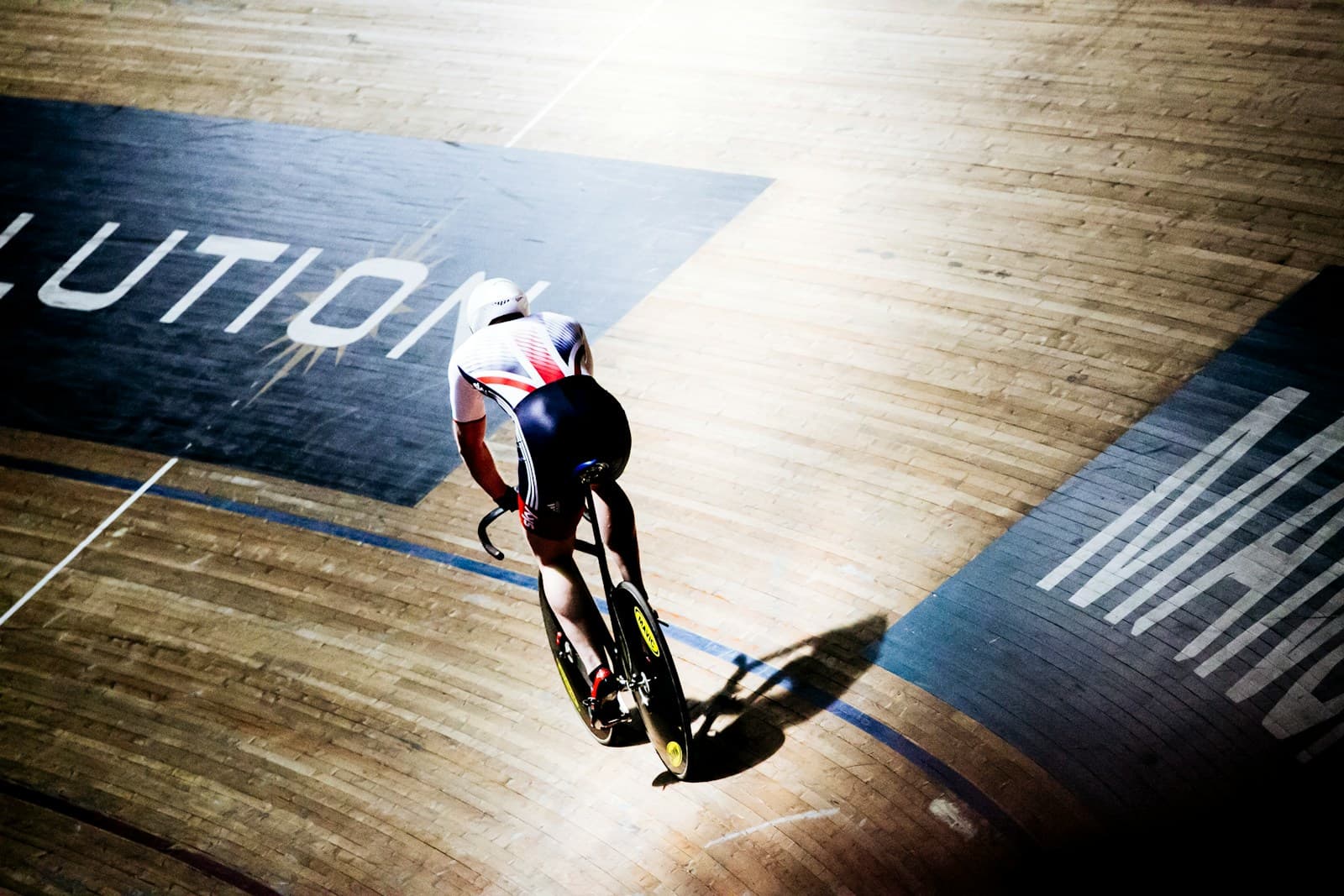
Spin studios that anchor entirely on per-ride pricing leave their highest-frequency riders — who might visit 4–5 times per week — underserved and price-motivated to find alternatives. A tiered membership model converts consistent riders into predictable monthly revenue and fills bikes that per-ride pricing leaves empty on weekday mornings. The math is straightforward.
What Are the Current Per-Ride and Membership Rate Benchmarks?
The critical observation: a rider buying 10-packs at $28/ride who visits 3x/week spends $336/month. An unlimited member who also visits 3x/week pays $165–$200/month. Per-ride pricing extracts more revenue per visit from moderate users but misses the revenue optimization opportunity with high-frequency riders who will find a cheaper monthly alternative if you don't offer one.
How Should You Build a Membership Tier Structure?
The 3-Tier Spin Membership Ladder gives riders three entry points based on their intended visit frequency:
Tier 1 — 4 rides/month: $85–$120. For the rider who does one class per week as a workout supplement. The commitment is low; the anchor to the studio is established.
Tier 2 — 8 rides/month: $130–$185. For the rider who attends twice per week. This is your highest-volume tier by enrollment count.
Tier 3 — Unlimited: $160–$230. For the committed rider who comes 3–5 times per week. This tier should feel like a genuine deal for high-frequency users.
The tier structure also creates natural upgrade pressure: a Tier 1 rider who attends 6 times in a month gets a notification or an in-app prompt that upgrading would save them money. That upsell is self-initiated by rider behavior — no sales pitch required.
What's the Utilization Math for Each Pricing Model?
A studio with 30 bikes running 8 classes per day (240 bike-sessions/day) and 260 operating days/year has 62,400 annual bike-sessions available.
At 100% per-ride pricing with average $28/ride and 65% utilization: 62,400 × 0.65 × $28 = $1,135,680 annual revenue.
At 60% membership / 40% per-ride with 75% utilization (memberships increase visit frequency): 62,400 × 0.75 × $22 blended rate = $1,029,600.
The per-ride model wins on revenue at equal utilization — but membership studios run at higher utilization because committed riders book in advance and fill off-peak sessions. The 10-point utilization lift from memberships closes the gap and often exceeds it.
How Do You Price a First-Ride Offer Without Training Discount Habits?
A one-time first-ride rate of $15–$20 is the standard. The key constraint: it applies once per person, and it's not advertised as a recurring promotion. It's an acquisition fee, not a regular price.
After the first ride, follow up within 24 hours with a membership offer. The timing matters: riders are most motivated immediately after a positive first experience. A 48-hour email is fine; a 5-day email is too late.
Studios that bundle a first-ride voucher with a "follow-up membership offer if you book again within 7 days" convert at 38% vs 22% for studios with no structured follow-up (Zatrovo benchmark, 2026). The offer works. The follow-up is what converts.
For the full acquisition-to-retention framework, read the fill your spin studio playbook.
How Do Late Cancellations Affect Bike Revenue?
A spin class with 30 bikes that fills to 28 bookings and has 4 late cancellations runs at 24/30 (80%) effective fill. Without a waitlist, those 4 spots generate zero revenue. With a waitlist and an automated text-to-claim system, 2–3 of those spots fill from the waitlist within 30 minutes.
A $12 late cancellation fee on 4 cancellations generates $48. Recovering those spots through waitlist fills generates $28–$40 each. The incentive is clearly on the side of waitlist automation over fee collection.
Fee enforcement still matters — it trains behavior. But the revenue-maximizing outcome is: charge the fee AND fill the spot from the waitlist. Both, not either.
For reminder and cancellation automation, see the spin rider retention guide and the class reminder automation guide.
Run your studio on Zatrovo
Manage spin studio membership tiers, bike bookings, and waitlist automation on one platform.

We write playbooks for studio operators — based on data from thousands of studios running on Zatrovo across pilates, yoga, lash, nail, massage, salon, dance, and fitness.
Related reading
Spin Studio Membership Pricing: Unlimited Rides vs Ride-Count Plans — Which Fills More Bikes
Unlimited vs 5-ride vs 10-ride plan analysis for spin studios — with the data on which tier converts first-timers and retains regulars.
Spin Studio First Ride Offers: The Format That Converts Curious Riders to Subscribers
First ride pricing structures — discounted, free, or intro pack — with the follow-up sequence that converts them before the post-ride high fades.
Opening a Spin Studio: Bike Count, Acoustic Build-Out, and the 60% Utilization Target
The bike count, acoustic treatment, and break-even utilization target that determine spin studio viability before signing a lease.