Spin Rider Retention: The Bike Preference Data That Predicts Dropout
Attendance and bike preference patterns that identify at-risk riders 4 weeks before they cancel — and the instructor check-in that reverses it.
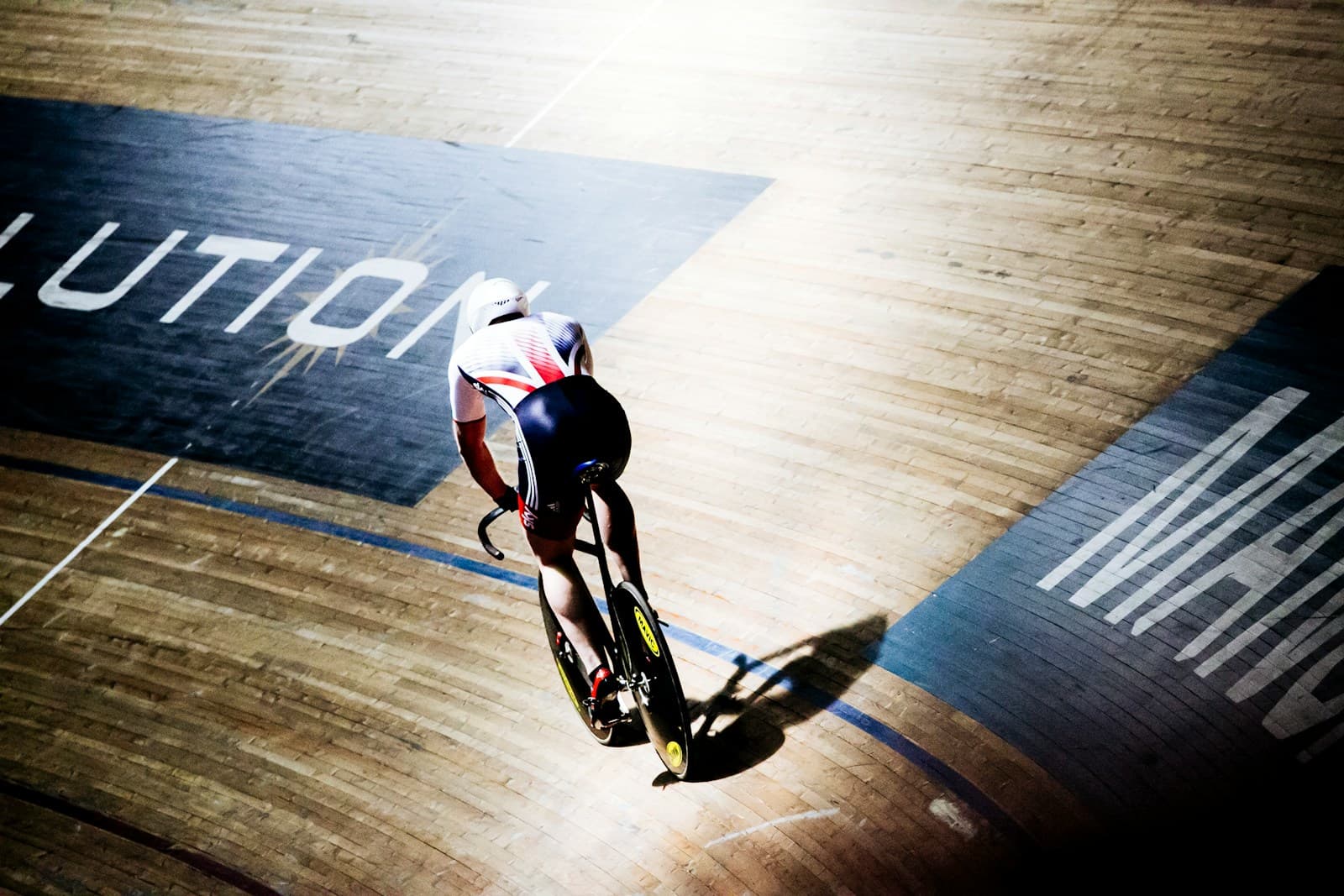
Spin riders who stop requesting a preferred bike have mentally checked out — the cancellation typically follows within 4 weeks. Bike preference history is the earliest retention signal most studios are sitting on but never looking at.
Why Bike Preference Predicts Churn
Bike selection is a commitment signal.
A rider who cares enough to reserve Bike 12 — front row, left side, directly in the instructor's sightline — is invested. They've thought about their experience, built a preference, and acted on it. When they stop reserving a specific bike and start booking any available spot, something has changed in their relationship with the studio.
The behavior shift precedes the cancellation request by an average of 4 weeks. That's the intervention window.
What Is the Bike Signal Retention Model?
The Bike Signal Retention Model monitors two behavioral dimensions to generate a weekly at-risk rider list: attendance frequency and bike selection behavior.
Tier 1 signal (low risk, monitor): Attendance drops from 3+ rides/week to 2 rides/week. No bike preference change.
Tier 2 signal (medium risk, coach check-in): Attendance drops to 1 ride/week or less. Bike preference still active.
Tier 3 signal (high risk, immediate action): Attendance drops to 1/week and bike preference has become random. The rider is attending out of inertia, not commitment. A personal check-in from the instructor within 48 hours has the highest recovery rate of any intervention.
The list takes 15 minutes to pull weekly. The check-ins take 5 minutes each. The ROI on a recovered annual membership is $800–$1,800 at typical spin studio pricing.
How Does the Instructor Retention Check-In Work?
The instructor who knows the rider by name is the right person to make the check-in contact. An automated email from the studio does not have the same effect.
The message is personal and genuine: "Hey, I noticed you haven't been in this week. Hope everything's okay — would love to see you back on your bike soon."
That's it. No promotion. No offer. Just a human acknowledging the absence.
The response rate on instructor-sent personal texts is 45–60%. The response rate on studio automated emails is 8–12%. The personal message wins because spin riders are there for the community as much as the workout.
What Scheduling Habits Correlate With High Retention?
Riders who book classes in advance — especially through series or recurring bookings — have higher retention than those who book day-of. The act of booking ahead creates commitment. It also surfaces in the data when a rider shifts from advance booking to last-minute or stop-booking altogether.
Build scheduling practices that reward advance booking:
- Open class reservations 7–14 days ahead for members
- Hold premium bikes (front row, favored positions) for advance bookers in the first 48 hours
- Waitlist management that rewards members who book early
Riders who habitually book 5–7 days out have a materially lower cancellation rate than day-of bookers. Day-of bookers are still valuable clients — don't remove their access — but they're higher-risk by the behavior pattern alone.
How Do Ride Count Milestones Create Retention?
A rider who hits their 50th class has invested meaningfully — and has significantly more to lose by canceling than someone on their 12th class.
Milestone recognition in spin works on two levels. The individual recognition (instructor callout, milestone sticker, physical badge) makes the rider feel seen and celebrated. The public acknowledgment (called out in class in front of other riders) creates social belonging that raises the cost of leaving.
Design your milestone schedule around these thresholds: 10th ride (first retention checkpoint), 50th ride (community belonging threshold), 100th ride (loyalty anchor), 250th and 500th for long-term members.
Automate the milestone detection and notify instructors before the relevant class so the acknowledgment is prepared, not improvised.
For a broader retention framework, see the studio client retention playbook. The fill your spin studio guide covers acquisition and scheduling strategies that complement retention. For win-back campaigns when riders do cancel, see spin win-back strategies.
Run your studio on Zatrovo
Track spin rider attendance, bike preferences, and milestone triggers in one platform.
Sources:
- Indoor Cycling Association: Industry retention benchmarks — spin studio operations reference
- IHRSA (now AHFS): Boutique fitness retention data — member retention benchmarks by format

We write playbooks for studio operators — based on data from thousands of studios running on Zatrovo across pilates, yoga, lash, nail, massage, salon, dance, and fitness.
Related reading
Spin Studio Loyalty Programs: Milestone Rides That Create the Habit Loop
Ride milestone programs — 50th ride, 100th ride celebrations — that create social proof and habit reinforcement at the same time.
Win Back Lapsed Spin Riders: The Post-Absence Offer That Gets Them Back on the Bike
A win-back sequence for spin riders who've gone quiet — timed to seasonal motivation peaks and framed around return, not failure.
Opening a Spin Studio: Bike Count, Acoustic Build-Out, and the 60% Utilization Target
The bike count, acoustic treatment, and break-even utilization target that determine spin studio viability before signing a lease.