Spin Studio Loyalty Programs: Milestone Rides That Create the Habit Loop
Ride milestone programs — 50th ride, 100th ride celebrations — that create social proof and habit reinforcement at the same time.
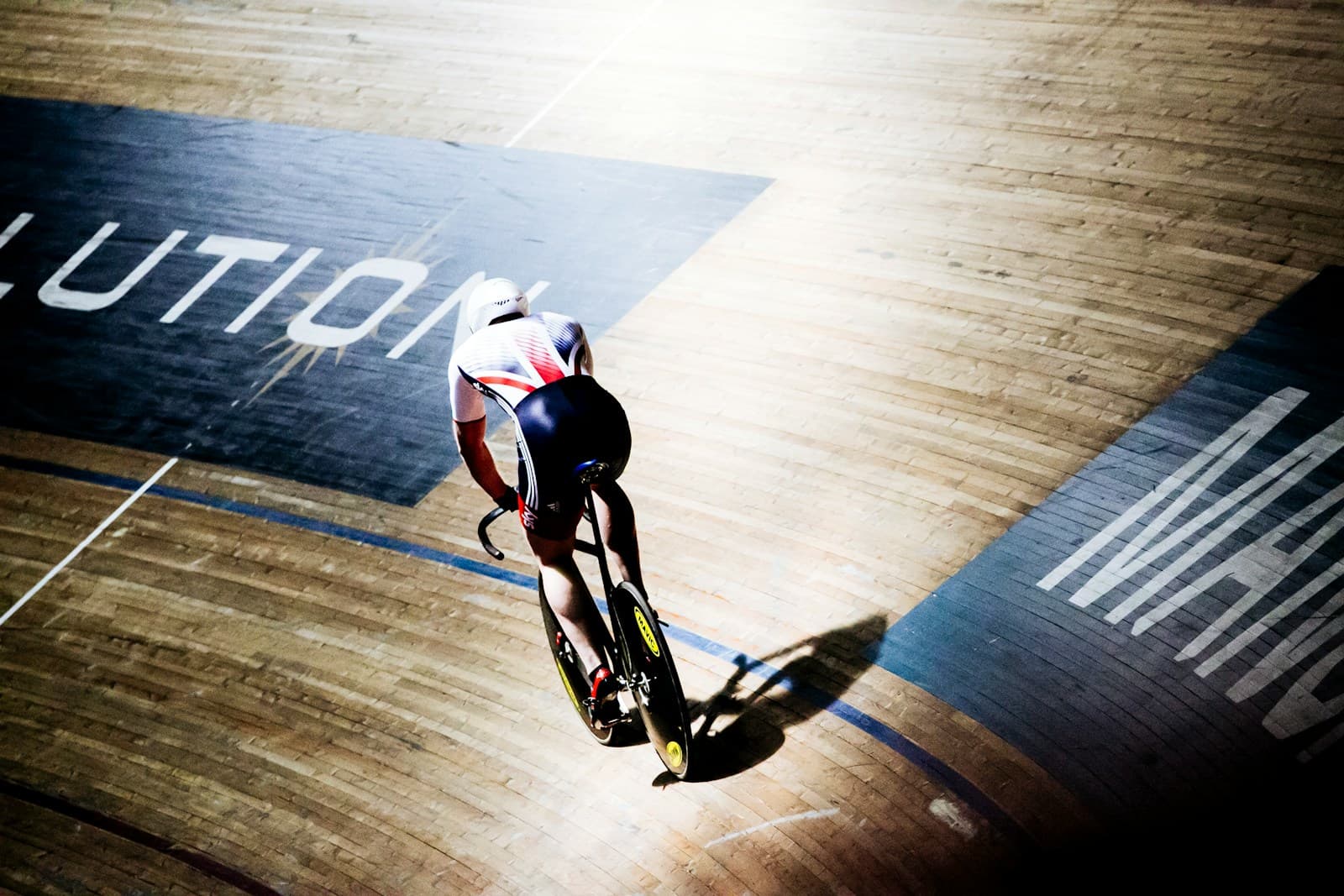
Spin studio riders who reach their 50th milestone ride have a 78% retention rate at 12 months — compared to 34% for riders who never reach 25 (Zatrovo benchmark, 2026). Milestone programs don't just reward retention; they create the habit loop that causes it. The celebration is the reinforcement mechanism, not the prize.
Why Milestone Programs Work Better Than Points Systems for Spin Studios
Points systems require active engagement to feel rewarding — riders need to track points, understand redemption, and see value in the reward catalog. Most riders don't.
Milestone programs are passive and social. A rider doesn't need to check a points balance or remember what 500 points buys. They just show up. When they hit their 50th ride, the studio celebrates it in class, texts them a message, and posts it on Instagram. The reward arrives without any effort from the rider. The social post creates public acknowledgment that compounds the private feeling of achievement.
This is the distinction between transactional loyalty (earn-and-spend points) and behavioral loyalty (habits reinforced by social recognition). Spin studios that run milestone programs retain riders at materially higher rates than equivalent studios running points programs.
What Is the Habit Loop Framework for Ride Milestones?
The Habit Loop Framework applies the cue-routine-reward model to ride milestone design.
Cue: The approaching milestone. When a rider is 3–5 rides away from a milestone, the studio sends a notification: "You're 4 rides from your 50th. See you this week?" The cue creates anticipation and nudges attendance.
Routine: Attending class. The behavior the studio is reinforcing. The cue prompts the routine; the milestone makes the routine feel purposeful.
Reward: The milestone celebration. In-class acknowledgment, physical token, social post. The reward must be immediate and public — a text message a week later doesn't reinforce the behavior in the same way.
The loop then resets for the next milestone. A rider who just celebrated their 50th is 150 rides away from their 200th — but they're also only 50 rides from their 100th, which is the next near-term anchor.
How Do You Set Up the Technical Infrastructure?
The milestone program requires three technical components: ride tracking, trigger automation, and social workflow.
Ride tracking: Your management software should log every class attendance automatically. Ride count per member should be visible in the member profile. Zatrovo and similar platforms track this natively — no manual counting required.
Trigger automation: When a rider hits a milestone, the system should automatically send a congratulatory message and flag the upcoming class attendance for instructor notification. This is a standard automation rule: "When attendance count reaches [25/50/100/250/500], send notification to member and alert instructor."
Social workflow: Create a consent request as part of the milestone communication: "Congratulations on your 50th ride! Can we feature you on the studio's Instagram?" A simple yes/no response. Store the consent in the member profile and use it to prepare the social post with the rider's photo (from your existing library or a quick shot in class).
What Physical Rewards Work Best at Each Milestone?
Physical rewards should be: useful, branded, and scaled to the milestone significance.
25th ride: Something small but visible — a sticker, a custom button, or a milestone tag for their water bottle. The point is marking the moment, not the cost of the item. $2–$5 per rider.
50th ride: A more substantial branded item — a high-quality water bottle, a studio hat, or an anniversary card from the instructor. This is the milestone most often photographed and posted by riders. $12–$25 per rider.
100th ride: Premium branded item — a studio cycling jersey, an engraved keychain, or a custom bag. The item should feel genuinely celebratory, not just functional. $25–$60 per rider.
250th and 500th: Custom recognition items that signal status — a numbered hall-of-fame tag, an engraved plaque, or a lifetime branded item that identifies the rider's achievement permanently. $40–$100 per rider.
The economics work: a 100th-ride gift at $40/rider applies to riders who have been consistently attending for 12–24 months, depending on frequency. They have generated $2,000–$5,000 in membership revenue over that period. A $40 recognition investment at that milestone is trivially justified.
How Do You Segment Milestones for Different Rider Types?
Recreational riders and committed riders have different ride trajectories. A rider attending twice a week reaches their 50th ride in six months. A rider attending once a week takes 12 months.
The milestone program should not feel like it takes too long to reach the first recognition event. If once-weekly riders need 12 months to hit 50 rides, the first meaningful milestone is too far away. Consider creating a parallel track — a "monthly streak" milestone that rewards consecutive weeks of attendance alongside the cumulative ride count.
For the full retention framework, see the fill your spin studio guide and the spin rider retention guide. For re-engagement of lapsed riders, see the spin win-back guide.
Run your studio on Zatrovo
Track ride counts automatically, trigger milestone alerts, and run your loyalty program from the same platform as scheduling and billing.

We write playbooks for studio operators — based on data from thousands of studios running on Zatrovo across pilates, yoga, lash, nail, massage, salon, dance, and fitness.
Related reading
Spin Rider Retention: The Bike Preference Data That Predicts Dropout
Attendance and bike preference patterns that identify at-risk riders 4 weeks before they cancel — and the instructor check-in that reverses it.
Win Back Lapsed Spin Riders: The Post-Absence Offer That Gets Them Back on the Bike
A win-back sequence for spin riders who've gone quiet — timed to seasonal motivation peaks and framed around return, not failure.
Switching Spin Studio Software Without Losing Bike Preferences or Membership Billing
A migration plan that preserves bike seat preferences, ride history, and recurring billing during a spin studio software switch.