Spin Private Coaching: Positioning Premium Sessions That Don't Cannibalize Group Classes
Private spin session pricing that earns premium margin without giving regular riders a reason to skip group classes.
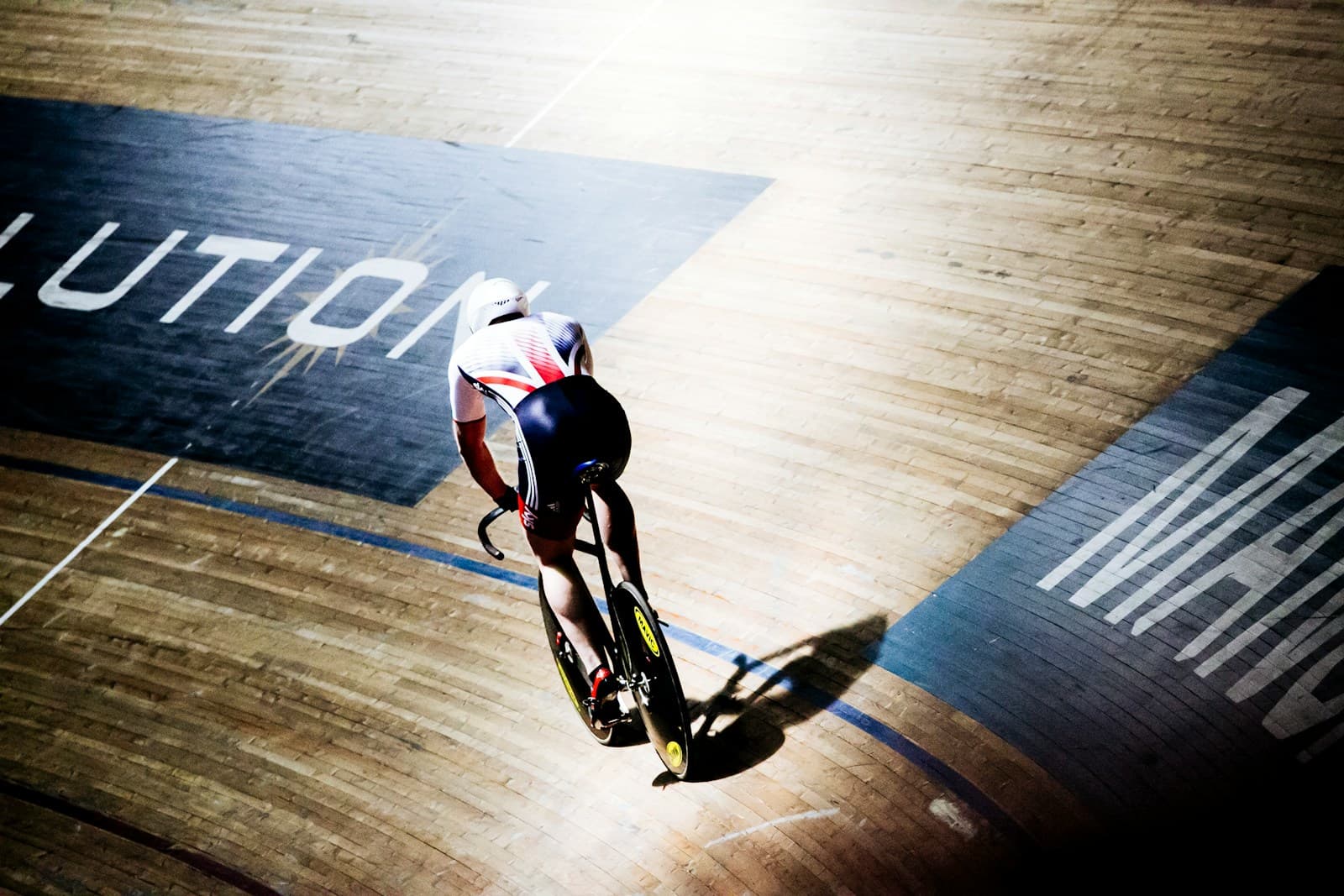
Private spin sessions priced below 2.5x the group drop-in rate don't feel like a premium product — they feel like a more expensive group class. At 2.5x or above, with a defined performance outcome and off-peak scheduling discipline, private coaching adds $800–$1,500/month in studio revenue without competing with your core class product. The Premium Position Framework shows how to build and price it correctly.
Why do most spin studios underprize private sessions?
The instinct is to anchor private pricing to what seems "fair" relative to group classes. If a group class is $28, charging $120 for a one-on-one feels hard to justify. So studios price it at $50 or $65 — and then struggle to communicate why anyone should pay double for the same bike in the same room.
The problem is framing, not pricing. A private session priced at $120 isn't a $28 class with the other riders removed. It's a coached training session with a specific performance objective, personalized feedback, and a training plan calibrated to the individual. That's worth $120. It's not worth $50.
The studios that build profitable private programs price first, then build the product to match. The ones that build the product first and price last undervalue it every time.
What is the Premium Position Framework for private spin?
The Premium Position Framework structures private coaching as a distinct product with three defining differences from group classes: a personalized training goal, a performance baseline, and outcome tracking.
Step 1: Define the training goal. Private clients book because they want something specific — triathlon prep, post-injury return to fitness, learning the basics before joining group classes. The intake process (even just a brief intake form) captures this goal and anchors the coaching to an outcome.
Step 2: Establish a performance baseline. An FTP test, cadence and power zone mapping, or a posture and positioning assessment gives the coach and client a reference point. Every subsequent session can reference whether the client is improving against that baseline.
Step 3: Track and report outcomes. Share session data with the client — average power, cadence consistency, heart rate zones, week-over-week improvement. This is easily available on modern spin bikes and takes 2 minutes to summarize post-session. The data transforms the experience from "a workout" to "a training program."
The Premium Position Framework justifies $85–$150/session because clients can see what they're paying for and whether they're getting it.
What should private spin pricing look like by market?
How do you prevent private sessions from cannibalizing group classes?
Three scheduling and pricing rules prevent cannibalization:
Rule 1: Off-peak slots at standard pricing; prime-time slots at a premium. Clients who need prime-time slots pay $20–$30 more per session. This creates a financial incentive for the studio to preserve those slots for group classes (where revenue per bike is higher) while still serving clients who genuinely need evening availability.
Rule 2: Private clients should also hold a group class membership. Studios that require private clients to maintain at least a base-level group membership (or sell a small "private-only" monthly access fee) prevent the scenario where a rider replaces all group class attendance with private sessions. The group membership creates ongoing class attendance.
Rule 3: Private session cadence cap. Recommend a maximum frequency for private sessions — typically one per week for general fitness clients, two per week for event preparation clients. Clients attending private sessions daily have no community relationship with the studio, which reduces retention when the training goal is achieved and the private program ends.
What makes a private spin program worth the premium?
The elements that justify premium private pricing, in order of client-reported importance:
- Personalized coaching feedback — specific, actionable form and technique correction that isn't possible in a group class setting
- Schedule flexibility — booking the exact time the client needs, not working around the group timetable
- Outcome tracking — data that shows week-over-week improvement
- Quiet, focused environment — no group energy, no music battles, no shared attention from the instructor
The third element is worth investing in. If your studio's spin bikes provide power output, cadence, and heart rate data, a post-session summary (even a screenshot with written notes) takes five minutes and dramatically increases perceived value. Clients who receive session data are significantly more likely to rebook.
For a full overview of spin studio revenue structures, see the fill your spin studio playbook and the spin class pricing guide. For spin instructor compensation, see spin instructor pay.
Run your studio on Zatrovo
Manage spin class schedules, private bookings, and member accounts on one platform.
Sources:
- TrainingPeaks: Indoor Cycling Coaching Guide — TrainingPeaks, 2024
- USA Cycling Coaching Certification — USA Cycling, 2024

We write playbooks for studio operators — based on data from thousands of studios running on Zatrovo across pilates, yoga, lash, nail, massage, salon, dance, and fitness.
Related reading
Spin Studio First Ride Offers: The Format That Converts Curious Riders to Subscribers
First ride pricing structures — discounted, free, or intro pack — with the follow-up sequence that converts them before the post-ride high fades.
Spin Class Pricing: Per-Ride Rates and Membership Tiers That Fill Every Bike
Per-ride and membership tier structures for spin studios — with the utilization math that shows which model fills more bikes per week.
Spin Studio Membership Pricing: Unlimited Rides vs Ride-Count Plans — Which Fills More Bikes
Unlimited vs 5-ride vs 10-ride plan analysis for spin studios — with the data on which tier converts first-timers and retains regulars.