Spin Studio Business Plan: Bike Utilization and Break-Even by Class Count
A business plan model for spin studios at 20, 35, and 50 bikes — with utilization targets, instructor cost, and break-even class count.
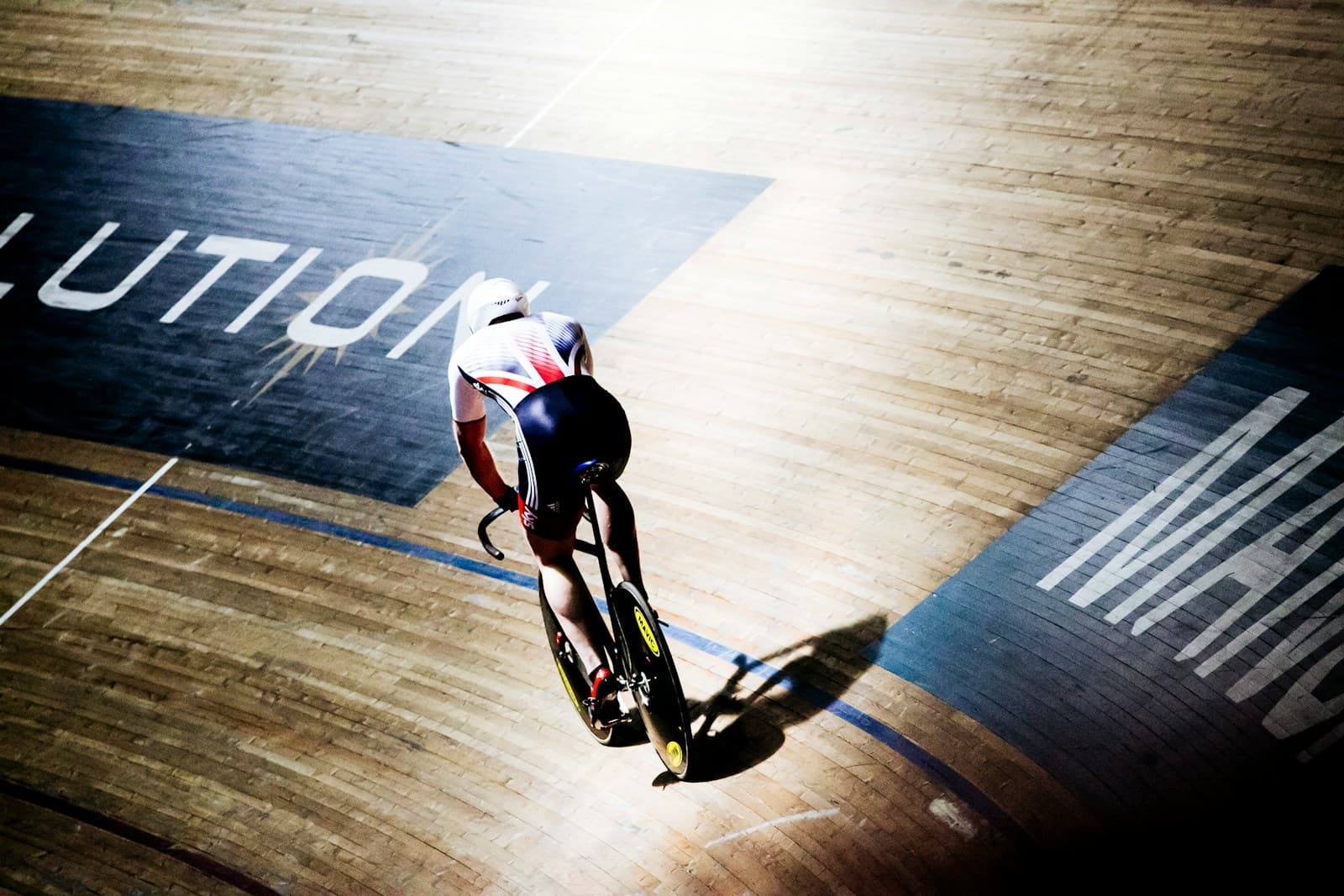
Spin studio economics are almost entirely a function of bike utilization rate. A business plan that models revenue without a specific utilization assumption is a guess in numerical form. At 35 bikes and 60% utilization, you break even. At 75% utilization, you clear strong margins. This model shows what each scenario looks like at 20, 35, and 50 bikes.
Why Bike Utilization Is the Only Number That Matters
Most boutique fitness business models have multiple independent revenue drivers: membership count, retail, events, workshops. Spin studios have one: how many of your bikes are filled in how many classes per week.
Fixed costs in a spin studio — rent for the studio space, bike depreciation or lease payments, instructor pay, and overhead — do not change materially based on whether each class has 15 riders or 30. Revenue scales directly with occupied bike-class sessions. The result is an unusually clean economic model: every percentage point of utilization improvement translates directly into margin.
A 35-bike studio running 50 classes per week at 55% utilization versus 75% utilization:
- 55% utilization: 35 × 50 × 0.55 × $22 = $21,175/week = $84,700/month
- 75% utilization: 35 × 50 × 0.75 × $22 = $28,875/week = $115,500/month
The delta is $30,800/month — from a 20-point utilization improvement, with zero change in fixed costs.
What Does a 20-Bike Studio Look Like Financially?
A 20-bike studio is the entry-point format — typically a single studio in a smaller space, optimized for intimate class experience.
Physical setup: 800–1,200 sqft, 20 bikes in rows or theater configuration. Monthly rent: $2,500–$5,500.
Revenue model by utilization scenario:
The 20-bike studio achieves strong margins when utilization is high — but the revenue ceiling is real. At full capacity (85% utilization, 40 classes/week), the studio generates approximately $30,000/month. There is limited room to grow beyond that without adding a second room or second location. Know the ceiling before you sign the lease.
What Does a 35-Bike Studio Look Like Financially?
The 35-bike studio is the most common mid-market format — enough scale to support a real team and generate meaningful owner income.
Physical setup: 1,400–2,000 sqft dedicated studio space, 35 bikes in tiered or flat rows. Monthly rent: $4,500–$9,000.
At 62% median utilization, a 35-bike studio generates strong owner income. The break-even utilization rate at typical fixed costs ($18,000–$22,000/month for a well-staffed studio) is approximately 50–55% — leaving 7–12 percentage points of margin buffer at the median.
Instructor cost at 35 bikes:
What Does a 50-Bike Studio Look Like Financially?
A 50-bike studio is a destination-scale operation — typically in a premium urban market, running multiple daily peak slots.
Physical setup: 2,000–3,000 sqft, often with premium features (sound system investment, lighting rig, branded environment). Monthly rent: $7,000–$15,000.
At 65% utilization and 60 classes/week at $22/rider: 50 × 0.65 × 60 × $22 = $42,900/week = $171,600/month. With fixed costs of $35,000–$45,000/month, net margin runs 26–38% at steady state.
The 50-bike studio requires a management layer that smaller studios don't: a studio manager or general manager separate from the owner, a formal instructor team with schedules and coverage policies, and systematic retention programs to maintain utilization against a larger fixed cost base.
What Are the Startup Costs for a Spin Studio?
Bikes are the dominant startup cost line — significantly more capital-intensive than most fitness formats.
Commercial spin bikes: $1,500–$4,000 per bike depending on brand and specification. A 35-bike studio at $2,500/bike: $87,500. Options include purchasing outright, equipment financing, or leasing — each with different implications for monthly cash flow and balance sheet.
Studio fit-out: Sound system for a spin studio is a major investment relative to floor space — expect $8,000–$20,000 for quality audio that fills the room at performance levels. Lighting: $3,000–$10,000 for a programmed lighting rig. Flooring: $3,000–$6,000 for rubber or specialty flooring.
For instructor pay benchmarks, see the spin instructor pay guide. For class pricing structures, see the spin class pricing guide. For the full operational playbook, see the fill your spin studio guide.
Run your studio on Zatrovo
Zatrovo tracks bike utilization, manages class scheduling, and handles billing for spin studios at any size.

We write playbooks for studio operators — based on data from thousands of studios running on Zatrovo across pilates, yoga, lash, nail, massage, salon, dance, and fitness.
Related reading
Opening a Spin Studio: Bike Count, Acoustic Build-Out, and the 60% Utilization Target
The bike count, acoustic treatment, and break-even utilization target that determine spin studio viability before signing a lease.
Spin Class Scheduling: Bike Utilization Targets and Peak-Hour Logic That Maximize Revenue
Class schedule design that hits bike utilization targets — the number that determines whether a spin studio is profitable.
Beauty Studio Business Plan: Revenue Model for 1-Room and 3-Room Studios
A business plan framework for single-room and three-room beauty studios — with treatment revenue, retail margin, and break-even timeline.