Opening a Dance Studio: Floor Space, Disciplines, and the First 50 Students
The floor space, sprung floor decisions, and discipline mix that determine whether a dance studio is viable before signing a lease.
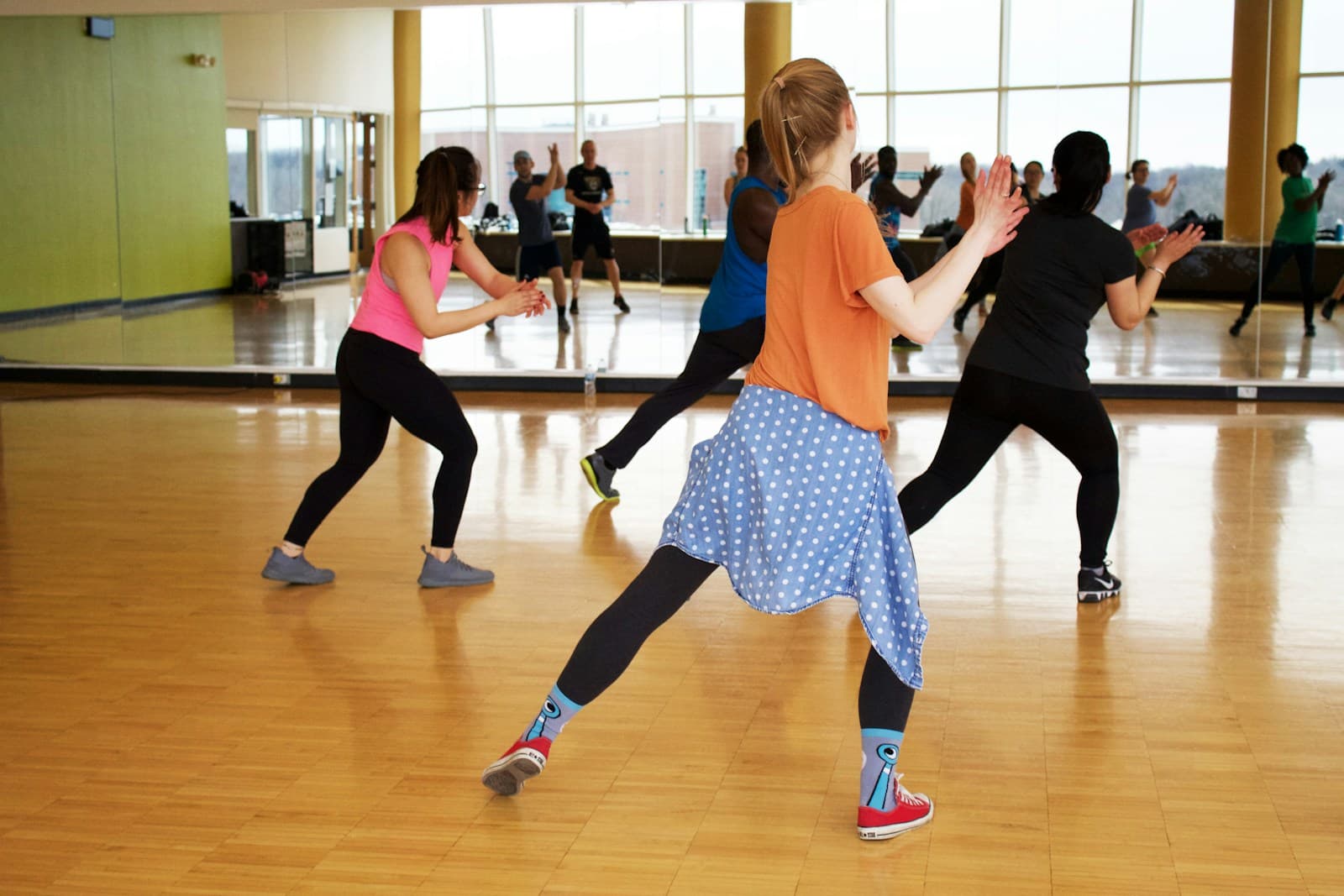
A dance studio that opens without a sprung floor in its primary room faces three compounding problems: higher injury rates, instructor recruiting friction, and insurance premiums that eat margin before the first recital. The floor decision, the space sizing, and the discipline selection all happen before lease signing — and most first-time studio owners learn the tradeoffs too late.
What Does Viable Space Look Like for a Dance Studio?
The minimum workable size for a single dance studio room is 800 sqft, but 1,000–1,200 sqft is the functional sweet spot for a class of 12–18 students.
Dance requires more per-student floor space than most group fitness formats. A yoga class needs 21 sqft per student. A ballet or contemporary class needs 35–50 sqft once you account for extension, jumps, and traveling movements. A hip hop or acro class needs even more.
The tension is real: too small and you cap your class sizes before demand peaks; too large and fixed costs sink you before enrollment matures. The practical answer: size for your 12-month enrollment target, not your 3-year vision. Most studios can add a second room or expand their lease when they're ready — breaking a lease early is far more expensive than waiting.
Sprung Floor vs. Hardwood on Concrete: What's the Real Difference?
The difference is measured in instructor retention, injury rates, and insurance costs.
A sprung floor uses a floating subfloor — either a basket-weave system or foam padding layer — beneath a hardwood or Marley surface. The spring absorbs shock on landings, reduces repetitive stress injuries, and allows dancers to work comfortably for longer sessions.
The installed cost premium for a proper sprung floor ($10,000–$20,000 over basic hardwood) is recoverable within two to three years through lower insurance costs, reduced instructor turnover, and higher word-of-mouth referrals from professional dancers who recommend the studio. Skip it and you'll spend the money on a different problem.
For insurance specifically: contact your carrier before signing the lease and ask specifically whether floor construction affects your general liability and professional liability rates. Many carriers require sprung floors for studios teaching ballet or acrobatics to underwrite at standard rates.
Which Disciplines Should You Open With?
Open with two or three disciplines. Not five.
The discipline mix decision is driven by three inputs: your instructor relationships, local market demand, and the floor space you're starting with. If you have a strong ballet instructor and local demand for structured kids' dance education, start with ballet + creative movement for young students + one adult recreational format.
How Much Does It Cost to Open a Dance Studio?
The startup cost for a modest single-room dance studio (1,000 sqft, one discipline, two instructors) ranges from $35,000 to $85,000. Most of that goes into three categories: leasehold improvements, floor installation, and pre-opening cash reserves.
The operating reserves line is the most frequently underestimated. Month one rarely covers fixed costs. Most new studios take three to six months to reach break-even enrollment. If you open with no reserve, you're funding the gap from personal savings under pressure — a position that forces bad decisions on pricing and staffing.
What Are the Licensing and Business Structure Requirements?
You need a business entity, a business license, and potentially state-specific requirements depending on your disciplines and whether you teach minors.
The minimum setup:
- LLC or S-Corp formation (vary by state, typically $50–$500 filing fee)
- EIN (federal, free)
- Business license from your city or county ($50–$300 annually)
- Certificate of occupancy for your studio space (required for commercial use; your landlord should provide or your city building department issues)
For studios teaching minors, check your state's requirements for background checks on staff. Most states require it; enforcement varies. Carry it out proactively — it's a liability shield and a marketing asset with parents.
Dance-specific insurance: general liability at $1–$2 million coverage is the minimum. Add professional liability (covers instruction-related injuries) and property coverage. Annual premiums for a single-room studio typically run $1,500–$3,500.
How Do You Get the First 50 Students?
Fifty enrolled students is the number that covers break-even costs for most single-room dance studios. Getting there before month three determines whether you launch with momentum or spend the first six months in survival mode.
The pre-enrollment sequence that works:
- Build a waitlist 8–10 weeks before opening, with a $25–$50 deposit per family.
- Host one free open house or sample class event — invite everyone on the waitlist.
- Offer a founding member discount (10–15% off first year tuition) for the first 30 families who enroll with a deposit.
- Set a firm opening date and communicate it clearly.
The deposit requirement is the single most important filter. It separates families who are genuinely considering enrollment from those who signed up out of polite interest. A $25 deposit at registration filters your list from 150 names to 40 serious prospects. Converting 50 of those to enrolled students is achievable in a tight pre-opening window.
For a deeper look at building the business case before you sign, see the dance studio operations playbook and our guide to dance class pricing.
What Does Month One Operations Look Like?
The first month will surface three things: scheduling problems you didn't anticipate, at least one instructor availability issue, and the gap between your projected and actual enrollment.
Build a simple operating protocol before you open:
- Class schedule published and frozen two weeks in advance
- Instructor confirmation required 72 hours before each class
- Cancellation notification protocol (see schedule change notifications)
- Enrollment tracking by discipline, not just total headcount
The enrollment split by discipline tells you which classes to grow and which need promotion. A ballet class at 90% capacity and a hip hop class at 30% capacity are not averaged — they're two different problems requiring different responses.
Run your studio on Zatrovo
Scheduling, tuition billing, and enrollment management for dance studios from day one.

We write playbooks for studio operators — based on data from thousands of studios running on Zatrovo across pilates, yoga, lash, nail, massage, salon, dance, and fitness.
Related reading
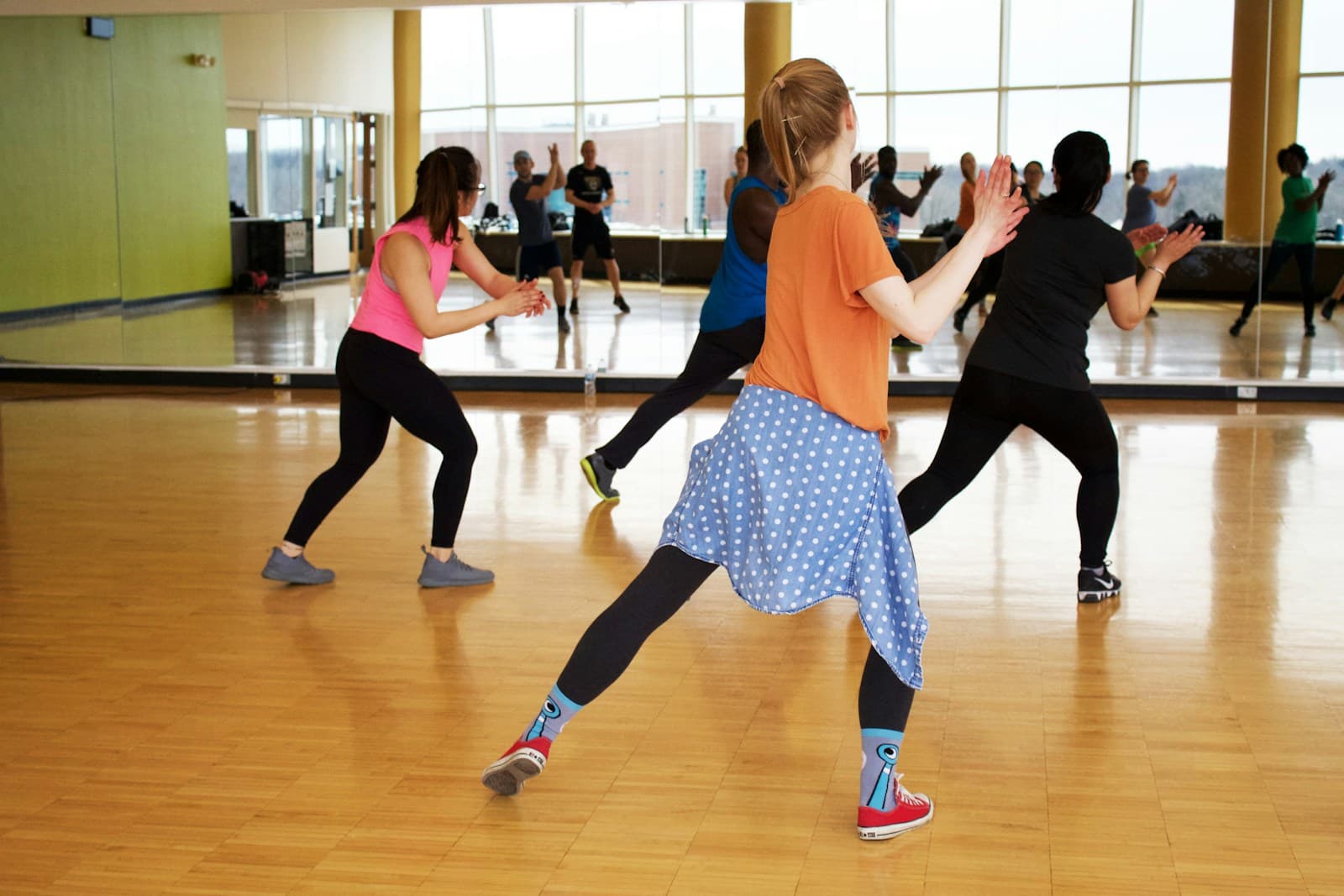
Dance Studio Business Plan: Enrollment Targets and Revenue by Room Count
Business plan model for 1-room and 3-room dance studios — with enrollment targets, recital revenue, and break-even by month.

Opening a Beauty Studio: Treatment Room Count, Equipment Cost, and the Permit Reality
The treatment room count, equipment cost, and licensing requirements that determine beauty studio viability before signing a lease.
Opening a Spin Studio: Bike Count, Acoustic Build-Out, and the 60% Utilization Target
The bike count, acoustic treatment, and break-even utilization target that determine spin studio viability before signing a lease.