Dance Class Pricing: Rate Structures for Ballet, Hip Hop, and Competitive Studios
Pricing frameworks that account for class length, instructor seniority, and discipline — so your schedule isn't subsidizing itself.
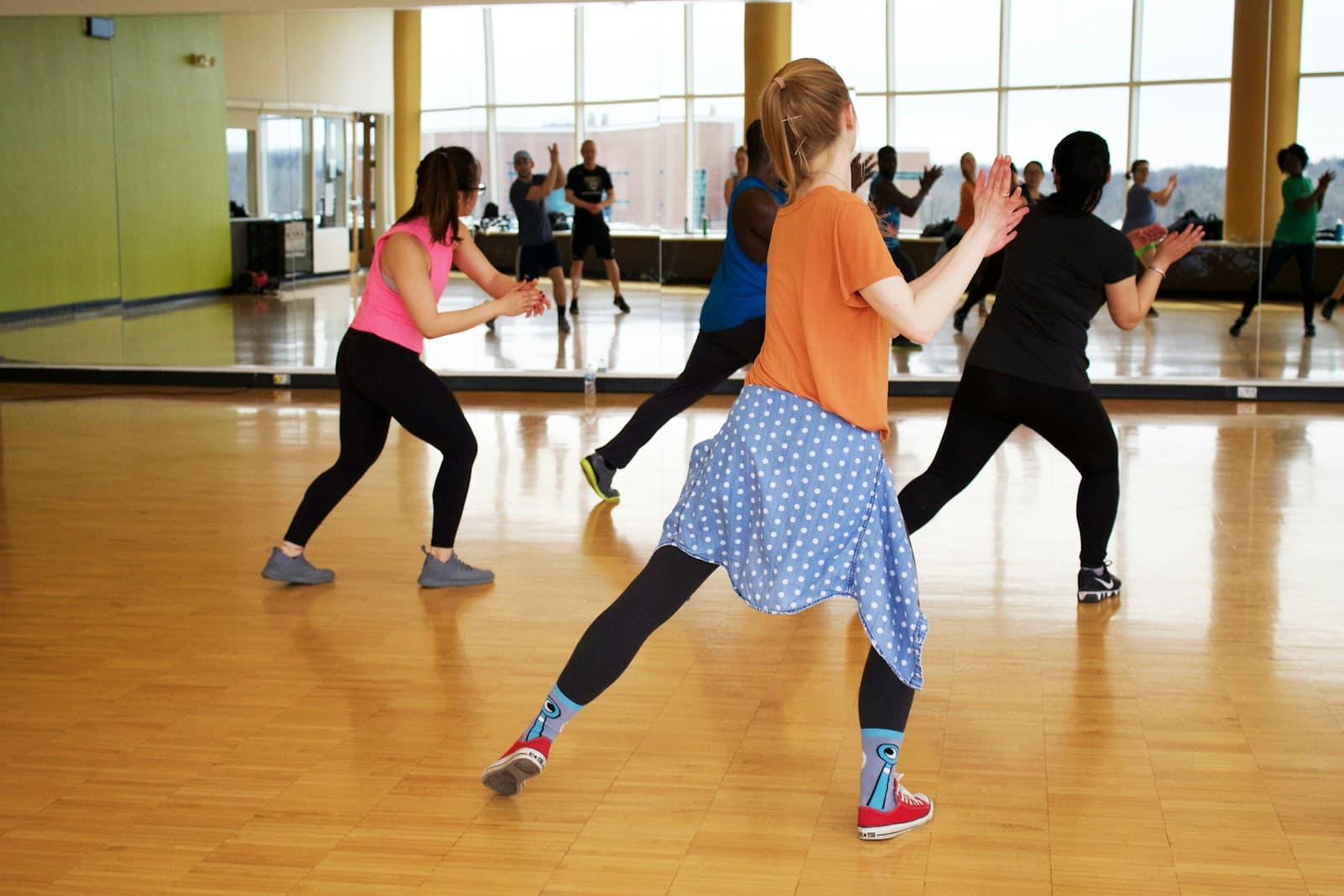
Recreational students should not subsidize competitive team costs. That's the core principle behind discipline-based dance pricing — and it's the one most studios get wrong. A ballet student taking 2 hours per week and a competitive hip hop team member attending 8 hours per week should not pay the same monthly tuition. Here's how to build a rate structure that reflects actual program costs.
Why Discipline-Based Pricing Matters
Most dance studios set tuition based on hours per week, not discipline. The problem: instructors for different disciplines have very different qualification requirements and market rates, class sizes vary dramatically, and competitive team programming costs far more to run than recreational classes.
When tuition doesn't reflect discipline, recreational students subsidize competitive students — and competitive families expect more without paying for it.
What Are Current Dance Tuition Benchmarks?
How Do You Price Competitive Team Tuition Separately?
Competitive team students use the studio differently from recreational students. They attend more hours, they need additional rehearsal time, and their presence drives higher instructor costs.
The Recreational + Competitive Split Model maintains two separate pricing tracks:
Track 1 — Recreational tuition. Covers weekly classes only. Standard tuition by discipline and frequency. No rehearsal time. No competition participation.
Track 2 — Competitive tuition. Covers all classes in the competitive team program including technique classes, group rehearsals, and performance prep. Priced at 1.5–2.0x the equivalent recreational tuition for the same number of hours.
The key rule: costume costs, competition registration fees, and travel are always separate from tuition. Bundling them into tuition creates confusion, makes pricing opaque, and causes sticker shock when families see a competition registration add $400 to their monthly spend.
How Do You Structure Age-Specific Pricing?
Young children (ages 3–8) are a distinct pricing tier. Combo classes (ballet + creative movement) for this age group are typically shorter (45–60 minutes), lower intensity, and commanded by different rate expectations from parents.
Age-tier pricing guide:
- Ages 3–5 (combo/creative): $60–$90/month, 1 class/week, 45-minute class
- Ages 6–8 (intro dance, beginner ballet/hip hop): $70–$100/month, 1–2 classes/week
- Ages 9–12 (multi-discipline, technique focus): Standard discipline rates
- Ages 13+ (pre-professional track, competitive team): Full discipline rates + competitive add-on
Annual registration fee ($25–$60) applies to all students at enrollment, auto-renews annually.
How Do You Handle Recital and Performance Fees?
Recital is a separate revenue event — don't include it in tuition.
Standard recital fee structures: $50–$150 per student participation fee, costume costs (typically $60–$180 per costume, $100–$250 for competitive), and ticket sales for family attendance.
Communicate recital fees at enrollment, not in the spring when the bill arrives. Families who are surprised by a $300 costume + participation bill in March become angry clients. Families who enrolled knowing the approximate annual cost are prepared.
What Is the Instructor Pay Impact on Pricing?
Ballet instructors typically command higher rates than recreational style teachers because of qualification requirements (RAD, Cecchetti, Vaganova certifications). Competitive team choreographers are often the highest-paid on a per-hour basis.
Your pricing floor: instructor cost per student per class × 3.0 to preserve margin after rent, utilities, and overhead.
If a ballet instructor earns $45/class and you run 12 students per class, instructor cost is $3.75 per student. Price floor: $11.25 per class. Monthly tuition for 2 classes/week: $90 minimum to stay above the floor. Actual market rate is $155–$220 — well above the floor, which gives you the margin for rent and ownership pay.
For teacher pay rate benchmarks, read our dance teacher pay rates guide. For how membership models work alongside tuition at dance studios, see our dance studio membership pricing guide. And for the full operational overview, start with our dance studio ops playbook.
Run your studio on Zatrovo
Manage dance studio tuition, competitive team billing, and scheduling on one platform.

We write playbooks for studio operators — based on data from thousands of studios running on Zatrovo across pilates, yoga, lash, nail, massage, salon, dance, and fitness.
Related reading
Private Dance Lesson Pricing: Solo Coaching Rates That Justify the Premium
Private lesson pricing that accounts for peak demand, instructor seniority, and competition season timing.
Dance Studio Trial Classes: The Follow-Up That Converts Watchers to Enrolled Students
Trial class structure and the 24-hour follow-up sequence that moves families from curious to enrolled.
Dance Studio Membership Pricing: Monthly Tuition vs Class Pack for Every Age Group
The tuition vs class pack decision broken down by age group and discipline — with the conversion math that tells you which wins.