How to Run a Dance Studio Without Burning Out: Ops Playbook
The tuition model, recital margins, and retention moves that keep dance studio owners from burnout in 2026.
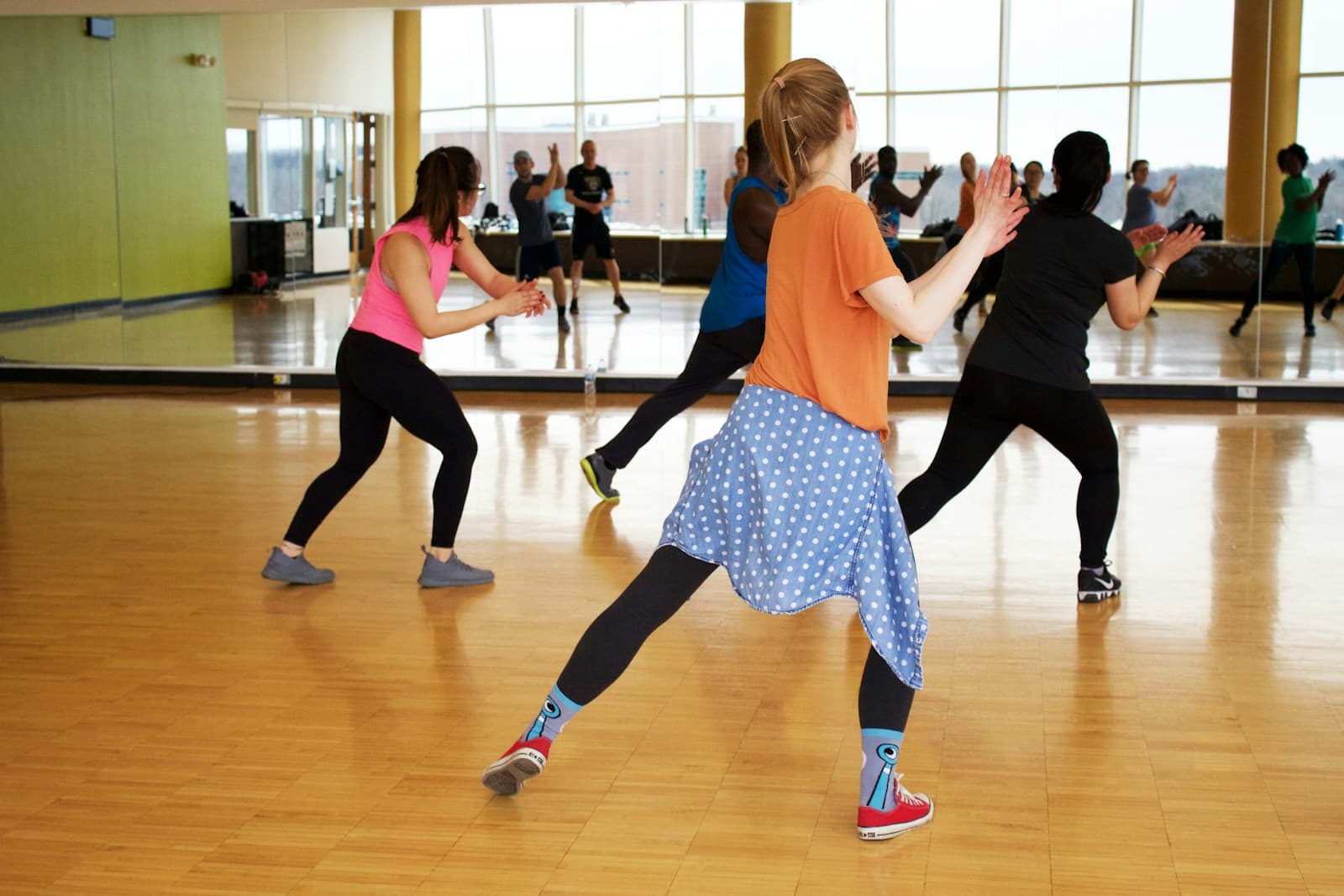
Dance studio owners who stay in the business past year five share one pattern: they stopped treating recitals as their primary revenue event and started treating monthly tuition retention as the business. The retention math is simple — a student enrolled for three years at $110/month is worth $3,960. Keeping that student is worth more than any recital ticket sale.
What Does a Sustainable Dance Studio Business Model Look Like?
The studios that survive past five years run on monthly tuition, not per-session billing or term fees.
Monthly auto-billing creates the revenue floor that pays rent when summer enrollment drops. It removes the decision point where families consciously choose whether to re-enroll each month. And it aligns your revenue to the academic year — the real rhythm of a dance studio — rather than to individual class purchases.
How Do You Set Tuition Without Undercharging?
Start with your cost floor, not your competitor's pricing.
Calculate your monthly fixed costs (rent, payroll, software, insurance, utilities). Divide by your target enrollment. That's your revenue per student floor. If fixed costs are $8,000/month and you want 80 enrolled students, you need $100/student minimum. Then add margin. Then check what the market will bear.
Most first-time dance studio owners price by looking at competitors. That approach inherits their mistakes. A competitor priced at $85/month may be losing money. Price to your own numbers first.
One structural rule: charge a registration fee. A $25–$50 annual registration fee is not about revenue — it's a commitment signal. Families who pay a registration fee re-enroll at significantly higher rates than those who don't. The friction filters out casual inquirers and anchors the relationship.
Is Recital Revenue a Real Profit Center or an Illusion?
Recitals are retention tools dressed as revenue events. The direct economics rarely work.
A typical studio recital with 120 students, venue rental, sound technician, programs, and staff time costs $8,000–$15,000 to produce. Ticket sales at $20/ticket with four family members average $80/student — $9,600 on 120 students. Before costume fees and photography add-ons, you're at break-even or a small loss.
The real recital ROI is the re-enrollment it drives. Students who perform re-enroll at 70–80% rates. Non-performers re-enroll at 40–55%. The recital creates a six-week retention lock — mandatory rehearsal attendance — that functions as a commitment device for the following year.
What's the Right Enrollment Cap for Each Class?
The right class size is the largest that doesn't compromise technique — which is different for every discipline and age group.
The minimum profitable size is the point where class revenue exceeds instructor pay plus a proportionate share of overhead. If you're consistently running classes below minimum profitable size, you have three options: merge them, cancel them, or identify why demand is low and fix it.
How Do You Structure a Schedule That Doesn't Exhaust You?
The sustainable dance studio schedule is built around peak demand hours, not around filling every available room slot.
Peak demand for recreational dance is weekday afternoons (3–7pm) and Saturday mornings. Those hours should be fully utilized before you open any other slots. A schedule of 30 classes crammed into every available hour looks full but runs empty — and exhausts you managing it.
Start with 20–25 classes per week in year one. Fill them to 70%+ average attendance. Then expand. The studios that run 45 classes/week in year one with 35% average attendance are burning instructor payroll on empty rooms.
What Does Teacher Pay Structure Look Like?
The two most common models are hourly rate and per-class flat rate. Both work. The choice depends on your cash flow predictability needs.
Per-class flat rate. You pay the same whether the class has 4 students or 18. Predictable for you. Common rates: $20–$35 for recreational classes, $35–$60 for competition coaching. The risk: you pay full rate for chronically underpopulated classes.
Percentage of class revenue. Aligns teacher pay to attendance. Typical range: 30–45% of class revenue. Risk: teachers resist low-enrollment classes; payroll is harder to forecast.
The Two-Tier Teacher Structure handles this well. New teachers start on per-class flat rate. Once they consistently fill classes to 75%+ capacity for two consecutive terms, they move to a higher flat rate plus a small percentage of revenue above a fill threshold. This rewards the teachers who build client loyalty and keeps your payroll sustainable when a class underperforms.
One hard limit: instructor payroll should not exceed 40% of gross revenue. Dance studios run higher than pilates or yoga because of the recital-heavy calendar, but above 45% the margin disappears.
How Do You Retain Students Between Recitals?
The gap between recitals is where churn happens. The students who quit in November or February are never thinking about the spring recital — they're thinking about whether the Tuesday class is still worth the drive.
Three retention levers that work between recitals:
Milestone acknowledgment. A certificate, a sticker, a new color in their class — something tangible that marks progress. Dance students are largely children. Visible progress signals matter more than adults give them credit for. The studios with the highest retention run a formal milestone acknowledgment twice per year outside recital season.
Parent visibility. Schedule one observation week per session where parents watch class from the waiting room. This creates buy-in, showcases progress, and reminds parents what they're paying for. Studios that do this report meaningfully lower mid-year quit rates.
Sibling and referral incentives. The easiest new enrollment to get is the sibling of a current student. A clear referral policy — one month free tuition for referring a family that enrolls — generates 10–20% of new enrollments at zero acquisition cost in well-run dance studios.
What Software Does a Dance Studio Actually Need?
A dance studio needs scheduling, billing, and parent communication. Everything else is optional until you're past 100 enrolled students.
The core requirements are different from a fitness studio because of the recital billing cycle, the age of your students (parents are the clients, not the dancers), and the academic-year rhythm rather than the monthly-recurring model.
Look for:
- Monthly auto-billing with annual registration fee support
- Parent portal for schedule visibility and payment history
- Class roster and attendance tracking per instructor
- Make-up class tracking (critical for families who expect them)
- Basic reporting: enrollment by class type, attendance by instructor, month-over-month retention
Platforms commonly used in the dance studio market include Jackrabbit Dance, DanceStudio-Pro, Mindbody, and Pike13. Jackrabbit and DanceStudio-Pro are purpose-built for the academic-year billing and recital management that dance studios specifically need. Compare them against your actual workflow, not against feature lists built for fitness studios.
For studios managing both dance and other fitness formats, see the dance studio management software guide.
How Do You Handle Summer Without Cash Flow Dying?
Summer is the cash flow gap that kills dance studios that haven't planned for it.
The fix is two-part: summer intensives and annual pre-payment incentives.
Summer intensives. A two-week intensive program (ballet, hip hop, audition prep) at $250–$500 per student fills the revenue gap and serves as a re-enrollment device. Students who attend summer intensive re-enroll in fall at 80%+ rates. Market it in February, not June.
Annual pre-payment incentive. Offer families who pre-pay the full year (September–May) a 10% discount. This generates a cash infusion in August, funds the first three months of payroll before fall cash flow builds, and locks re-enrollment. Even if only 20% of families take it, the cash timing difference is significant.
What Metrics Should a Dance Studio Track Monthly?
Four numbers. Review them at the start of each month.
Enrolled student count by age group. Not total headcount — broken down by pre-school, recreational, and competitive. This tells you which pipelines are growing and which are thinning.
Class fill rate by discipline. Average attendance divided by class capacity. Any class below 55% for two consecutive months needs a decision: merge, cancel, or promote.
Monthly churn rate. Students who quit divided by students at the start of the month. Under 2% monthly (roughly 22% annual) is the target. Above 3.5% monthly is a retention problem.
Re-enrollment conversion. At each enrollment window, track what percentage of currently enrolled students re-enrolled. Below 75% is a warning signal. Below 65% is a crisis.
For a comprehensive view of KPIs across all studio types, see the studio analytics dashboards guide.
What Are the Biggest Mistakes New Dance Studio Owners Make?
Over-spending on studio space before building enrollment. A beautiful 5,000 sqft studio with sprung floors and mirrors is a liability if you have 40 students. Start in the smallest viable space, build enrollment, then expand.
Mixing competitive and recreational programs without separation. Competitive dance culture — intensive training, expensive costumes, travel — is alienating to recreational families. Run them as separate programs with minimal overlap in scheduling and communication. They have different parents with different expectations.
No cancellation or make-up policy. Dance studios without a clear make-up class policy spend enormous time managing individual exceptions. Write the policy before you open: one make-up class per month per enrolled class, scheduled by the parent in an open make-up slot. Non-transferable to other terms. State this at enrollment.
Waiting too long to raise prices. The families you enrolled at $85/month in 2022 are anchored to that price. Raise prices annually — 5–8% — with 30 days' notice. Grandfather existing families for one year. New families pay new rates immediately. This is the same pattern that works across pilates studio pricing and every other studio vertical.
According to the Dance/USA annual field report, participation in dance education has grown steadily since 2022, with the highest growth in recreational formats and adult beginner programs. The market rewards studios that price confidently and operate with clear systems.
Run your studio on Zatrovo
Scheduling, tuition billing, recital management, and parent communication on one platform.

We write playbooks for studio operators — based on data from thousands of studios running on Zatrovo across pilates, yoga, lash, nail, massage, salon, dance, and fitness.
Related reading
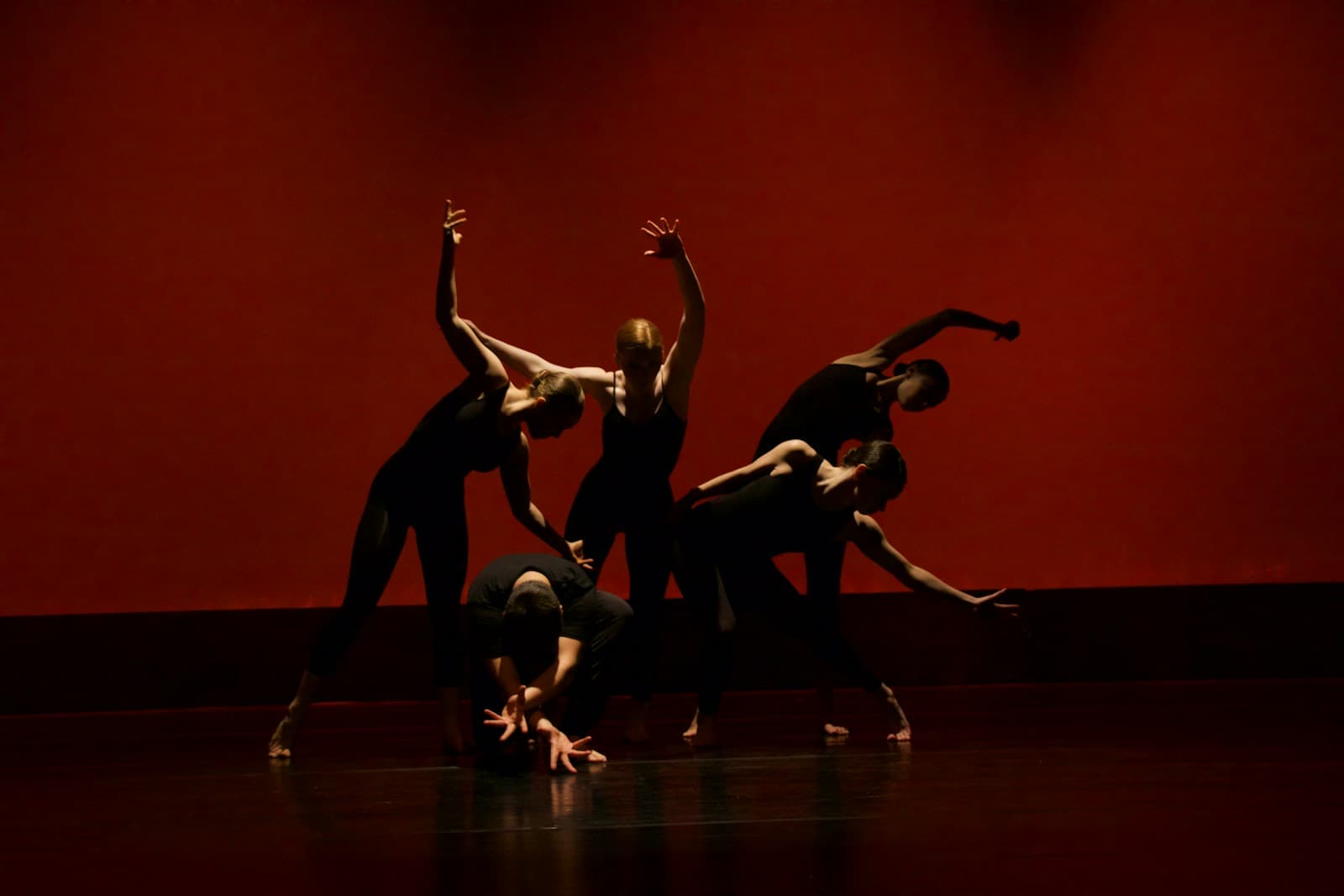
Dance Recital Planning: The 12-Week Timeline That Removes Last-Minute Chaos
A 12-week production timeline for dance studio recitals — from venue booking to costume deadline to tech rehearsal.
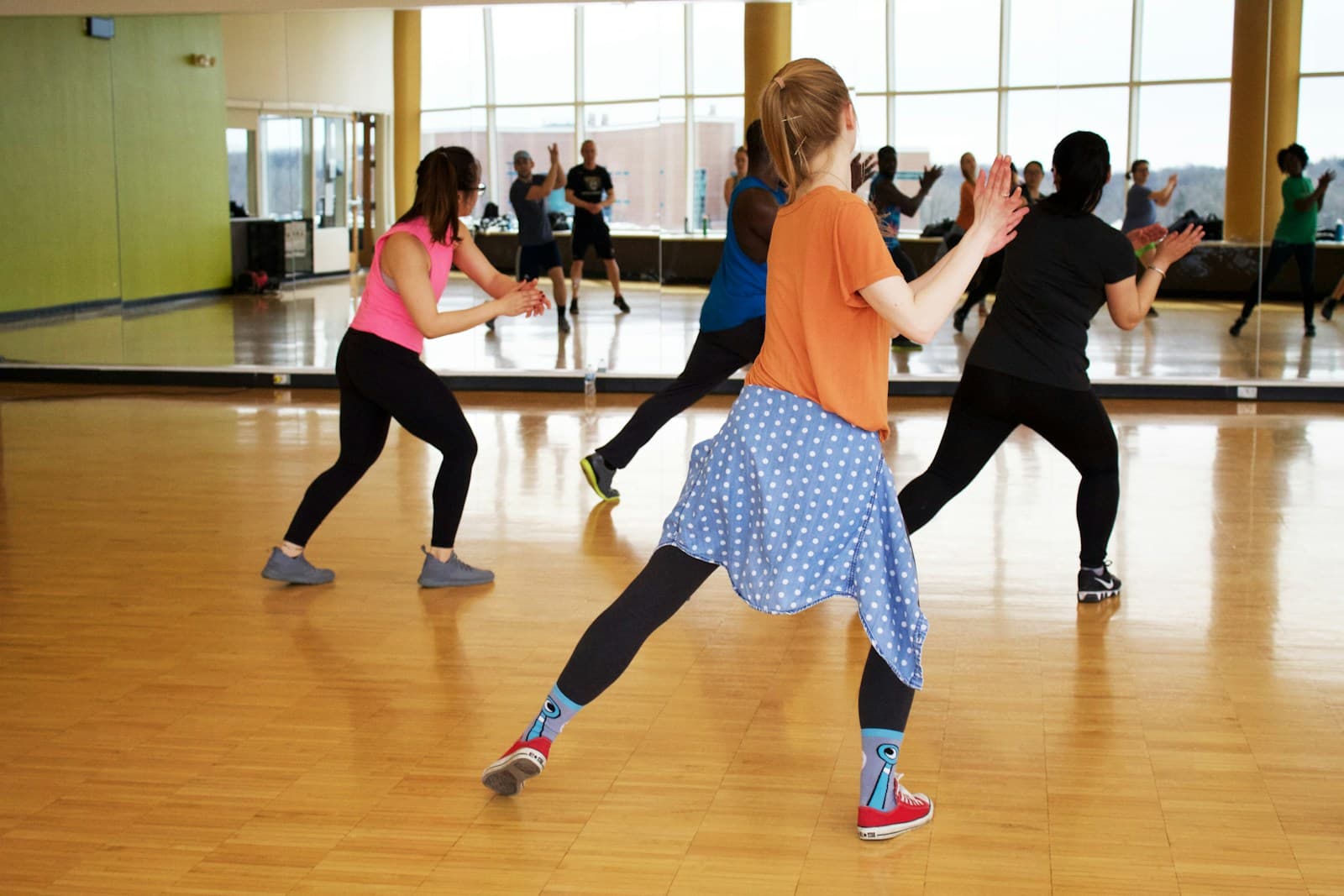
Dance School Registration and Billing Software: Buyer's Guide
Compare dance registration and family billing tools, plus recital and costume tracking, in one guide organized by the workflow you need to fix.
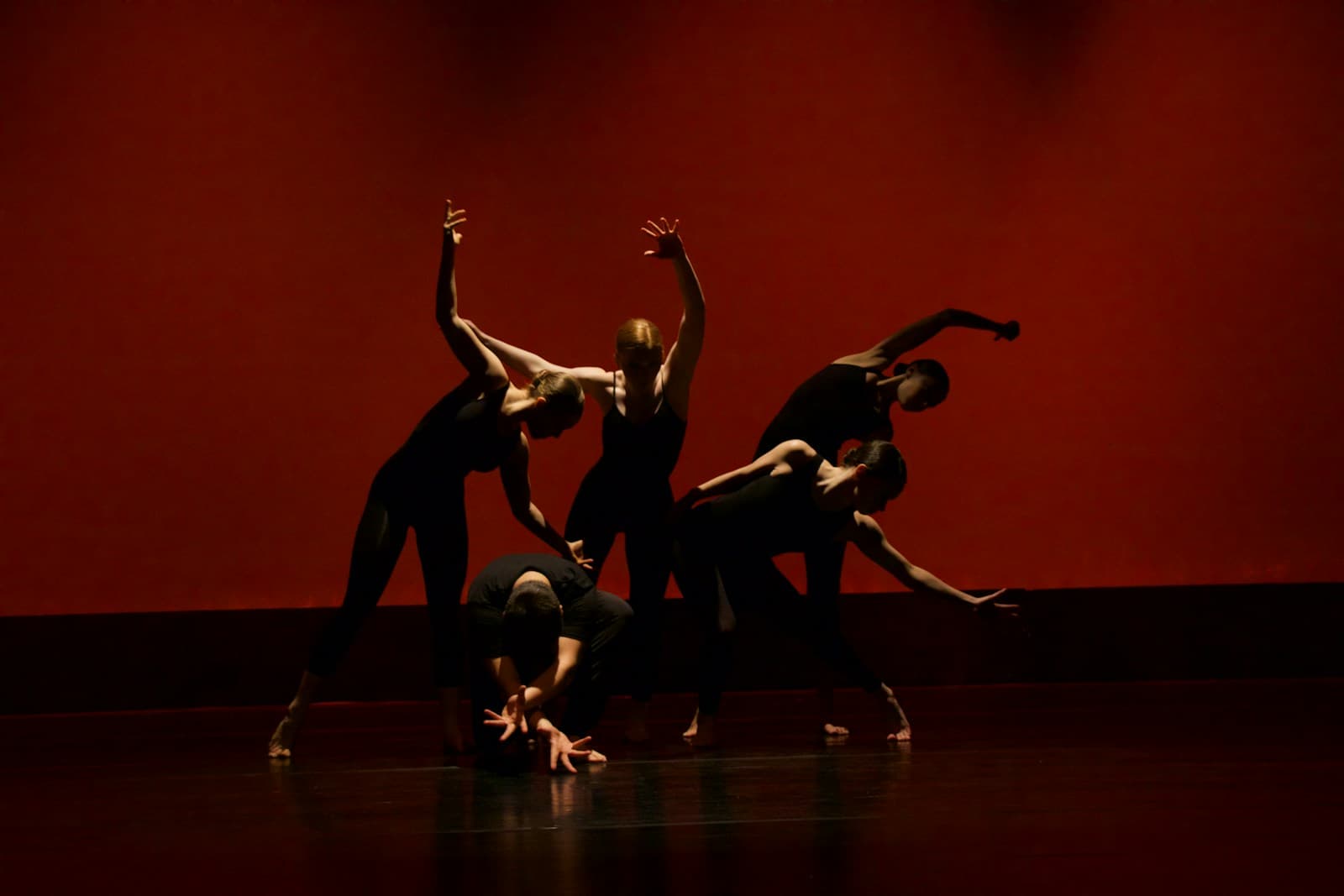
Dance Studio Class Scheduling: Fixing the Age-Group Conflicts That Empty Your Rooms
The scheduling conflicts specific to dance studios — age overlaps, discipline room collisions, recital rehearsal blocks — and how to resolve them.