Dance Studio Class Scheduling: Fixing the Age-Group Conflicts That Empty Your Rooms
The scheduling conflicts specific to dance studios — age overlaps, discipline room collisions, recital rehearsal blocks — and how to resolve them.
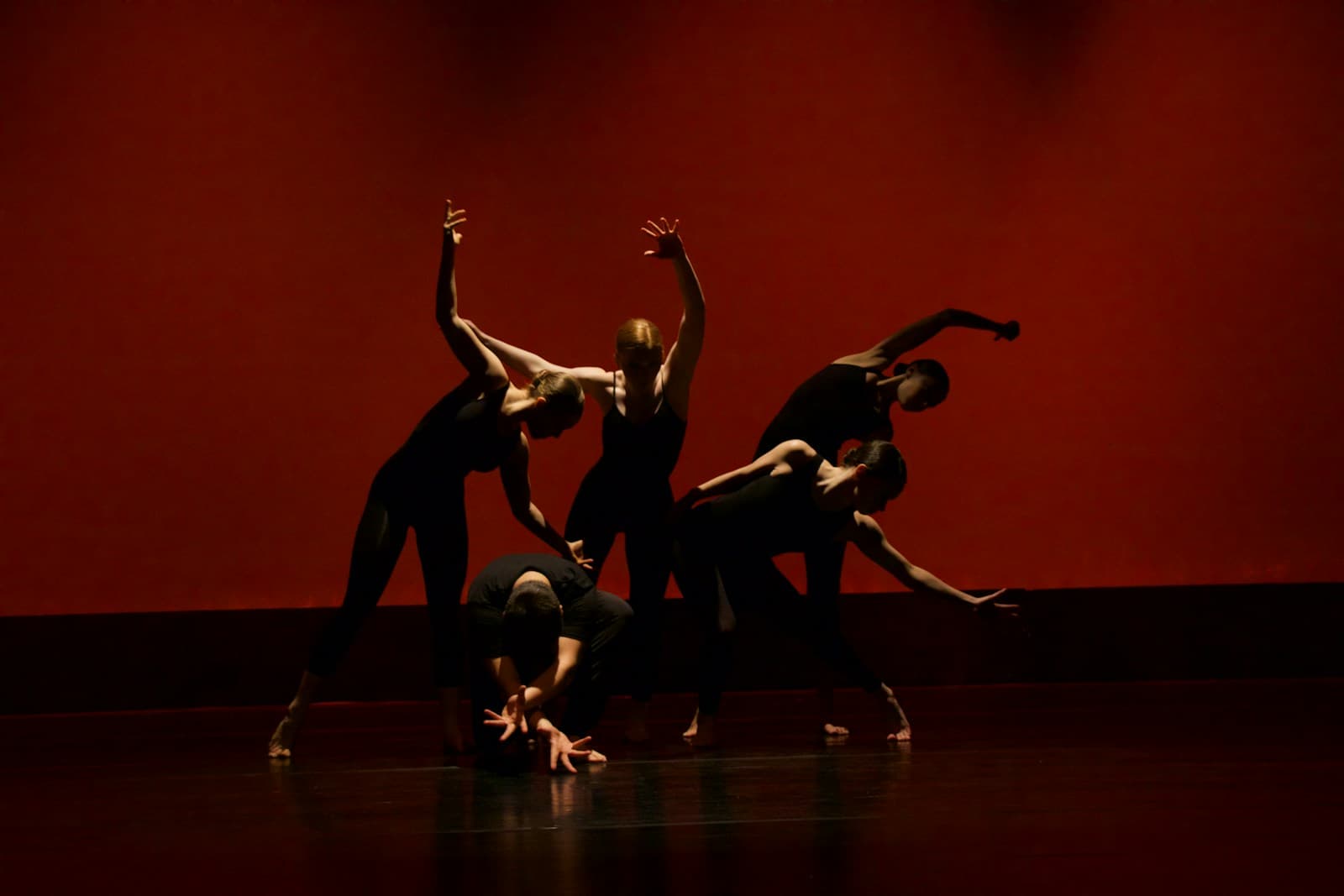
Age-group scheduling conflicts are the primary cause of room underutilization in dance studios — most owners don't catch them until a previously full room runs at 40% capacity for an entire term. The fix is a demand-first timetable built around the 3-Tier Age Block system, which separates mini, junior, and teen classes into non-competing windows.
Why Do Age-Group Conflicts Empty Dance Studio Rooms?
The conflict is structural, not accidental. Mini classes (ages 3–5) require parent waiting areas and slow transitions. Junior classes (ages 6–11) overlap with school pickup windows on weekdays. Teen and adult classes run evenings and weekends. When these populations compete for the same rooms at overlapping times, families can't book their preferred slots — and they stop trying.
The result: a studio with four rooms and 48 weekly class slots that looks busy but runs at 55% average fill because the age-group segmentation is wrong.
What Is the 3-Tier Age Block System?
The 3-Tier Age Block system assigns each age group — mini (3–5), junior (6–11), teen/adult (12+) — a protected scheduling window with no cross-contamination.
Mini classes run before 11am on weekdays and end before 5pm on weekends. Junior classes run 3:30–6pm on weekdays (post-school pickup) and 9am–12pm Saturdays. Teen and adult classes run evenings (6pm+) and Sunday afternoons. Each tier gets its own room priority.
The logic: families with young children plan around nap schedules and school commitments. Junior-age parents are managing after-school logistics. Teens are self-sufficient. None of these groups' scheduling needs overlap cleanly — don't force them to.
How Do You Handle Discipline-to-Room Conflicts?
Ballet and tap can share a sprung hardwood floor. Hip-hop on a sprung wood floor creates long-term damage and noise complaints. Contemporary on marley is ideal. Aerial on standard floor is unsafe.
Assign each room a primary discipline and a list of permitted secondary disciplines. Build that assignment into your scheduling software as a room constraint, not a verbal agreement. The verbal agreement gets ignored within one term when a room becomes available and someone books the wrong discipline into it.
What Causes Recital Rehearsal Blocks to Wreck the Timetable?
Recital rehearsal blocks typically start 4–6 weeks before recital weekend and consume the studio's largest rooms at the highest-demand times. Without a planned rehearsal schedule built months in advance, production rehearsals displace regular class revenue in your most profitable windows.
The studios that handle this well plan the rehearsal block as a parallel schedule — a separate track that runs alongside the regular timetable, not over it. Rehearsals get off-peak slots. Regular classes stay in peak slots. Families whose students are in both tracks see both calendars.
How Do You Build a Demand-First Dance Schedule?
Start with attendance data from the last two terms, not assumptions about what should be popular. Pull your top 10 classes by average fill rate. Those are your anchor classes — they get the best rooms and the best time slots.
Then build around them. Lower-demand classes fill in the gaps. New class types launch in secondary slots until they prove demand.
The demand-first principle sounds obvious. In practice, most dance studios build schedules around instructor availability and historical habit — "we've always done Wednesday ballet at 4pm" — rather than actual demand data. That habit is why rooms empty over time.
How Should You Structure the Weekly Timetable Across Multiple Rooms?
For a 3-room dance studio, the framework is:
- Room 1 (largest, best floor): anchor classes only. Never used for classes below 60% historical fill rate.
- Room 2 (mid-size): developing classes, second sections of popular class types, teen intensives.
- Room 3 (smallest): privates, small-group technique sessions, teacher training.
This prevents the drift where popular classes get bumped from the main studio to accommodate a new discipline that hasn't proven demand yet. The new discipline earns its way up through the room hierarchy.
For studios with more than three rooms, see the dance studio operations manual for a full room-assignment framework.
How Do You Manage Waitlists Effectively in Dance Studios?
Dance studio waitlists work differently from fitness studio waitlists because enrollment decisions often involve families weighing multiple classes. A waitlist spot in a Tuesday 4pm ballet doesn't substitute for Thursday 5pm ballet in a parent's schedule.
Build waitlists at the class-level, not the discipline-level. When a Tuesday 4pm spot opens, only notify families who waitlisted that specific slot. Don't automatically move someone from a Thursday waitlist onto Tuesday — send a confirmation request first.
The 24-hour claim window is standard. For mini and junior classes, extend it to 36 hours — parents of young children have more logistical constraints and a shorter window generates more expired offers and empty spots.
See the dance studio booking software guide for a breakdown of platforms that support per-class waitlists with configurable claim windows.
How Do You Track Room Utilization to Catch Problems Early?
Build a weekly report showing fill rate by room, not by class. Fill rate by class tells you which classes are popular. Fill rate by room tells you whether your physical assets are working.
Target: every room above 60% average fill across all scheduled slots. If a room drops below 60% for two consecutive weeks, investigate before it becomes a term-level pattern.
The leading indicators of a room utilization problem:
- New classes added to the room without removing underperformers
- Discipline-room mismatch causing family complaints and low re-enrollment
- Recital rehearsal blocks that displaced high-demand classes without replacing them
What Does a Fixed Dance Schedule Actually Look Like?
Here's a condensed example for a 3-room studio applying the 3-Tier Age Block system on a Tuesday:
This layout prevents mini families from arriving during teen class transitions. Junior-age pickup happens while minis have already cleared. Teens and adults occupy the building after 6pm with no logistical conflict.
For a full recital planning framework linked to the timetable, read the dance recital planning guide. For the broader operations playbook covering staffing, pricing, and retention, start with the dance studio operations playbook.
Run your studio on Zatrovo
Manage dance studio schedules, room assignments, and waitlists on one platform.

We write playbooks for studio operators — based on data from thousands of studios running on Zatrovo across pilates, yoga, lash, nail, massage, salon, dance, and fitness.
Related reading

Dance School Registration and Billing Software: Buyer's Guide
Compare dance registration and family billing tools, plus recital and costume tracking, in one guide organized by the workflow you need to fix.
Dance Recital Planning: The 12-Week Timeline That Removes Last-Minute Chaos
A 12-week production timeline for dance studio recitals — from venue booking to costume deadline to tech rehearsal.

Dance Studio Front Desk Training: Handle Enrollment Questions Without Pressure
Scripts for the enrollment, pricing, and complaint conversations dance studio front desks face every week.