Dance Recital Planning: The 12-Week Timeline That Removes Last-Minute Chaos
A 12-week production timeline for dance studio recitals — from venue booking to costume deadline to tech rehearsal.
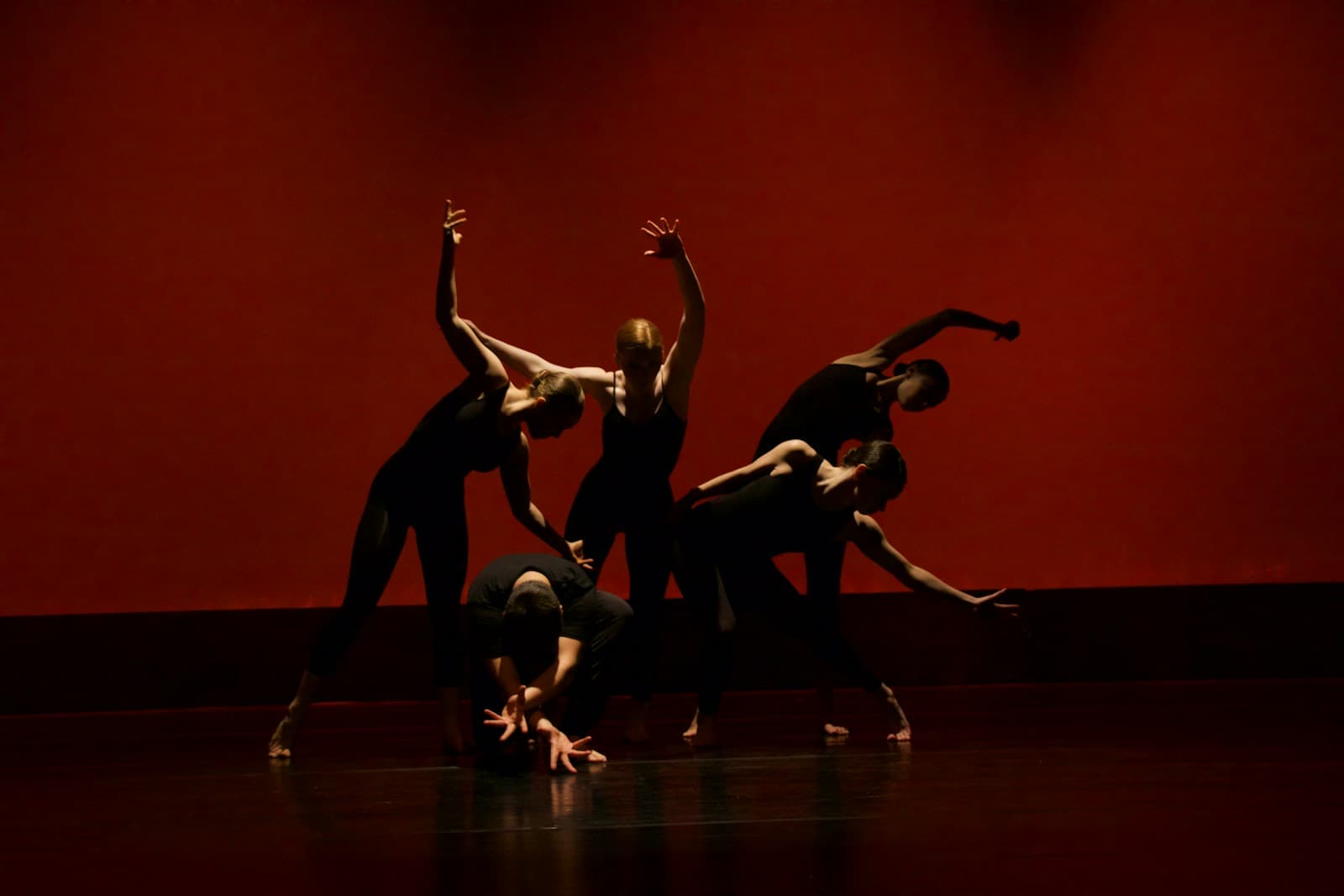
Most dance recital chaos traces back to three missed deadlines: costume orders, venue tech setup, and ticket sales close. Starting a 12-week production timeline at week 12 instead of week 1 eliminates every one of them. Studios that run tight recitals don't have better luck — they start earlier and write everything down.
Why Do Recitals Fall Apart in the Final Two Weeks?
Because the planning started too late and the decisions were deferred.
The last two weeks before a recital should be execution — rehearsals, costume fittings, and logistics confirmation. Instead, most studios use that window to make decisions that should have been made in week 8: venue walkthroughs, ticket sales close, and program printing. The result is a compressed timeline where every task competes with every other task, and staff and families both feel the pressure.
The fix is a 12-week production calendar that forces decisions into the early weeks when there's still room to adjust. What follows is that calendar.
What Does the 12-Week Recital Production Timeline Look Like?
The 12-Week Recital Countdown is the framework below. Week 12 is the earliest — when nothing feels urgent yet. That urgency feeling is false; the decisions made in week 12 are the ones that make week 1 manageable.
What Should Week 12 Accomplish?
Week 12 is when the production becomes real for everyone.
At week 12, you have a signed venue contract with a tech setup date, a confirmed show date (or dates), and an announcement sent to all families. That announcement covers the show date, the approximate number of acts, a costume ordering timeline, and a ticketing announcement date.
Families who get this information early plan around it. Families who find out at week 6 have conflicts, complain about the timing, and create last-minute complications. The earlier the announcement, the fewer the scheduling conflicts.
The other week-12 task: confirm your tech crew. Sound and lighting technicians with experience in dance productions book fast. Do not wait until week 5 to discover your preferred crew is already booked for your date.
How Do You Handle Costume Logistics Without the Chaos?
Costume logistics fail when ordering happens too late and communication is unclear about expectations.
Costume ordering should open at week 10 and close hard at week 7. That 3-week window gives families enough time to decide and submit, and gives you a full 7 weeks from order submission to show date for delivery, alterations, and distribution.
The costume distribution window — when families pick up and try on their costumes — should be scheduled in week 3, approximately three weeks before the show. This gives one week for minor alterations before dress rehearsal. Distribute by class during scheduled pick-up times rather than all at once; it prevents chaos in the lobby and lets you address issues one class at a time.
How Should Ticket Sales Be Structured?
Ticket sales should open at week 8 and close hard at week 4.
A 4-week window is sufficient for most families. The earlier close matters for two reasons: program printing requires a final headcount, and late sales create day-of logistics complications (extra programs, seating adjustments) that are avoidable.
Set a per-family ticket allotment in advance (typically 4–6 tickets for a standard-size show). If additional tickets are available after the allotment window closes, open general sales for the remainder. This prevents the scenario where one family buys 12 tickets and another family can't get any.
What Does a Tech Rehearsal at the Venue Require?
The venue tech walkthrough at week 5 is the planning step most studios skip or compress — and it's the one that creates the most show-week surprises.
At week 5, walk the venue with your tech crew and artistic director together. The walkthrough covers: sight lines from each seating section (where students need to position for the lights to hit them correctly), microphone placement if used, dressing room assignments and traffic flow, wing capacity for each act, quick-change locations, and emergency protocols.
Bring the show running order to the walkthrough. For each number, identify whether it needs a custom lighting state or can use a standard wash. Note any costume changes that happen in under 2 minutes — those require dedicated crew support. Confirm audio needs for each piece (live music cues, recorded playback, microphone count).
Studios that do this at week 5 have no surprises at dress rehearsal. Studios that skip it discover lighting problems with 24 hours to fix them.
How Do You Recruit and Brief Backstage Volunteers?
Recruit backstage volunteers from current parents at week 8 — the same time ticket sales open. The framing: "In exchange for a backstage pass for your child's performance, we ask 3 hours of your time on dress rehearsal day."
For a recital with 150–250 students, plan for 15–20 volunteers. Roles:
- Wing monitors (one per stage wing): ensure students are ready and in order before they enter stage
- Dressing room monitors (one per age group room): assist with costume changes, manage bathroom trips, maintain calm
- Costume check volunteers (2–3): verify costumes, hair, and accessories before students go to wings
- House volunteers (2–3): manage seating, distribute programs, handle late-arriving ticket holders
Assign roles at least two weeks before the show. Send role-specific instructions — not a generic volunteer packet. A wing monitor needs to know the show order, cue timing, and wing entry protocol. A dressing room monitor needs to know the age group, their specific schedule, and the emergency escalation contact.
Run a 30-minute volunteer briefing the morning of dress rehearsal. Walk volunteers through their stations, introduce them to the tech crew, and confirm communication protocols (typically a group chat for day-of issues).
What Should the Dress Rehearsal Accomplish?
The dress rehearsal has one job: surface problems that can only be found under show conditions.
Run it at the venue, in full costume, with the actual lighting and sound setup. Run it in show order. Time every number. Log every problem: the quick change that took 4 minutes instead of 1, the lighting state that washed out costumes, the act transition that took too long because students weren't in the wings on time.
Every problem identified at dress rehearsal has at least 24 hours to be fixed. Every problem identified at the show has no fix.
How Do You Communicate With Families Throughout the Production?
The parent communication calendar runs parallel to the production timeline. Each milestone triggers an announcement.
A parent communication schedule for a June recital:
- Week 12: Recital announcement — date, venue, costume ordering opening
- Week 10: Costume ordering instructions and deposit link
- Week 8: Ticket sales opening with allotment details
- Week 6: Program advertising opportunity (if applicable) and volunteer recruitment
- Week 4: Ticket sales closing reminder and program submission deadline
- Week 3: Costume pickup schedule
- Week 2: Dress rehearsal schedule and show-day logistics
- Week 1: Final show-day instructions — arrival times, backstage drop-off, photography policy
Each communication should be one topic. Multi-topic emails lose readers. When you mix costume information with ticket sales information with volunteer recruitment, families absorb one item and miss the others.
For a connected look at full studio operations planning, see the dance studio operations manual. For building the class schedule that feeds into recital preparation, see the dance studio class scheduling guide. If your studio runs a referral program around recital season, the dance studio referral program guide covers timing and mechanics.
Run your studio on Zatrovo
Manage class schedules, attendance, and communications in one platform built for dance studios.

We write playbooks for studio operators — based on data from thousands of studios running on Zatrovo across pilates, yoga, lash, nail, massage, salon, dance, and fitness.
Related reading

How to Run a Dance Studio Without Burning Out: Ops Playbook
The tuition model, recital margins, and retention moves that keep dance studio owners from burnout in 2026.

Dance School Registration and Billing Software: Buyer's Guide
Compare dance registration and family billing tools, plus recital and costume tracking, in one guide organized by the workflow you need to fix.
Dance Studio Class Scheduling: Fixing the Age-Group Conflicts That Empty Your Rooms
The scheduling conflicts specific to dance studios — age overlaps, discipline room collisions, recital rehearsal blocks — and how to resolve them.