Dance Studio Membership Pricing: Monthly Tuition vs Class Pack for Every Age Group
The tuition vs class pack decision broken down by age group and discipline — with the conversion math that tells you which wins.
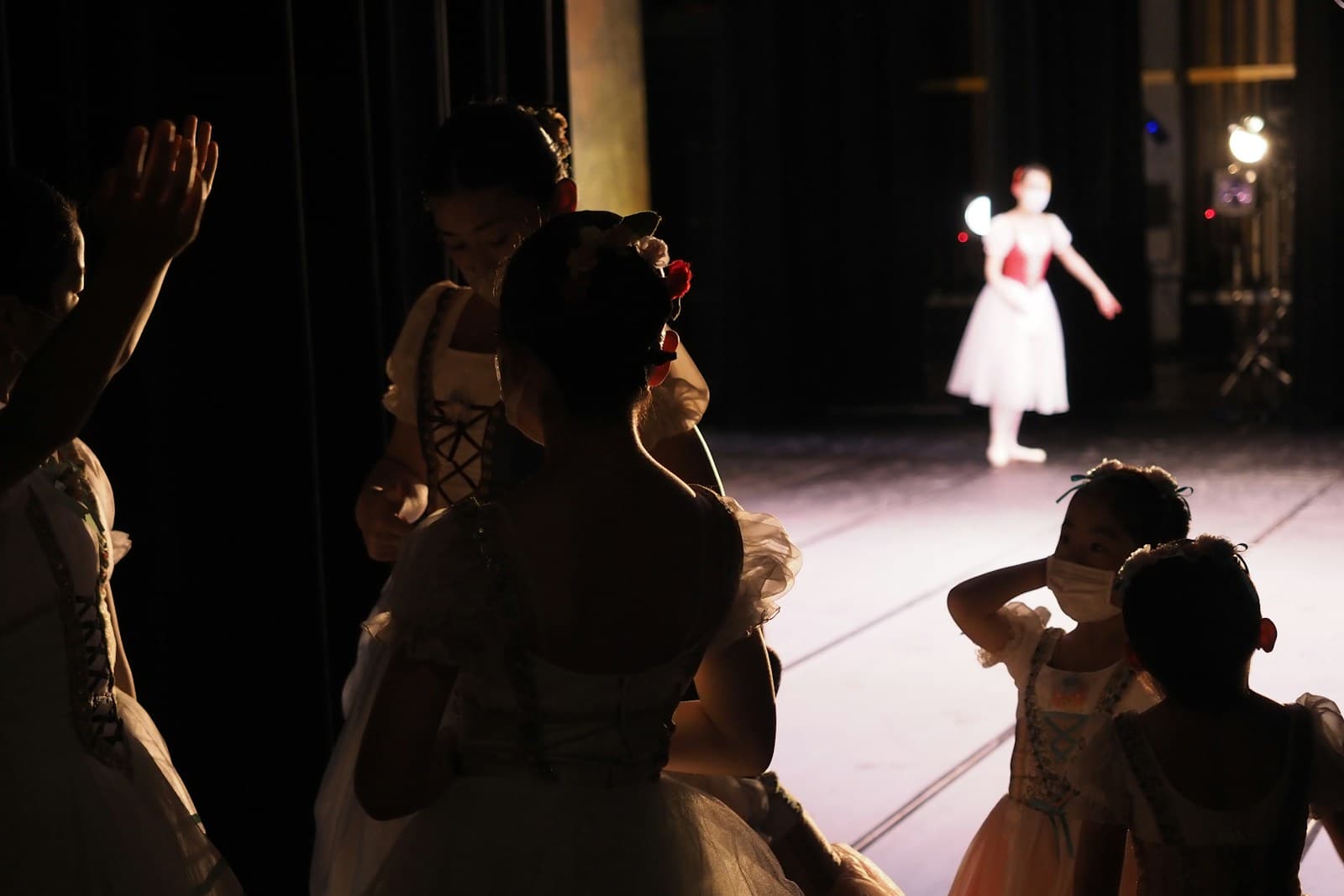
Younger dance students convert to monthly tuition at rates 2–3x higher than adults — and adults prefer class packs at similar margins. Mixing both models is correct, but running both without tracking which revenue comes from which model is how dance studios accidentally destroy margin. The answer is segment by age first, then price accordingly.
Why Does Age Group Matter So Much for Pricing Model?
The dance studio that tries to sell class packs to the parents of a seven-year-old is fighting human psychology.
Parents of young children want simplicity. One monthly bill, auto-drafted. No tracking of remaining classes. No panic when a session expires. Monthly tuition works because it mirrors how every other children's activity is priced — swim lessons, gymnastics, soccer. It reduces cognitive load at the point of re-enrollment, which is the highest-churn moment in the cycle.
Adult recreational dancers are different. They travel. They have irregular work schedules. They book a weekend trip and miss two weeks. Monthly tuition feels punitive to someone who knows they'll miss 30% of their sessions. A 10-class pack gives them control.
The retention multiplier matters more than the headline conversion rate. Tuition students stay because the commitment is structural — the credit card is charged regardless of whether they attend. Pack holders churn when a pack expires and they don't have a strong enough reason to buy another.
What Are the Right Tuition Rates by Age and Discipline?
Set rates by class frequency (how many sessions per week) and format (recreational vs pre-professional). Age is a proxy for parent willingness to pay, not the actual price driver.
The gap between 1x/week and 2x/week tuition is the key pricing lever. If 2x/week is less than 1.7× the price of 1x/week, you've removed the incentive to stay at one class. Target 1.75–1.85× for the second frequency tier. Families that upgrade to two classes per week are significantly more retentive — they're invested.
How Should Class Packs Be Priced for Adult Recreational Dancers?
Adult recreational packs should price out at 15–25% above your implied tuition rate per class.
If your adult tuition is $100/month for 4 classes, the per-class rate is $25. A 10-class pack should be priced at $28–$31 per class, or $280–$310 for the pack. That gap is the "flexibility premium" — adults who want to attend when convenient pay more per class than adults who commit to a monthly plan.
One hard rule: set pack expiry dates. A 10-class pack that never expires removes the urgency to re-engage. Standard in dance is 6 months for 5-class packs, 12 months for 10+ class packs. Expiry creates natural re-purchase moments and reduces your contingent liability (classes owed but never redeemed).
For a deeper breakdown of how to structure pack tiers across formats, see our class packs and memberships guide.
What Does the Tuition Model Look Like for Competition and Pre-Professional Students?
Competition track students are your highest-LTV segment — and the most price-inelastic.
A competitive dance student in a serious program attends 3–5 sessions per week, often across multiple disciplines. Monthly tuition for this cohort ranges from $250–$500/month just for class fees, plus costume costs, competition registration fees, and recital expenses. The comparison with recreational pricing is almost irrelevant.
For competition programs, tuition should be quoted annually with a monthly payment option — not framed as a monthly subscription. "The annual program cost is $3,200, payable monthly at $267" signals a commitment-oriented product. "It's $267/month" sounds cancellable at will.
Recital and competition fees should be listed separately and explicitly. Hidden fees that surface two months into enrollment are the most common complaint parents leave in Google reviews. Transparency on the full annual cost — including extras — converts better than low headline prices that surprise families later.
How Do You Convert Drop-In Visitors to Tuition or Pack Holders?
Drop-in visits are acquisition, not a revenue model.
The conversion sequence matters. A first-time drop-in visitor should receive an automated follow-up within 24 hours with a time-limited offer to buy their first pack or enroll in monthly tuition. The offer window — "good for 7 days" — creates urgency without pressure. Studios that follow up within 24 hours convert drop-ins to pack holders at 3× the rate of those that wait 72+ hours (Zatrovo benchmark, 2026).
Three things that kill the conversion:
- No offer attached. "Thanks for visiting!" emails without a clear next step convert at under 5%.
- Too long a delay. The emotional peak from a good class fades fast. Day one follow-up is the window.
- Price anchoring to drop-in. If the follow-up email shows the drop-in rate first and the pack rate second, it trains the prospect to think in per-visit terms. Show the monthly cost or pack price first.
For trial class strategies that set up conversion, see our dance studio trial class guide.
What Is the Right Revenue Mix for a Mature Dance Studio?
The 65-25-10 Dance Revenue Model is a useful benchmark for a studio in its second year or beyond: 65% tuition/memberships, 25% class packs, 10% recitals, workshops, and retail.
Studios below 50% recurring revenue are too dependent on pack re-purchases. When a pack cohort doesn't renew — after a summer break, a school year transition — revenue dips sharply. Studios above 80% tuition are often leaving money on the table from adult recreational demand that doesn't want to commit monthly.
Track your mix quarterly. If tuition share is dropping, investigate churn. If pack revenue is growing faster than tuition, figure out whether you're converting packs to tuition appropriately or whether packs have become a permanent alternative.
How Should Multi-Class Discounts Be Structured?
Multi-class discounts should trigger category changes, not reward existing behavior.
The most effective structure: offer a meaningful price per additional discipline, not a percentage off the first. A student enrolled in ballet (1x/week, $100/month) who wants to add hip hop should be able to access a two-discipline rate of $165/month — not $200 (full price × 2) and not $80 (suspiciously cheap second class).
The $165 two-discipline plan does three things: it makes adding the second class an obvious financial decision, it increases weekly touchpoints with your studio (retention driver), and it bumps LTV by 65% per student without increasing operational complexity.
Family caps work similarly. See the FAQ below for cap structure details.
For a connected look at how pricing interacts with your overall studio operations, read the dance studio operations playbook.
Run your studio on Zatrovo
Tuition billing, class packs, and membership management — purpose-built for dance studios.

We write playbooks for studio operators — based on data from thousands of studios running on Zatrovo across pilates, yoga, lash, nail, massage, salon, dance, and fitness.
Related reading

Unlimited Class Packs: When Unlimited Is a Growth Lever and When It's a Margin Trap
The economics of unlimited plans — utilization rates, average visit frequency, and the price point that makes them profitable without killing capacity.

Dance Studio Trial Classes: The Follow-Up That Converts Watchers to Enrolled Students
Trial class structure and the 24-hour follow-up sequence that moves families from curious to enrolled.

Private Dance Lesson Pricing: Solo Coaching Rates That Justify the Premium
Private lesson pricing that accounts for peak demand, instructor seniority, and competition season timing.