Private Dance Lesson Pricing: Solo Coaching Rates That Justify the Premium
Private lesson pricing that accounts for peak demand, instructor seniority, and competition season timing.
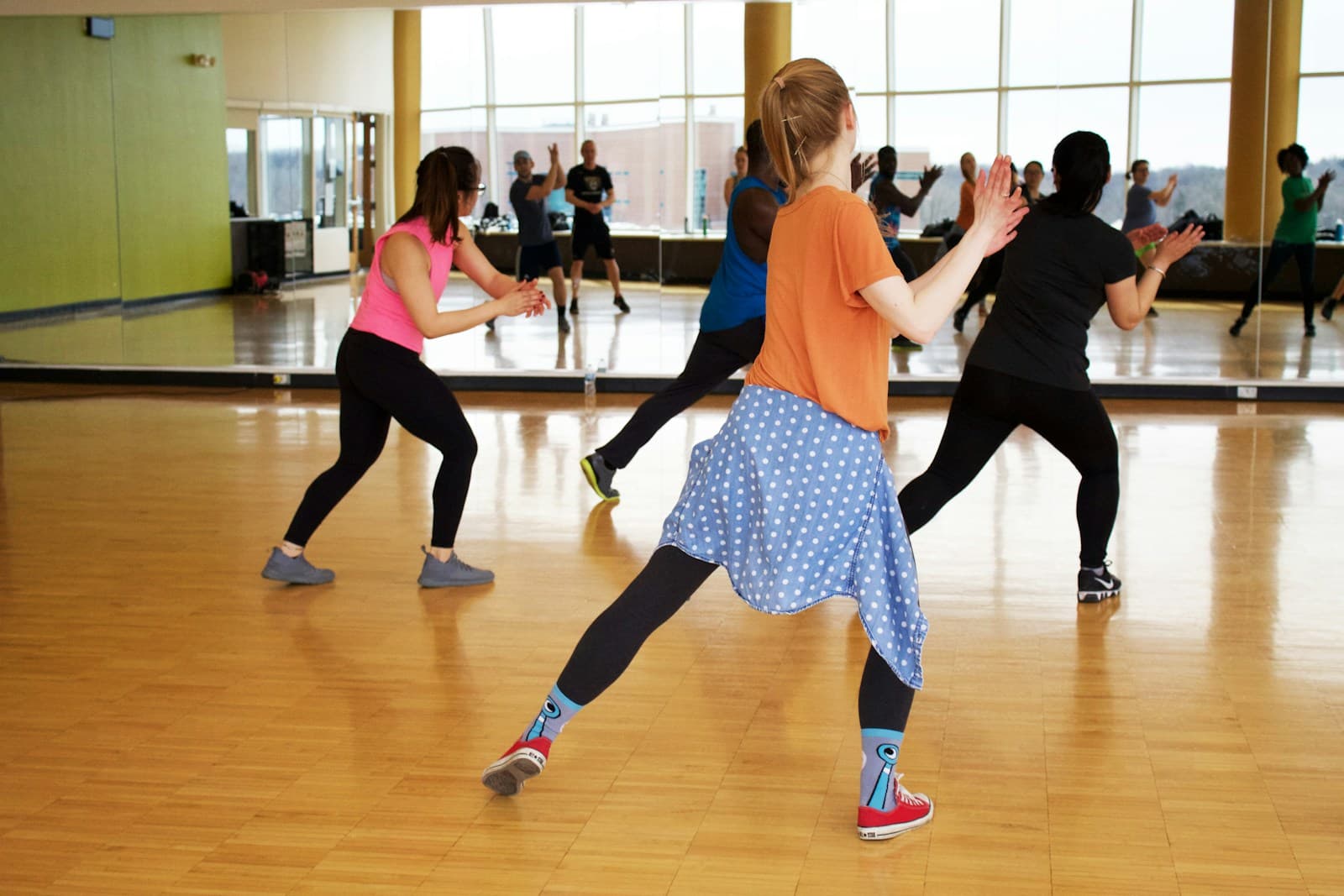
Competition season creates pricing leverage that most dance studios leave on the table. In the 8–10 weeks before a regional competition, demand for private lessons spikes 40–60% at studios with competitive programs. Studios with flat year-round private pricing subsidize off-peak rates with peak-demand slots instead of capturing the premium demand creates. Tiered seasonal pricing — 15–20% premium in the 8 weeks before major competition events — is standard in top competitive dance programs.
What Are Realistic Private Lesson Rates by Dance Style?
Private lesson pricing varies significantly by dance style, reflecting the studio rental requirements, instructor specialization demand, and competitive market rates.
How Do You Price Competition Season Privates?
Competition season is the one time when demand creates genuine pricing leverage. Students need preparation coaching. The window is defined and predictable. This is the correct moment for a seasonal rate.
The Competition Prep Rate Structure:
- Regular private rate: your year-round rate
- Competition prep rate: 15–25% above year-round rate, applied 8–10 weeks before a named competition event
- Choreography creation fee: separate one-time charge for new routines ($100–$250) — not bundled into per-session rates
- Music editing coordination: $25–$75 flat if the studio coordinates music editing externally
Communicate the competition season rates at the start of each competitive year (not when the season starts). Students and parents plan their budgets months in advance. Surprise pricing changes mid-season create conflict.
What Cancellation Policy Protects Private Lesson Revenue?
Private lesson no-shows are 100% revenue loss — there's no class of other students to absorb the empty slot. The policy must reflect this.
Non-negotiable elements:
- 48-hour cancellation window (vs 12–24 hours for group classes)
- Full session fee charged for late cancels and no-shows — not a credit, a charge
- 3 strikes rule: students who incur 3 late cancels in 90 days are moved to prepayment-only booking
- Payment at booking for all new students until they establish a consistent attendance history
Instructors should never be authorized to waive late cancel fees without management approval. One waiver sets a precedent. Document the policy in your booking system and in the confirmation email for every private lesson.
How Do You Structure Private Lesson Packages?
The Private Lesson Package Ladder drives commitment and revenue predictability:
- Single session: $85–$150 (entry point, no discount)
- 5-session pack: 10% off single rate, 3-month expiry
- 10-session pack: 15% off single rate, 6-month expiry
- Competition prep pack (10 sessions + choreography review): premium pricing, fixed competition season validity
The 5-pack is the volume seller. The 10-pack targets serious competitive students. The competition prep pack is a specialty product with defined scope and timing.
For the full dance studio financial model and class pricing framework, see the dance studio ops playbook and the dance class pricing guide. Instructor pay rates for private sessions are covered in the dance teacher pay rates guide.
What Instructor Pay Works for Private Lessons?
Private lessons command a higher instructor share than group classes: typically 45–55% for privates vs 30–40% for group instruction. At a $100/hour private lesson with 50% instructor share, the instructor earns $50/hour for dedicated 1:1 instruction — competitive with the teaching market rate.
Important: private lesson instructor pay includes prep time that group instruction doesn't. A 60-minute private lesson for a competition student may require 15–20 minutes of choreography notes review, music timing notes, and post-session feedback documentation. Pay structures that don't acknowledge this time create resentment. Add a 10–15 minute prep/notes allocation for each private lesson when calculating effective pay rates.
Run your studio on Zatrovo
Manage dance studio private lesson bookings, packages, and instructor pay from one platform.

We write playbooks for studio operators — based on data from thousands of studios running on Zatrovo across pilates, yoga, lash, nail, massage, salon, dance, and fitness.
Related reading
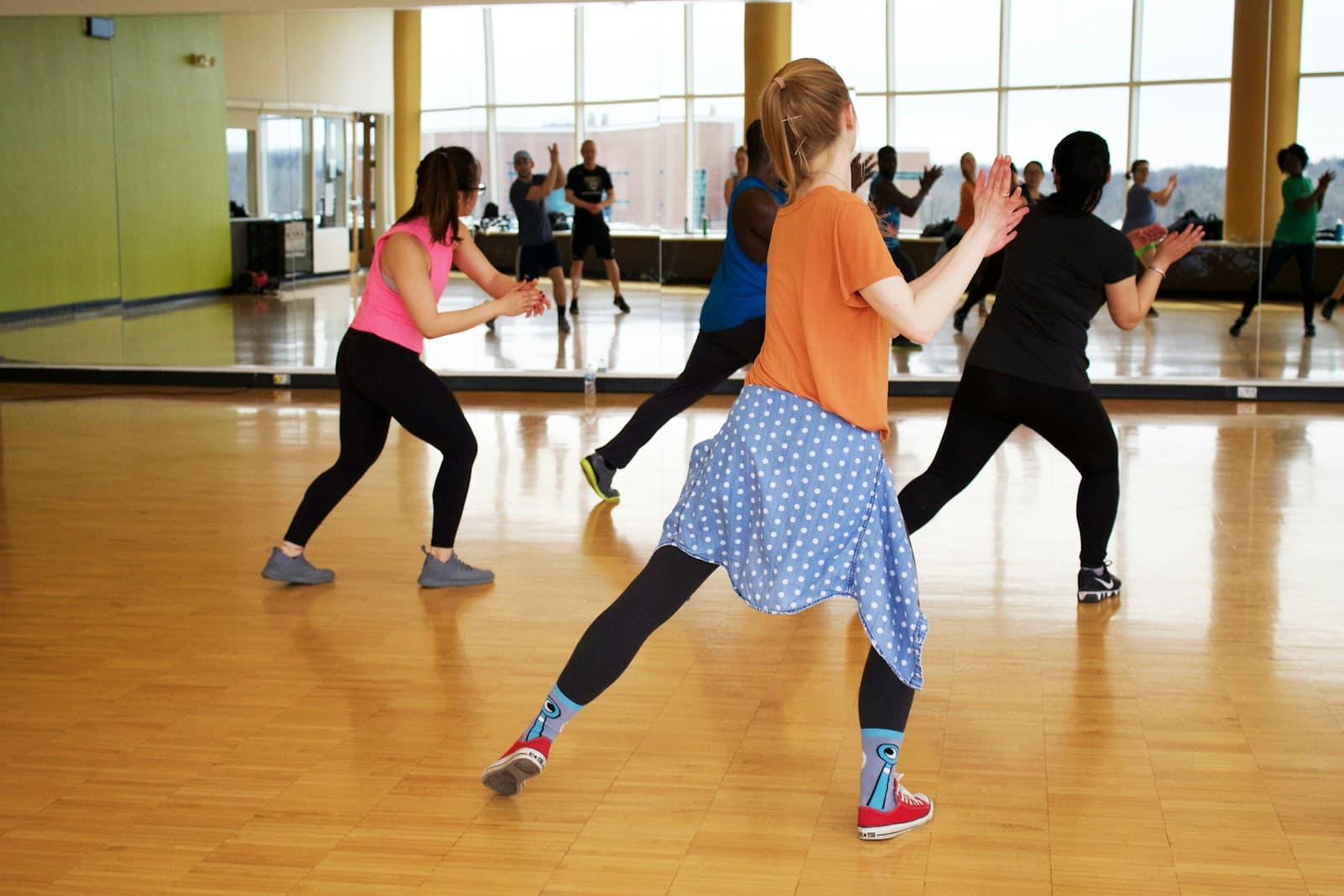
Dance Class Pricing: Rate Structures for Ballet, Hip Hop, and Competitive Studios
Pricing frameworks that account for class length, instructor seniority, and discipline — so your schedule isn't subsidizing itself.
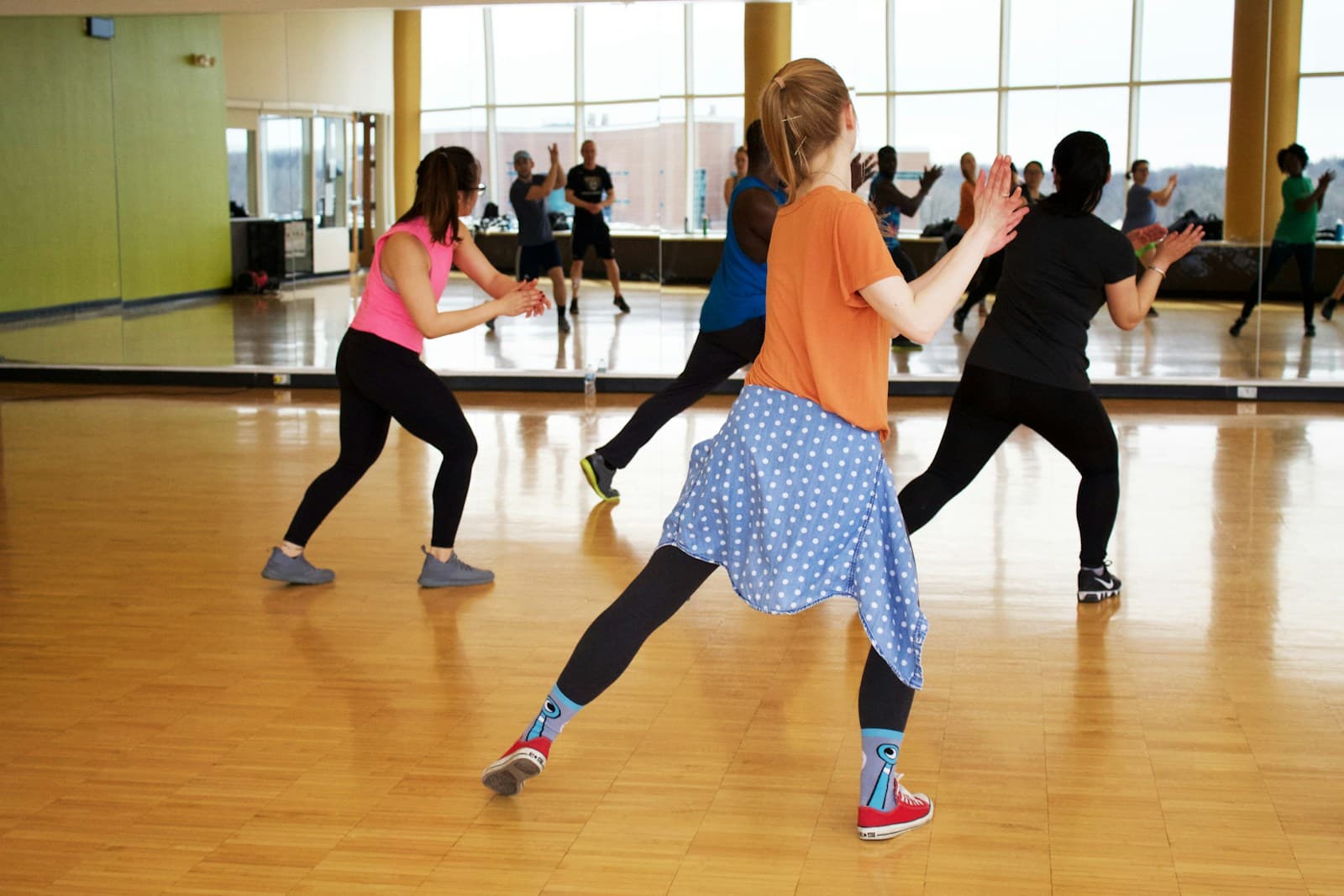
Dance Studio Trial Classes: The Follow-Up That Converts Watchers to Enrolled Students
Trial class structure and the 24-hour follow-up sequence that moves families from curious to enrolled.
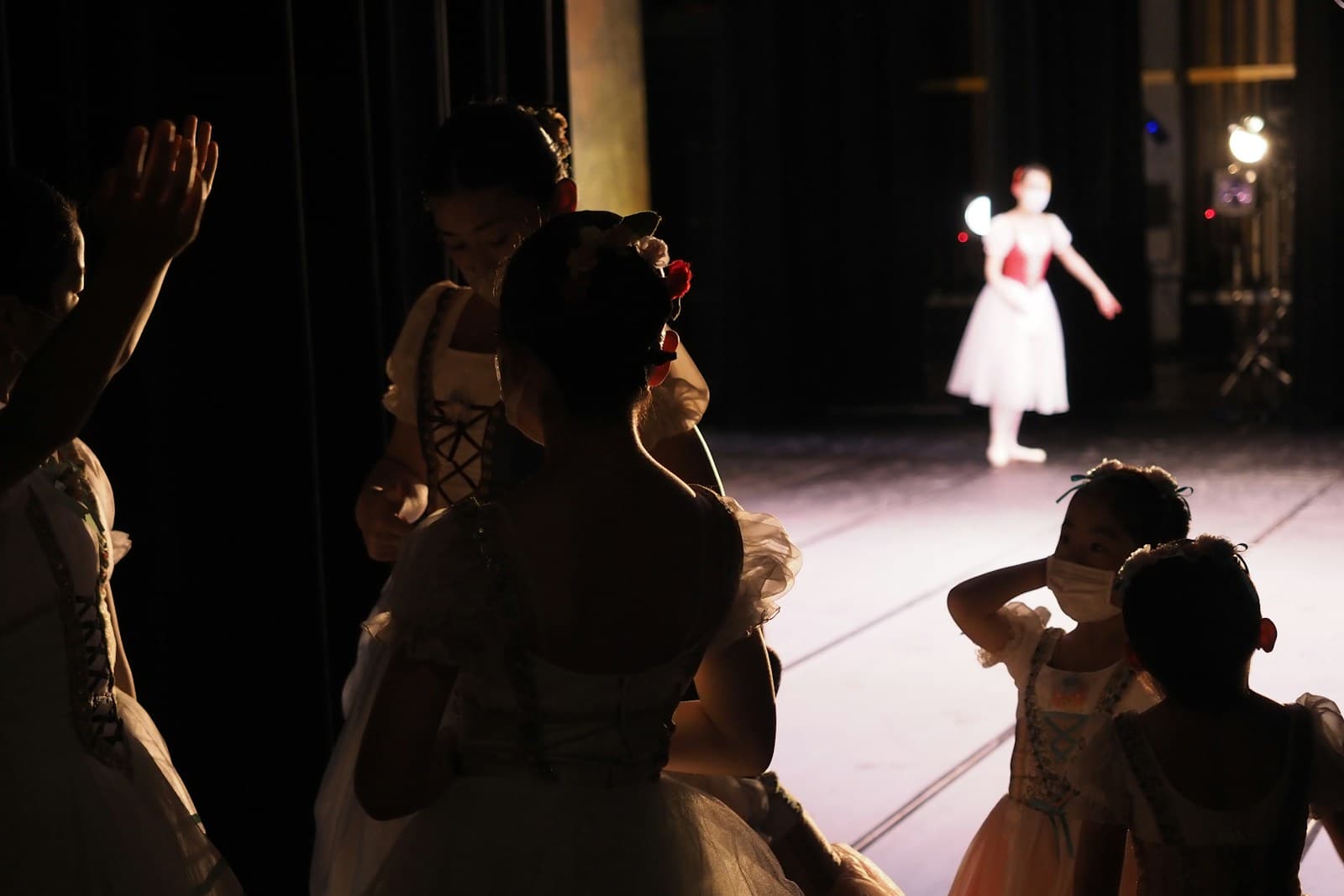
Dance Studio Membership Pricing: Monthly Tuition vs Class Pack for Every Age Group
The tuition vs class pack decision broken down by age group and discipline — with the conversion math that tells you which wins.