Belt Promotion Event Planning: The Ceremony That Makes Families Stay for Years
A belt promotion event format — timing, ceremony flow, family involvement, photography — that becomes the school's highest-retention moment.
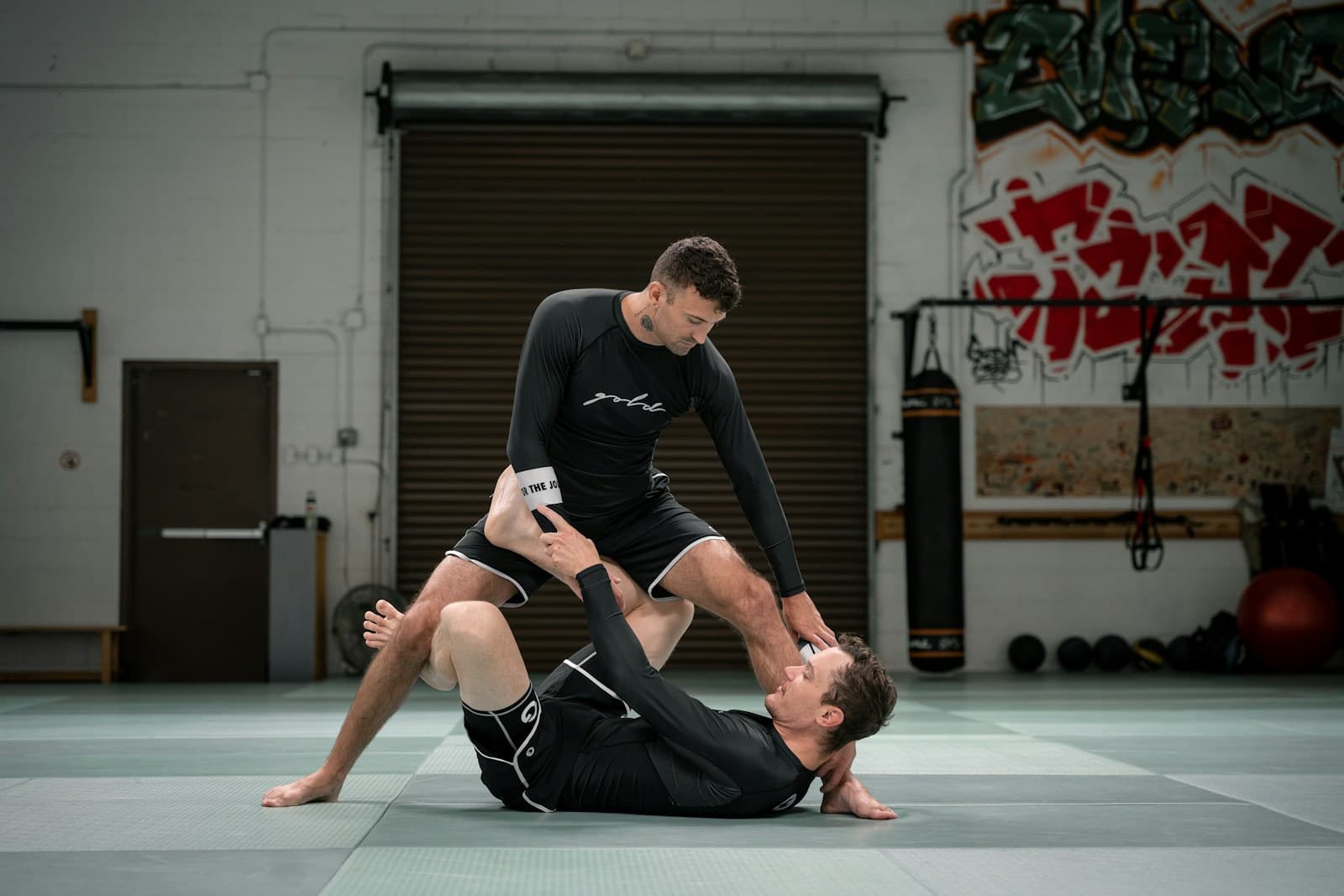
Schools that run high-ceremony belt promotions report 40% lower churn in the six months following the event, based on Zatrovo martial arts data. The mechanism is not the belt itself — it's the family belonging signal the ceremony creates. A student who receives a belt in front of their parents and a room full of peers has a stake in the community that a quiet belt handoff after class never creates.
Why Does the Belt Ceremony Format Affect Retention?
Because retention is driven by belonging, and belonging is created by shared rituals.
A student who trains consistently for three months and receives their yellow belt in the middle of a regular class has an achievement. A student who receives the same belt in a formal ceremony, walked to the front of the room while their name is announced, presented the belt by their instructor while their parents watch and photograph — that student has a milestone. The difference in emotional weight is significant, and emotional weight predicts commitment.
This is not speculative. Schools that track belt promotion format against subsequent 6-month retention consistently see the ceremony effect. The question is not whether ceremony matters — it's how to run a ceremony that maximizes its impact.
What's the Ideal Ceremony Flow?
The Belt Ceremony Framework has five stages: opening, acknowledgment, promotion, photography, and reception.
Opening (5–10 minutes). Instructor addresses the assembled family and students. This sets tone: acknowledge the work that went into the promotion, reference the values the belt represents, and frame the ceremony as a milestone in a longer journey. The opening should feel significant — not a housekeeping announcement.
Acknowledgment (5–10 minutes). Individually acknowledge each student being promoted before the belt is presented. Say the student's name, how long they've trained, and one specific quality or accomplishment. Not "great job" — something specific: "Marcus joined us 8 months ago and has tested at every opportunity. His kata has improved every single belt." Students who are recognized specifically remember it. Students who hear a generic statement forget it.
Promotion (15–25 minutes depending on group size). Students are called individually to receive their belt. The instructor presents it. If family members are on the floor, they tie the belt. If not, the instructor does. Students bow to the instructor and return to their seat. The sequence is the same for every student — no variation in protocol by belt level or age.
Photography (10–15 minutes). Immediately after promotions, direct all families and students to the photography station. The sequence: individual portrait with new belt, photo with instructor, family photo. Manage this as a line — don't let it become an unstructured photo session that runs long.
Reception (20–30 minutes). Move to a designated space with light refreshments. This is the social and word-of-mouth period. Staff should circulate and have conversations with new families especially — first-time promotion attendees are deciding how they feel about the school.
How Do You Involve Family Members in the Ceremony?
Family involvement transforms the event from a school activity to a family milestone.
The highest-impact family role is belt-tying. When a parent ties their child's new belt, the physical act of the parent doing the ceremony creates a memory for both of them. This is more powerful than watching the instructor do it. For families who want to participate, train them on the tie in a brief demonstration before the ceremony begins.
For families who aren't comfortable on the mat, reserve prominent front-row seating. The visual act of being in the best seat in the room — the one reserved for them specifically — communicates the same message: your family belongs here.
One practical consideration: for students from single-parent households or families where both parents couldn't attend, have a staff member or senior student fill the belt-tying role. No student should receive their belt with no one to celebrate with.
What Does the Photography Protocol Look Like?
Photography setup determines whether the event generates social media content or just memories.
The station setup: a school banner or solid-colored backdrop (avoid cluttered backgrounds), a mounted camera or tablet on a tripod at a consistent height, a designated volunteer who manages the queue and takes photos with a consistent angle and framing.
Sequence for each student:
- Individual portrait in new belt, formal stance
- Photo with instructor who presented the belt
- Family group photo
The key to generating social sharing is delivery speed. Schools that email or text photos within 24–48 hours of the event see significantly higher share rates than those who deliver photos weeks later. The emotional window is short. A parent who shares their child's belt photo the next morning tags the school and generates reach that no ad campaign matches.
How Do You Handle Testing vs. Ceremony Timing?
Separate the test from the ceremony — they serve different purposes.
Testing is a technical evaluation. Students demonstrate technique, kata, and knowledge requirements. Instructors assess honestly. In a family-attended ceremony setting, the evaluation becomes a performance for the audience, which introduces pressure that doesn't reflect actual skill level.
The testing protocol:
- Test in a regular class environment 1–2 weeks before the ceremony
- Instructors assess against specific, written criteria for each belt level
- Pass/fail decisions are made privately — students are not told they passed in front of peers
- Passed students are invited to the ceremony (this is how they learn they passed)
The ceremony protocol:
- All ceremony participants have already passed their test
- The ceremony is celebration, not evaluation
- Family attendance is not just allowed but actively solicited
This separation also makes the ceremony more emotionally clean. Every student at the ceremony is receiving recognition they've earned — there's no uncertainty, no public failure, no one watching a classmate test out while they passed.
What Frequency and Timing Works Best?
Three to four formal promotion events per year is the retention-optimal cadence.
At quarterly events, early-level students see visible progress every 3 months. Each event is significant because it doesn't happen constantly. Students who advance faster can test early; students who need more time aren't penalized — they test at the next event.
Schedule ceremonies on Saturday mornings when family attendance is highest. Evening events on weekdays consistently draw fewer family members, which reduces the ceremony's impact on belonging and retention.
For advanced belts (brown/black equivalents), annual or semi-annual ceremonies with higher production value are appropriate. These are different events — longer, more formal, with presentations from multiple instructors — that mark genuinely rare achievements.
How Do You Communicate the Event to Families?
Four touchpoints, each with a specific purpose.
6 weeks out: Event announcement with date, time, and the specific format ("Your child will receive their belt in front of you — this is a family event"). This is the calendar-lock communication.
3 weeks out: Details and logistics — arrival time, parking, what to wear (students in gi; family dress-casual), and the belt-tying invitation.
1 week out: Reminder with a link to add to calendar and a brief on what to expect.
48 hours out: Final logistics reminder (exactly where to park, where to enter) and excitement framing ("We're looking forward to celebrating [child's name] with you on Saturday").
The communication sequence mirrors what works for appointment retention: the calendar anchor plus a series of expectation-setting reminders. Families who know exactly what to expect attend at higher rates.
For a full overview of the martial arts school operations system that supports this event, see the martial arts school operations manual. For how promotion events connect to the broader retention system, see the martial arts student retention guide and the martial arts referral program guide.
Run your studio on Zatrovo
Manage class scheduling, student records, and event communications in one platform for martial arts schools.

We write playbooks for studio operators — based on data from thousands of studios running on Zatrovo across pilates, yoga, lash, nail, massage, salon, dance, and fitness.
Related reading

Martial Arts School Front Desk Training: Enrollment Conversations for Hesitant Parents
Scripts for the enrollment hesitation conversations unique to martial arts — safety concerns, discipline worries, belt progression questions.
Martial Arts School Business Playbook: Retention + Revenue
The belt-cycle retention math and contract pricing that separates profitable dojos from hobbyist schools in 2026.
Martial Arts School Software Hub: Belt Tracking, Attendance, and Billing for Dojos
Every martial arts school software guide in one place — belt level tracking, attendance streaks, testing fee management, and the platforms built for martial arts schools.