Martial Arts School Operations Manual: SOPs for Rank, Safety, and Equipment
SOPs for a martial arts school — equipment inspection, sparring safety protocols, rank ceremony procedures — that run consistently without the head instructor.
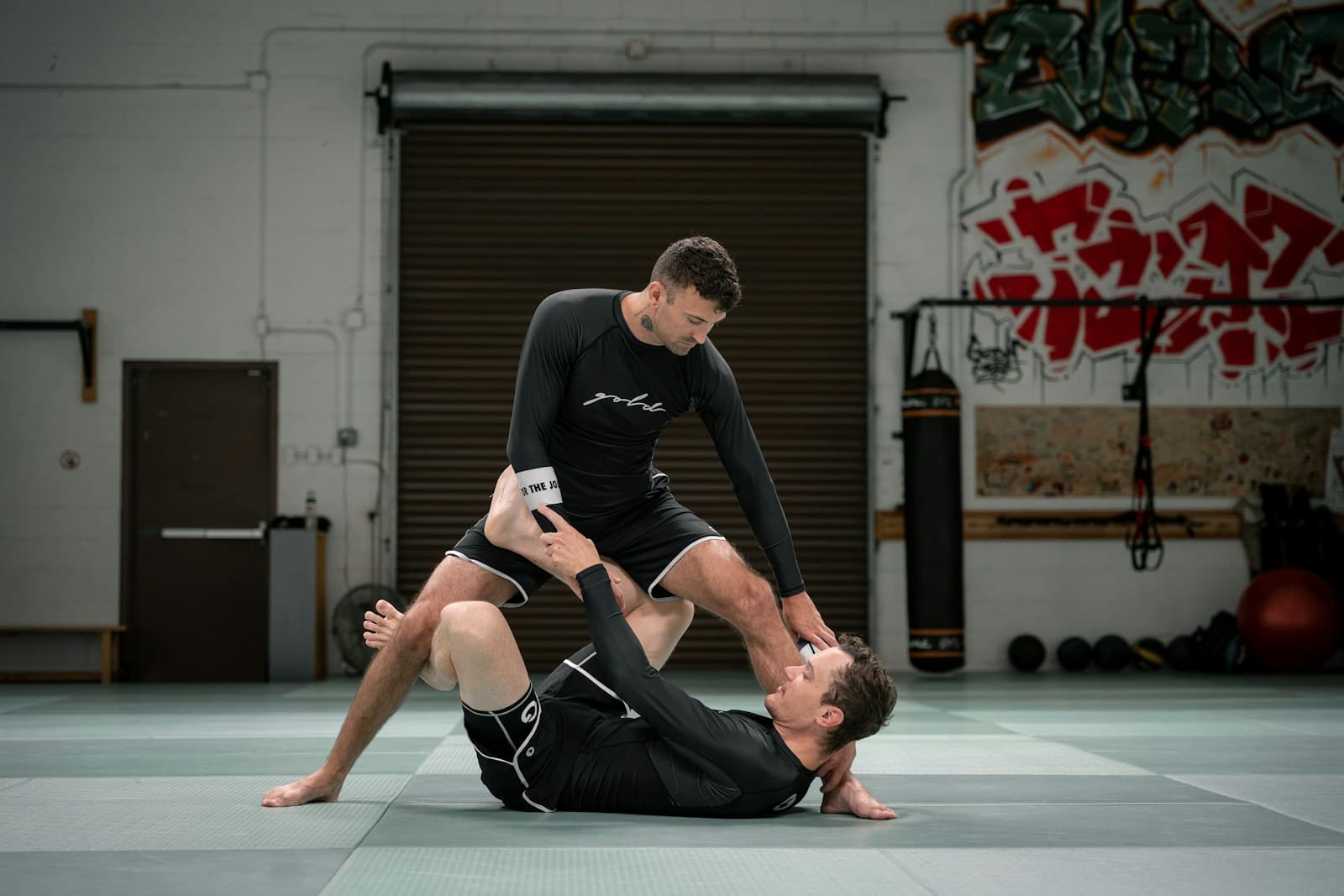
A martial arts school's operations manual needs three things generic studio SOPs don't: sparring safety protocols, rank ceremony procedures, and equipment inspection logs. Sparring safety SOPs written before an incident are accepted as professional standards — written after, they look reactive and attract regulatory scrutiny. Build them now.
Why Does a Martial Arts School Need a Written Operations Manual?
Most martial arts schools run on institutional knowledge — the head instructor knows how things work, the senior students help reinforce norms, and the procedures live in people's heads rather than documents.
That works until it doesn't: the head instructor is sick, a new sub instructor runs a class differently, a sparring injury happens and no one is sure who was responsible for checking gear, or a student complaint about belt testing fairness can't be resolved because the criteria were never written down.
An operations manual is not bureaucracy — it's the difference between a school that can function when the owner is absent and one that can't.
What Should the Equipment Inspection SOP Cover?
Equipment inspection is the most neglected safety SOP in most martial arts schools. It's also the most defensible document you can have if an injury ever leads to a claim.
Weekly inspection checklist (mats and bags):
- Heavy bag chains and hooks: look for wear, deformation, or hairline cracks
- Heavy bag seams: check for tears that could expose filler material
- Mat surface: look for tears, gaps, or raised edges that create trip hazards
- Wall padding: check adhesion and seam integrity at corners
Pre-class inspection (sparring gear):
- Helmets: padding intact, chin strap functional, no cracked shell
- Body armor: seam integrity, strap condition, no exposed foam
- Shin guards and foot pads: strap condition, padding intact
- Hand wraps and gloves: no exposed foam, strap condition
What Should the Sparring Safety SOP Include?
Sparring safety is the highest-risk operational area in a martial arts school. An SOP that isn't written down will be applied inconsistently, especially by substitute instructors who default to their previous school's norms.
Core elements of a sparring safety SOP:
Eligibility criteria: Minimum age (e.g., 10 years old for light contact, 14 for full contact), minimum rank (e.g., yellow belt for light contact, green belt for full contact), physical clearance (no active injuries, no recent concussion protocol).
Gear requirements: What gear is required by sparring type. Light contact: helmet, body armor, gloves. Full contact: all of the above plus shin guards and foot pads. Optional: mouth guard required for all sparring regardless of level.
Supervision ratio: Maximum students per sparring coach (common standard: 6:1 for supervised sparring, 4:1 for beginners or youth). No student sparring unsupervised.
Contact rules by level: Specific contact restrictions written out, not just "controlled contact." For youth sparring: no head contact above the guard, no sweeps. For intermediate: defined target areas and power restrictions.
How Do You Document Rank Promotion Criteria?
Belt testing disputes are one of the most common friction points between students, parents, and school owners. Disputes almost always arise when promotion criteria are implicit rather than explicit.
A rank promotion SOP should specify for each belt level:
- Minimum time at current rank (e.g., 3 months minimum at white belt)
- Minimum class attendance (e.g., 80% attendance of classes offered)
- Required techniques (list by name and category)
- Testing format (who scores, scoring criteria, minimum passing score)
- Ceremony procedure (who presents belt, in what setting, what is said)
Written criteria give you a defensible answer when a parent argues their child deserved to advance. They also allow assistant instructors to teach toward specific promotion standards rather than generic "progress."
What Should the Rank Ceremony Procedure Look Like?
Rank ceremonies are the highest-retention events in a martial arts school calendar. A student who experiences a meaningful belt ceremony is more likely to continue training — the ceremony anchors the achievement in memory.
Belt ceremony SOP:
- Schedule ceremonies on a fixed monthly or quarterly date (not ad hoc after individual tests)
- Notify families at least two weeks in advance — parents attending matters to students
- The head instructor presents each belt personally and states something specific about the student's progress
- Document ceremony with photos (with parent permission) — post to the school's social media or send to families
- New rank is noted in the student's record in your school management software
For connection to scheduling and enrollment management, see the martial arts school booking software guide.
How Do You Build a Sub Instructor Protocol?
A sub instructor protocol covers three scenarios: planned absence (head instructor on vacation), unplanned absence (illness, emergency), and supplemental instruction (head instructor present but adding coverage for a second mat).
Sub instructor requirements to document:
- Approved sub list with contact information
- Credential verification on file (belt rank, any certifications)
- Proof of personal liability insurance or coverage under school policy
- Curriculum notes for the class being covered
- Student information (any injuries, behavioral considerations)
The protocol should specify how much notice the head instructor must give before a planned absence, what happens if a sub cancels last-minute, and whether subs can modify curriculum (most schools say no without approval).
How Do You Handle Incident Reporting?
Every school should have a written incident report form and a clear protocol for when and how to complete it.
Incidents to report: any physical injury (regardless of severity), equipment failure that could have caused injury, student behavioral incidents involving physical contact, and near-misses (a student almost fell from equipment, a sparring exchange nearly exceeded contact rules).
The incident report should capture: date, time, class, instructor present, names of all involved, description of what happened, immediate first aid provided, whether 911 was called, and follow-up action taken. Reports should be filed within 24 hours of the incident and stored in a secure location — digitally is preferable for searchability.
For connection to the broader management platform, see the martial arts school playbook and opening a martial arts school.
External sources:
- Martial Arts Industry Association (MAIA) — school operations and insurance resources
- OSHA small business resources — workplace safety documentation requirements
Run your studio on Zatrovo
Manage class scheduling, student records, and rank tracking for martial arts schools on one platform.

We write playbooks for studio operators — based on data from thousands of studios running on Zatrovo across pilates, yoga, lash, nail, massage, salon, dance, and fitness.
Related reading
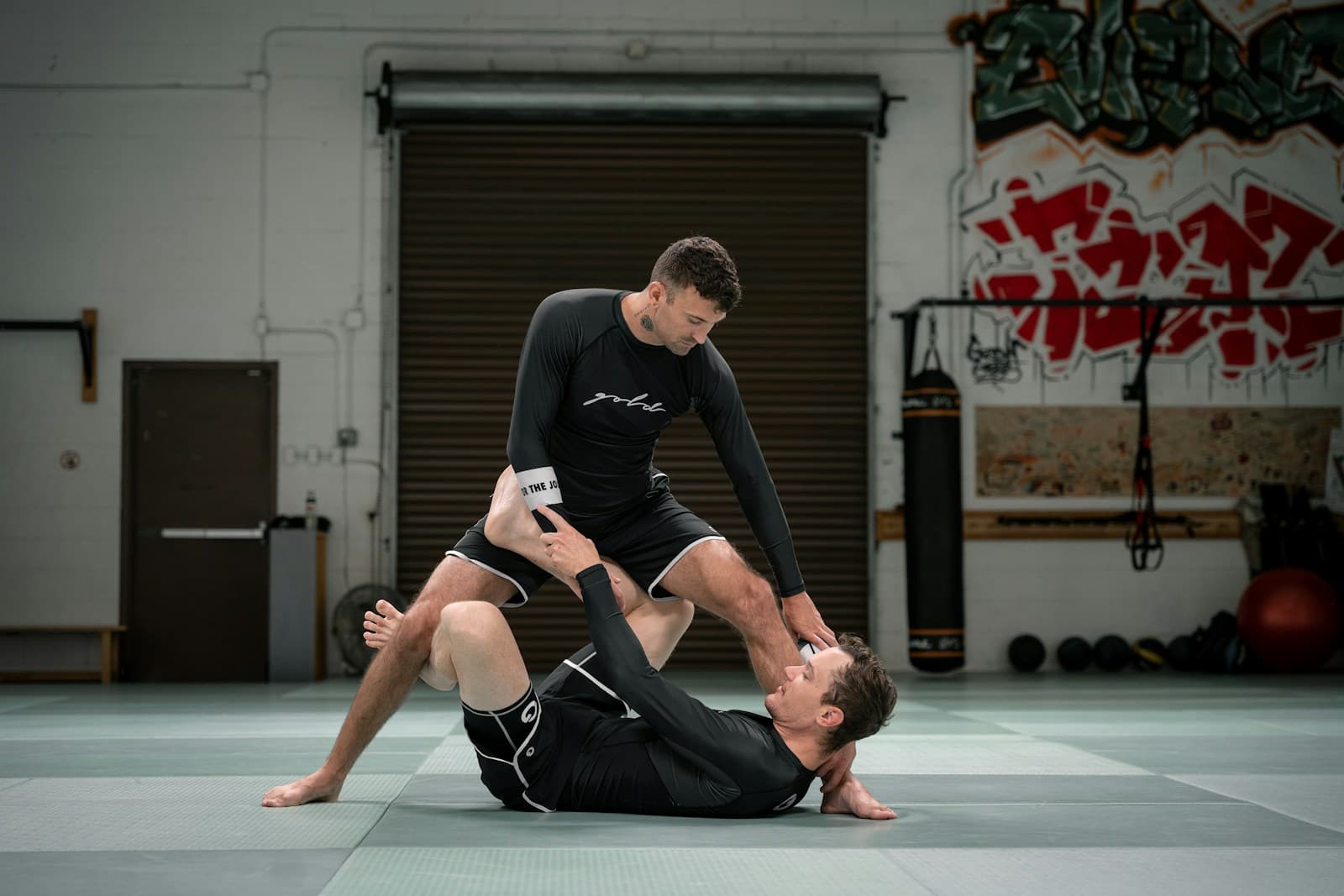
Martial Arts School Software Hub: Belt Tracking, Attendance, and Billing for Dojos
Every martial arts school software guide in one place — belt level tracking, attendance streaks, testing fee management, and the platforms built for martial arts schools.
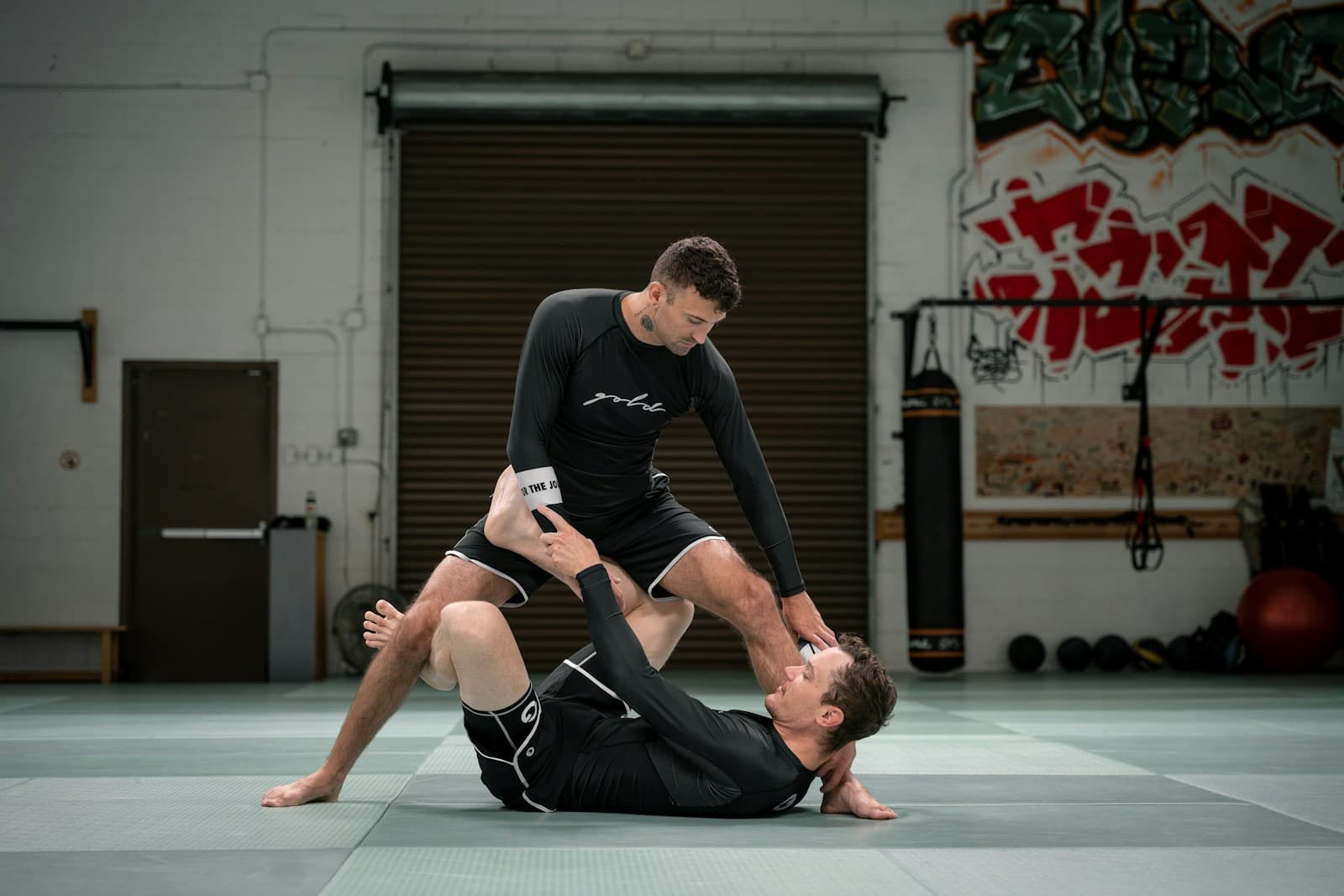
Martial Arts School Business Playbook: Retention + Revenue
The belt-cycle retention math and contract pricing that separates profitable dojos from hobbyist schools in 2026.
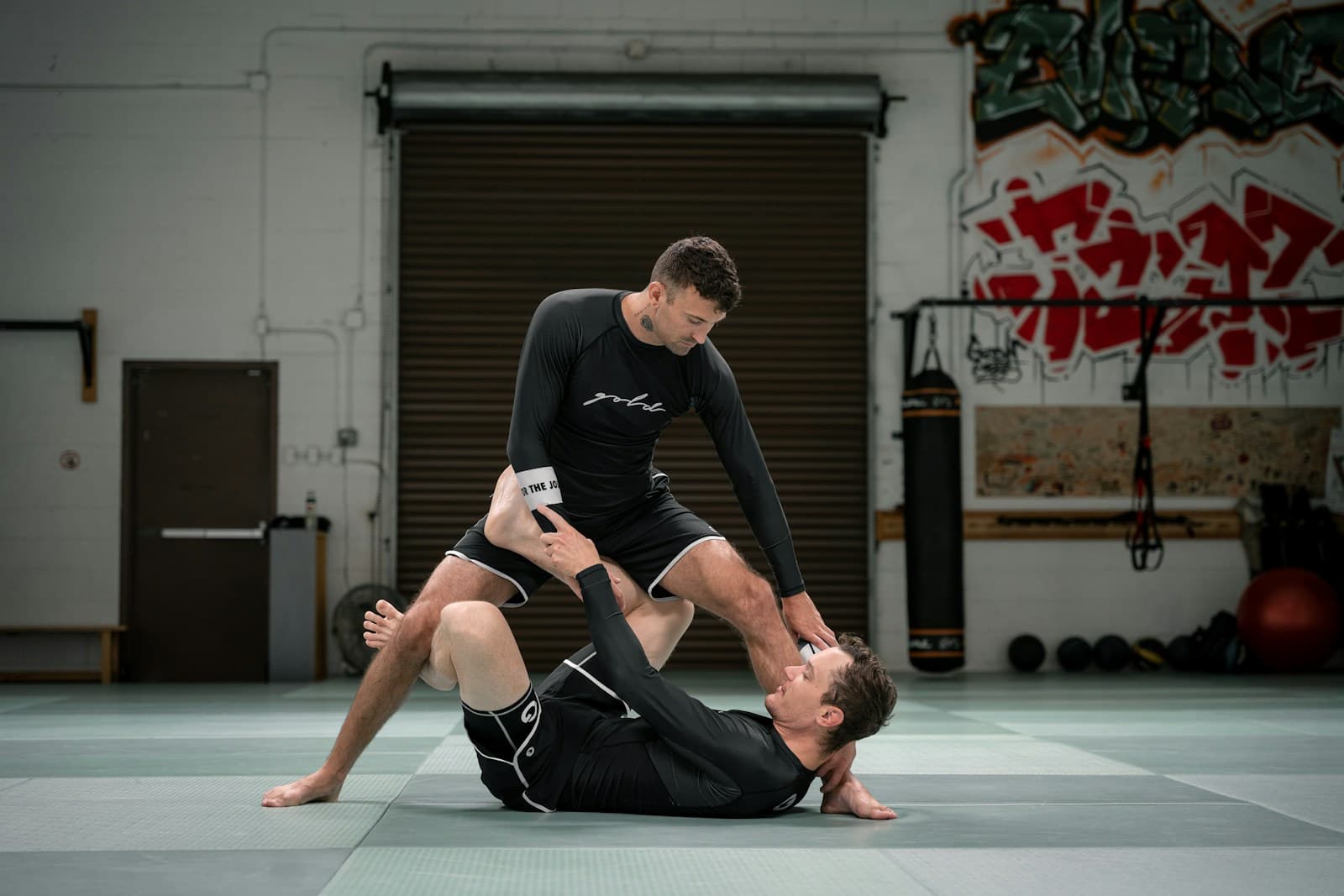
Belt Promotion Event Planning: The Ceremony That Makes Families Stay for Years
A belt promotion event format — timing, ceremony flow, family involvement, photography — that becomes the school's highest-retention moment.