CrossFit Gym Business Plan: Member Count and Revenue Model for 50 to 200 Athletes
A business plan model for CrossFit boxes at 50, 100, and 200 members — with equipment depreciation, coaching cost, and break-even timelines.
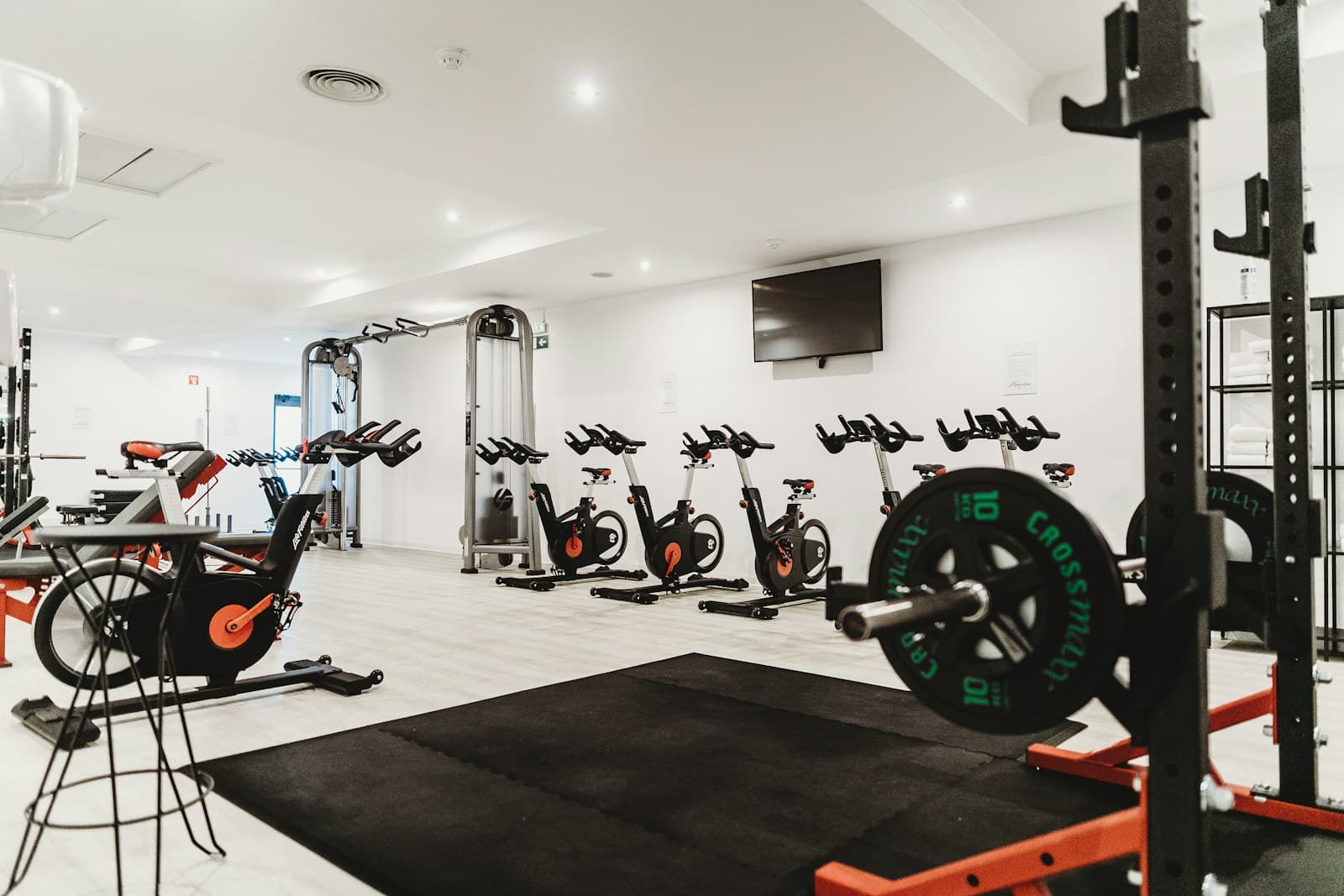
Most CrossFit business plans model revenue accurately but miss the coaching cost inflection. A box coaching structure that works at 50 members becomes the profitability ceiling at 200 — the math looks completely different and breaks most early projections. This model covers 50, 100, and 200 member scenarios with coaching cost broken out at each tier.
Why Coaching Cost Is the Variable Most Plans Get Wrong
CrossFit box revenue scales linearly with membership count. Coaching cost does not.
At 50 members, a single head coach teaching 20 classes per week handles programming and most instruction. Coaching cost as a percentage of revenue: 35–45%. That's tight but manageable.
At 100 members, class frequency increases and the head coach needs help — typically one or two part-time coaches. Coaching cost: 25–35% of revenue. The percentage drops because the revenue base grew faster than the additional labor cost.
At 200 members, the labor model breaks. You need three to four coaches to cover a full schedule, plus a head coach who increasingly manages rather than teaches. Coaching cost can drop to 15–22% of revenue — excellent margins — but only if the labor structure is properly designed. If it isn't — if you added coaches reactively without restructuring the schedule — coaching cost stays at 30–35% of a much larger revenue base, which is the worst of both worlds.
The business plan needs to model all three scenarios explicitly, not just the steady-state target.
What Does a 50-Member Box Look Like Financially?
A 50-member box is a small-team operation — typically one full-time or owner-coach with one part-time assistant.
Physical setup: 2,500–4,000 sqft open space, full equipment set. Monthly rent: $3,000–$6,000.
Revenue model:
At $10,685/month in revenue against typical fixed costs of $9,500–$11,000 (rent + coaching + affiliate fee + insurance + software), this is a thin-margin operation. The owner is likely the head coach and not taking a full market-rate salary. The model becomes viable when membership grows toward 75–80 and coaching can be maintained at current levels.
What Does a 100-Member Box Look Like Financially?
The 100-member box is where the economics start to work properly.
Revenue model:
The critical shift at 100 members: the owner can begin drawing a real salary ($4,000–$6,000/month) and still maintain positive cash flow. The box is no longer a break-even lifestyle business — it is a properly capitalized operation with room to invest in equipment, additional coaching, and marketing.
Coaching structure at 100 members: head coach (owner or hired) at 20 classes/week + two part-time coaches at 10 classes/week each. Total coaching cost: $5,500–$8,000/month. As a percentage of $20,000 revenue: 27–40%.
What Does a 200-Member Box Look Like Financially?
The 200-member box requires a management structure, not just a coaching structure.
At 200 members, a box typically runs 50–70 classes per week across peak morning, noon, and evening slots. Three to four coaches minimum, plus a head coach who is increasingly an operator and less a teacher. This transition is where most owner-coaches struggle — the skills that built the box are different from the skills that scale it.
The 200-member box at 38% net margin is a genuinely strong business. But the path from 50 to 200 requires intentional coaching structure design at each growth stage — not reactive hiring when classes get too crowded.
What Are the Startup Costs for a CrossFit Box?
Equipment is the dominant startup cost for CrossFit boxes — higher relative to space size than almost any other fitness format.
Equipment (single box setup):
- Barbells (15–20): $3,000–$6,000
- Bumper plates (full set): $5,000–$10,000
- Power racks or squat stands (6–10): $4,000–$9,000
- Concept2 rowers (8–12): $8,000–$13,000
- Assault bikes (4–8): $4,000–$8,000
- Pull-up rigs: $3,000–$7,000
- Jump ropes, kettlebells, dumbbells, meds balls: $3,000–$6,000
Total equipment budget: $30,000–$60,000 for a properly equipped box.
Space: CrossFit boxes typically run in commercial or light industrial spaces — lower rent per sqft than retail. Minimal fit-out beyond flooring and HVAC.
How Does On-Ramp Program Revenue Factor Into Year-One Projections?
On-ramp programs are the entry point for new members and a meaningful year-one revenue line that most business plans undercount.
A box adding 8–12 new members per month through a $200 on-ramp program generates $1,600–$2,400/month in on-ramp revenue. Over 12 months, that is $19,200–$28,800 — 15–20% of year-one total revenue for a box at 50–75 members.
Model on-ramp revenue explicitly. It is the primary revenue source in the first six months while the membership base builds. Boxes that rely entirely on membership revenue projections for year-one cash flow consistently underestimate revenue and overestimate the time to break-even.
For the CrossFit gym software guide that covers scheduling, WOD sign-up, and member management for boxes at all stages, see the CrossFit studio software hub. For membership pricing benchmarks, see CrossFit membership pricing and the full profitable CrossFit gym guide.
Run your studio on Zatrovo
Zatrovo handles membership billing, on-ramp tracking, class scheduling, and the reporting to run your box's numbers in real time.

We write playbooks for studio operators — based on data from thousands of studios running on Zatrovo across pilates, yoga, lash, nail, massage, salon, dance, and fitness.
Related reading
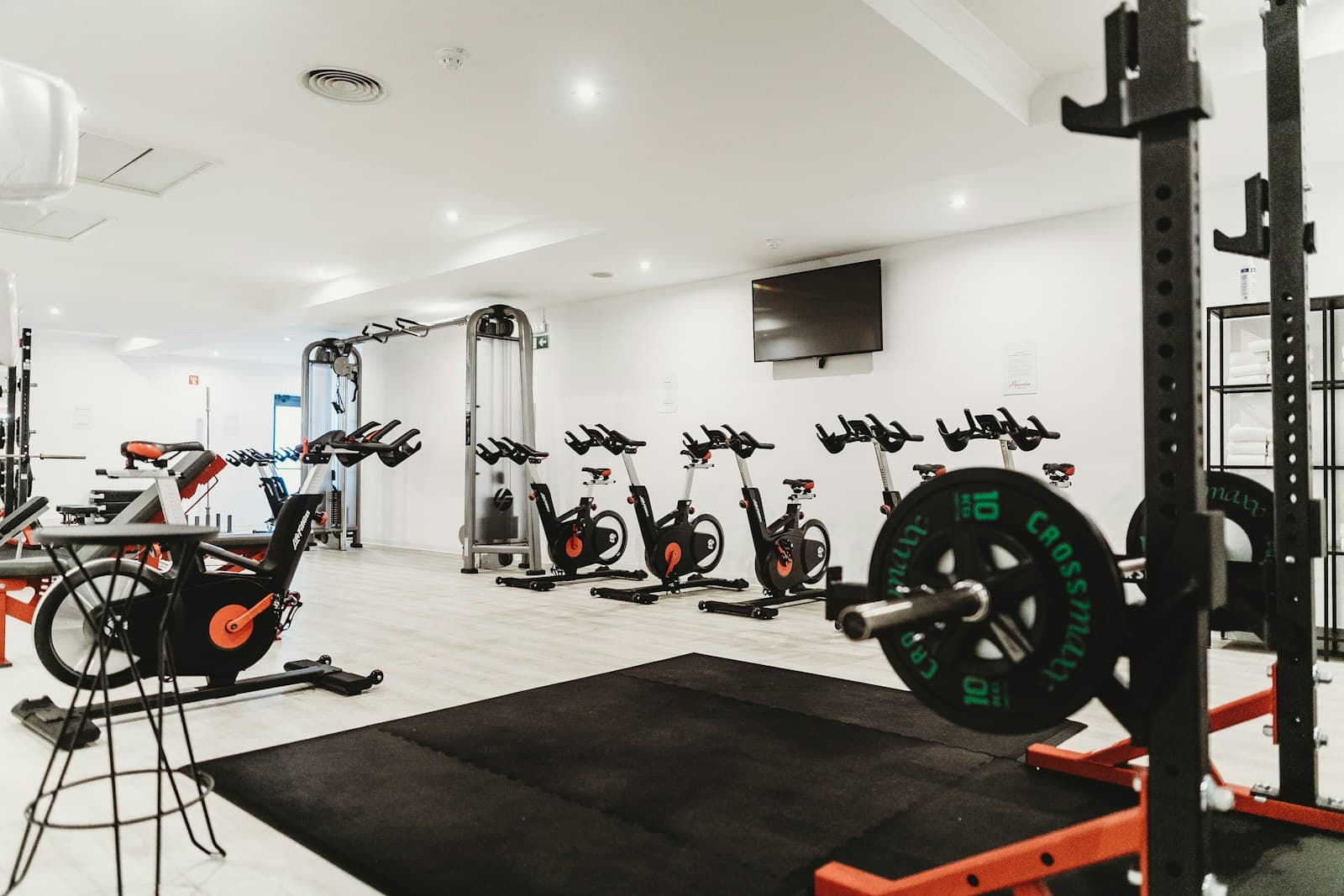
Opening a CrossFit Gym: Square Footage, Equipment Cost, and the Affiliate Fee Reality
The real startup costs for a CrossFit box — affiliate fee, equipment, lease, and the floor plan that determines class capacity.

Beauty Studio Business Plan: Revenue Model for 1-Room and 3-Room Studios
A business plan framework for single-room and three-room beauty studios — with treatment revenue, retail margin, and break-even timeline.

Hair Salon Business Plan: Revenue Model for 4-Chair and 8-Chair Studios
Business plan templates sized for 4-chair and 8-chair salons — with real break-even timelines and revenue assumptions.