CrossFit Community Recognition: PR Boards, Milestone Events, and the Culture That Retains Athletes
Non-discount recognition structures — PR boards, class anniversary celebrations, in-house competitions — that sustain community belonging.
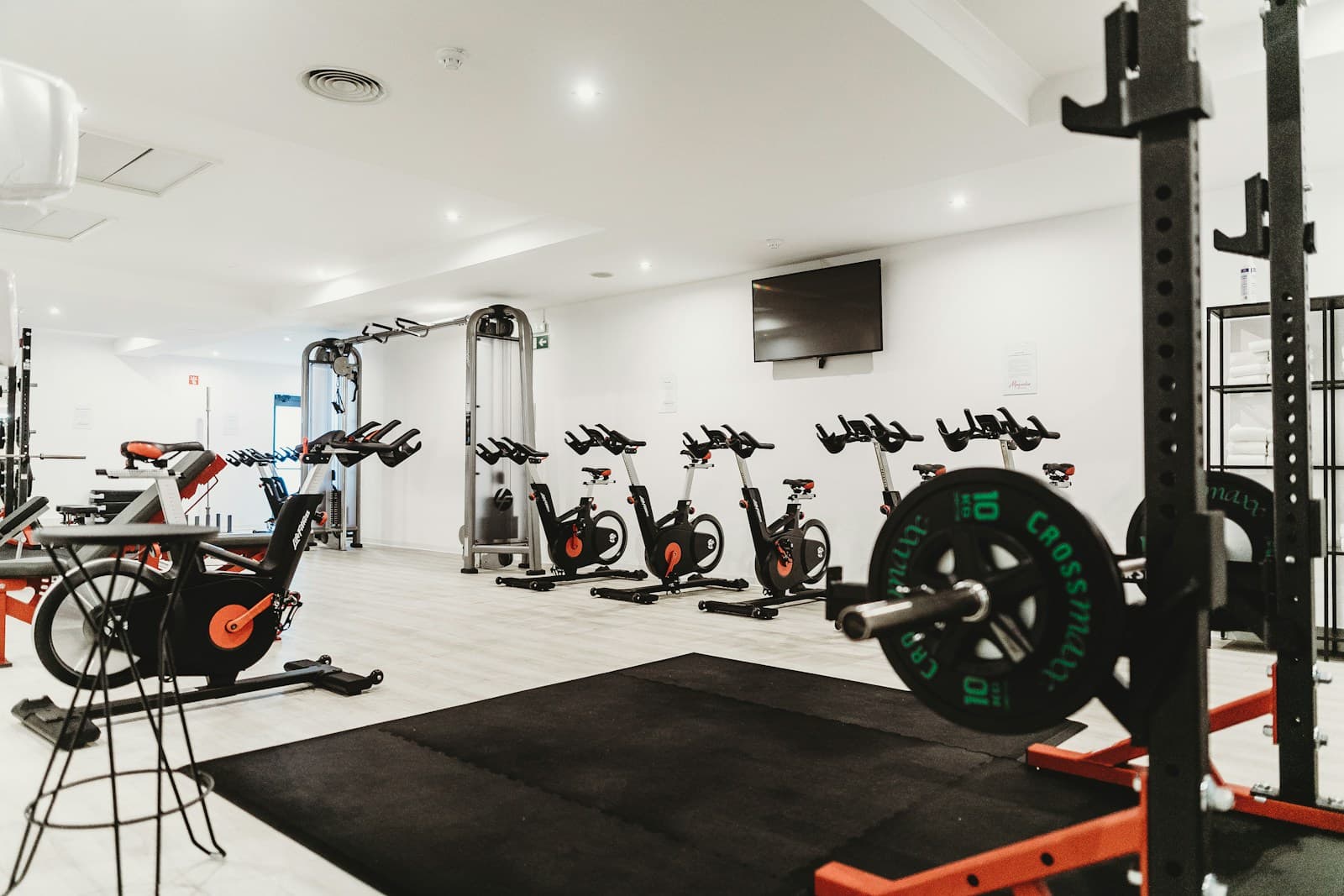
CrossFit athletes who feel seen and celebrated churn at half the rate of those who just show up and leave. Community recognition — PR boards, class anniversaries, in-house competitions — is not supplemental to the CrossFit experience. It is the CrossFit experience for most members. The boxes with the best retention are the ones that formalized what great coaches were doing informally.
Why CrossFit Retention Is a Community Problem, Not a Programming Problem
Athlete attrition at CrossFit boxes is rarely driven by programming dissatisfaction.
When athletes cancel, the most common reason cited in exit surveys is "feeling less connected to the community" — not poor coaching, inconvenient scheduling, or pricing. The community is both the product and the retention mechanism. When it weakens, churn follows.
This creates a specific operational opportunity: community recognition programs are not add-ons or perks. They are direct retention infrastructure. Every formal recognition event — a PR board update, a class anniversary shout-out, an in-house competition — is an investment in the community fabric that keeps athletes paying dues.
How Does a PR Board Work as a Retention Tool?
The PR board is the original CrossFit recognition mechanism, and it works because it is visible, permanent, and continuously updated.
An athlete's name on a PR board is not just recognition — it is social proof, a marker of effort invested, and a record that persists beyond the class session. Visiting a competitor's box and seeing that your name isn't on their board is an invisible retention mechanism for your own community.
The PR board works best when:
- It is in a high-visibility location (arrival path, front lobby, or beside the programming whiteboard)
- It covers multiple movement categories, so multiple athletes can hold PRs simultaneously
- It is updated in real time, not batch-updated weekly
- New PRs are verbally acknowledged in class by the coach at the moment they happen
The categories you track matter. A board that only shows barbell PRs excludes athletes who don't prioritize lifting. Include gymnastics skills (first muscle-up, first handstand walk), conditioning PRs (5km row, mile run), and endurance benchmarks alongside strength numbers. Broader categories mean more athletes see their name.
What Is the Class Anniversary Recognition System?
The Class Anniversary Recognition System is a formal annual acknowledgment of each athlete's membership start date — designed to create a personal milestone that reinforces belonging.
At its simplest: on an athlete's one-year anniversary, the coach mentions it in class, the box's social media posts a brief acknowledgment, and the athlete receives a brief personal message from the head coach.
More structured versions include:
- A physical token (anniversary patch, branded item) at year one and year three
- A "founding member" status for athletes who joined in the first six months
- An annual "anniversary week" where all athletes who reached their anniversary that month are recognized in a single class event
The retention mechanism is twofold. The athlete feels genuinely seen for their commitment — not just as a billing unit, but as a community member with a history. And the public acknowledgment creates social proof that the box has long-term members, which is itself a recruitment signal for prospects.
How Do In-House Competitions Drive Retention?
In-house competitions are the highest-intensity community events a CrossFit box can run — and the most effective single retention event in a given year when designed correctly.
The design principle for retention-focused in-house competitions: maximize participation, not prestige.
An elite in-house competition that only 15–20% of athletes can realistically participate in produces a great event for that 15–20% and creates a passive experience for the other 80%. The retention impact is limited to a fraction of your membership.
An inclusive in-house competition — scaled divisions from fundamentals to Rx, team formats that mix experience levels, movements chosen for broad accessibility — can see 60–70% of active members participate. The retention impact scales with participation.
The random-draft team format deserves specific attention. When the box assigns team compositions randomly — mixing competitive and recreational athletes — the event creates cross-community relationships that would not form naturally in a normal class environment. An experienced athlete and a six-month member who compete together build a bond that is genuinely hard to break. That relationship is a retention mechanism independent of programming, pricing, or any other factor.
What Does a Quarterly Recognition Calendar Look Like?
A structured recognition calendar prevents recognition from becoming ad hoc — happening when someone remembers, not as a consistent community cadence.
A minimal quarterly calendar:
Q1 (January): Annual community retrospective — most PRs set, most classes attended, longest tenure. Public celebration of the previous year's achievements.
Q2 (April): Spring in-house competition. Team format, all levels, high participation target.
Q3 (July): Midyear anniversary acknowledgments. Recognize all athletes who hit their one-year and two-year milestones in Q1–Q2.
Q4 (October): Pre-Open recognition. Highlight athletes who have shown the most improvement in key benchmark movements since the last Open.
This is not a complex program. Each event requires 2–4 hours of preparation and runs inside the existing class structure or as a one-day event. The output is four major community recognition moments per year — enough to create the belonging experience that drives retention.
For the broader retention and programming framework, see the CrossFit athlete retention guide and the profitable CrossFit gym guide.
How Do You Handle Recognition for the Competitive Team?
Competitive athletes and recreational athletes need different recognition formats, but both need to be visible at the box.
For competitive athletes: performance recognition is the primary currency. PR board placement, competitive team selection announcements, competition results posted to the box's social. The box should make a visible deal of athletes who compete and perform well — it signals that the competitive track is valued.
For recreational athletes: community and consistency recognition matters more than performance. The anniversary acknowledgment, the in-house competition participation award, the attendance milestone recognition. An athlete who has been showing up for three years at 3x/week but never competes is one of the most valuable community members the box has — they should feel that explicitly.
Also see: CrossFit referral program guide and win back CrossFit athletes for the full retention ecosystem.
Run your studio on Zatrovo
Track athlete milestones, automate anniversary alerts, and run recognition programs from the same platform as your scheduling and billing.

We write playbooks for studio operators — based on data from thousands of studios running on Zatrovo across pilates, yoga, lash, nail, massage, salon, dance, and fitness.
Related reading
CrossFit Athlete Retention: The Community Metrics That Predict Who's About to Leave
Attendance patterns and social signals that predict dropout 6 weeks out — and the coach-initiated check-in that brings athletes back.
Win Back Lapsed CrossFit Athletes: Why 'We Miss You' Doesn't Work
Win-back messaging for CrossFit athletes that addresses why they actually left — not the generic we-miss-you blast that boxes default to.
CrossFit Gym Booking Software: WOD Sign-Up and Member Tracking That Boxes Actually Need
The booking features specific to CrossFit boxes — WOD sign-up with class caps, attendance streaks, and drop-in management.