CrossFit Referral Programs: Team Culture as the Referral Engine
Referral mechanics that use CrossFit's team culture as the engine — class-together rewards and partner WODs — instead of membership discounts.
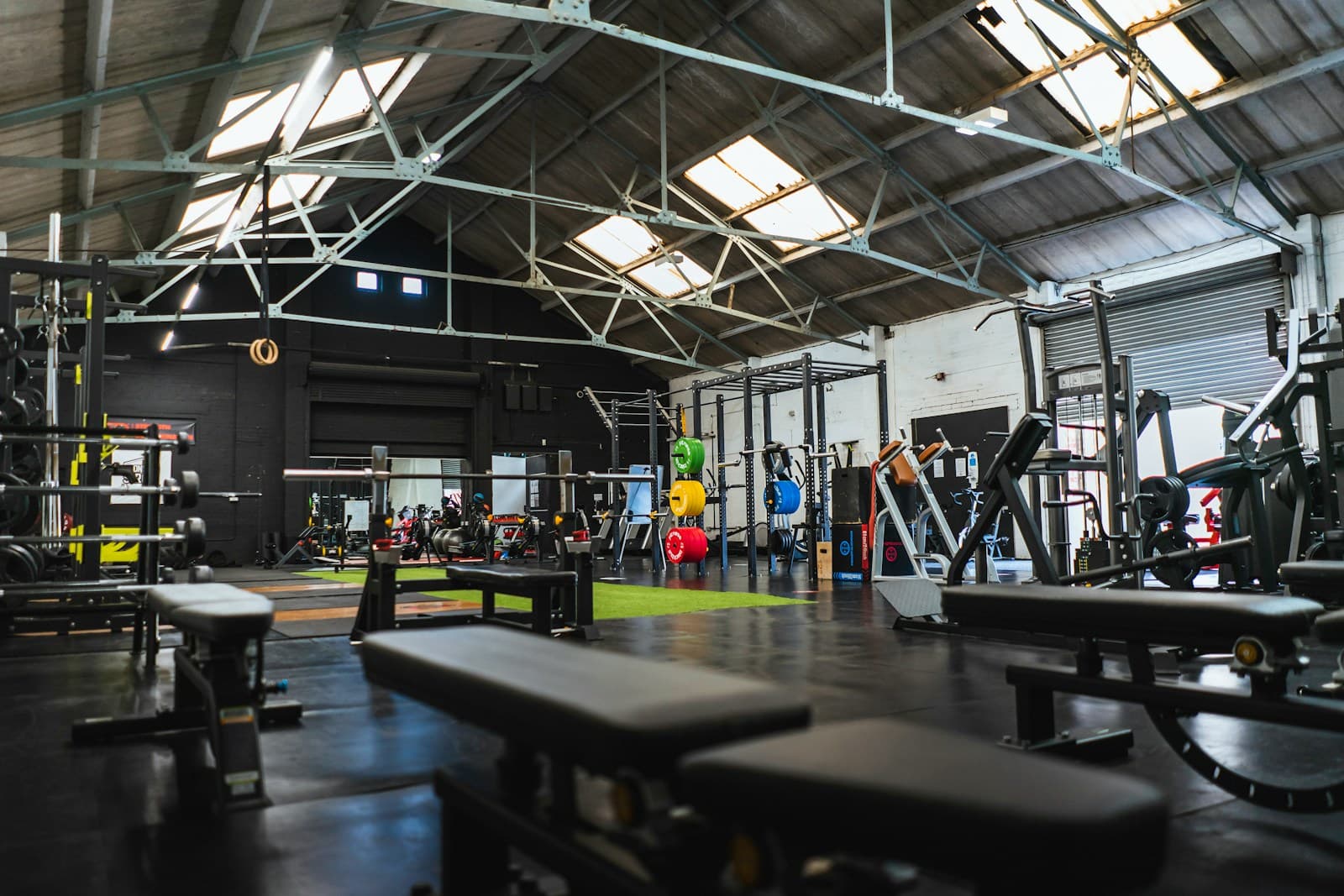
CrossFit's built-in community is the most powerful referral driver in boutique fitness. Athletes who train together, compete together, and celebrate PRs together are already having the conversations that drive referrals — most boxes just lack a mechanism to capture them. Class-together reward structures formalize what's already happening and produce 35–50% more referral activity than discount-based programs (Zatrovo benchmark, 2026).
Why Discount-Based Referrals Underperform in CrossFit
Most fitness referral programs offer a discount coupon: "Refer a friend, get $20 off next month."
That structure treats referral as a transaction. It's adequate for businesses where the product is interchangeable — a discount on a commodity. CrossFit is not a commodity. The box's community is the product.
Discount-based referrals produce acquaintances. Class-together incentives produce training partners. Training partners stay.
What Is the Partner WOD Referral Structure?
The Partner WOD Referral Structure uses CrossFit's native format — partner workouts — as the referral mechanism.
The structure:
-
The ask: Existing members receive a "Partner Day Pass" — a physical card or digital pass allowing them to bring a non-member for free to any designated Partner WOD session.
-
The experience: The member and their guest do a partner WOD together. The guest experiences CrossFit's community intensity at its most collaborative — not a solo trial, but a shared challenge.
-
The offer: After the WOD, the coach (or enrollment coordinator) speaks with the guest. The referring member has already done most of the selling — they trained together for 20 minutes.
-
The reward: If the guest completes on-ramp, both receive the class-together reward: one free month each, credited to their accounts simultaneously.
This structure creates four conversion advantages: social proof (friend vouches for the box), shared experience (they trained together before the conversation), emotional peak (post-WOD endorphins), and aligned incentives (both benefit when the friend commits).
How Do Partner WOD Passes Work Logistically?
Limit Partner WOD sessions to 2–3 designated slots per week — typically a Saturday morning or a popular evening class.
Why limit? Unlimited guest access devalues the experience and creates scheduling friction for regular members. Scarcity on the designated sessions makes the pass feel special and keeps guest-to-member ratios manageable.
Member distribution: give every active member two Partner Day Passes at the start of each quarter. They expire at quarter-end. Replace unclaimed passes with a reminder: "Your passes expire at month end — who in your life should experience this?"
Track guest check-ins separately from regular class attendance. When a guest checks in, flag their record for post-WOD enrollment follow-up.
How Do You Time Referral Asks Throughout the Member Lifecycle?
Don't wait for a special event. Build referral asks into standard member touchpoints.
Month 1 (after on-ramp completion): "You've completed on-ramp — here are two Partner Day Passes. If you know anyone who's been thinking about this, bring them."
Month 3 (first major PR moment): After a personal record, the coach makes an in-person referral mention. Not scripted — just natural: "You've come a long way in three months. Anyone in your life who should see this?"
Month 6 (six-month milestone): Send a milestone message with a referral reminder and fresh passes.
Ongoing (Benchmark weeks): During Open or any benchmark testing week, members naturally talk about their results. This is the highest organic referral period in CrossFit's calendar. Run a simple "Bring a Friend to Benchmark Week" promotion.
How Do You Integrate Referrals With the Broader Marketing Calendar?
Referral programs produce the most volume when coordinated with existing high-traffic moments.
New Year (January): The highest new-trial period in fitness. Run a "Bring a Friend to On-Ramp January" campaign — double pass distribution, expedited on-ramp starting dates. January referral campaigns at CrossFit boxes generate 2–3x the referral volume of other months.
Open Season: During the CrossFit Open (typically January–February), community energy is high. Invite referred guests to watch Open workouts — the spectacle is a better advertisement than any ad.
Summer kickoff (May–June): A second major enrollment window. Partner the referral push with a "Summer Games" internal competition that members can only participate in if they've brought a friend.
For the full CrossFit acquisition and retention framework, see our profitable CrossFit gym guide and CrossFit athlete retention guide.
Run your studio on Zatrovo
Member management, referral tracking, and class scheduling for CrossFit boxes.

We write playbooks for studio operators — based on data from thousands of studios running on Zatrovo across pilates, yoga, lash, nail, massage, salon, dance, and fitness.
Related reading

Spin Studio Referral Programs: Ride Together Rewards That Grow Both Accounts
Referral mechanics built on paired riding — bonus rides for both referrer and friend when they ride together — that deepen community ties.
CrossFit Gym Local SEO: Rank for 'CrossFit Near Me' When Motivated Athletes Search
GBP optimization and service-specific landing pages that capture high-intent CrossFit searches at the moment of motivation.
CrossFit Gym Instagram Marketing: WOD Content That Attracts Athletes — Not Just Spectators
Content strategy for CrossFit boxes that converts Instagram viewers into trial inquiries — focused on relatability over performance highlights.