Spin Studio Referral Programs: Ride Together Rewards That Grow Both Accounts
Referral mechanics built on paired riding — bonus rides for both referrer and friend when they ride together — that deepen community ties.
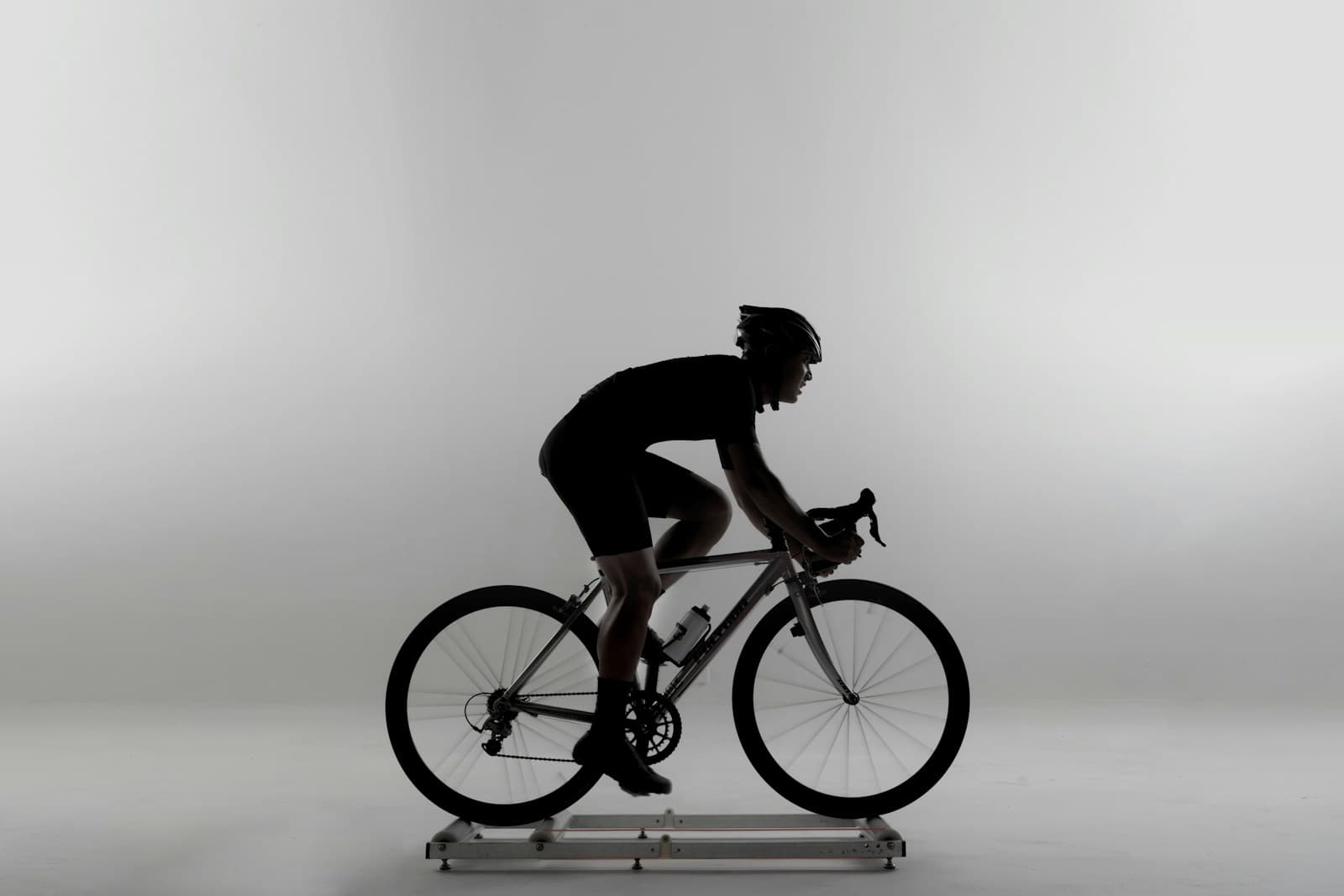
Riders who join a spin studio with a friend have 40% longer membership tenure than solo joiners (Zatrovo benchmark, 2026). Paired ride rewards formalize the social dynamic already driving your best retention outcomes. When both riders earn bonus credits for attending the same class, the referrer becomes an active retention agent — they're not just recommending the studio, they're coordinating schedules to make it happen.
Why "Come Together" Beats "Come Try It"
Standard referral programs ask members to pass along a discount code. The member texts a link, the friend may or may not click it, and the referring member has no further stake in the outcome.
Paired ride rewards change the incentive structure. Now the referring rider benefits when their friend actually shows up to ride with them. They'll follow up. They'll coordinate. They'll answer questions about what to wear, how to set up the bike, and what class to take first.
This is not a gimmick — it's matching the incentive to the behavior that actually produces a retained subscriber.
What Does the Paired Ride Reward Structure Look Like?
The Ride Together Program is the packaged version of paired ride mechanics.
Setup:
- Every subscriber receives a unique referral link (shareable via text or social)
- Friend uses the link to book and attend their first class
- When the friend books the same class as the referrer within their first 30 days, both receive 2 free ride credits
- Credits are added to both accounts immediately after the joint class check-in
Communication to existing members: "Bring a friend to ride — when you ride together for the first time, you both earn 2 free rides. Share your link: [unique link]."
Communication to new riders after they use the referral link: "Your friend [name] invited you to ride together. Book any class and text them to join you — when you ride the same class, you both earn free rides."
The notification after the friend books creates a coordination trigger — the friend is likely to tell the referrer they've booked, which prompts the referrer to join the same class.
How Do You Handle Scheduling Coordination?
The paired ride mechanism only works if booking the same class is easy.
If your booking system shows class availability and lets members see which class their friend is registered for, coordination happens naturally. If booking is blind and riders can't see who else is in a class, add a simple mechanism: a note field at booking that says "I'm riding with [friend name] — please confirm they're in this class."
The manual check adds one step but closes the coordination gap for studios without shared schedule visibility.
For studios where classes are small (15–20 bikes), the coach can facilitate pairing: "Is there anyone here for their first ride with a regular member?" A physical introduction on the floor does more for first-ride retention than any digital message.
When and How Do You Ask for Referrals?
The ask should come after an emotional peak, not on a schedule.
In spin, the natural ask moments are:
After a rider's 10th class: The milestone itself is the hook. Send a "10-ride milestone" message — acknowledge the achievement, then: "The best way to celebrate? Bring someone else into it. Here's your referral link."
After a PR on output metrics: Many spin studios display live output data (watts, resistance). When a rider posts a personal best, send a triggered message: "You just hit a new output PR. Share what this feels like — your referral link gives a friend their first ride at half price."
After a rider posts on social: If your studio has social share integrations, a rider sharing their class summary is already in referral mode. Follow up immediately with their referral link.
How Do You Measure Whether the Program Is Working?
Three metrics, reviewed monthly:
Referral link activation rate: What percentage of subscribers have shared their link at least once? Below 10% means the program isn't visible enough or the reward isn't compelling. Above 25% means the program has real community traction.
Link-to-booking conversion: What percentage of shared links result in a first ride? Below 15% suggests the offer isn't compelling or the booking experience is frictionless. 20–30% is healthy.
Referred rider 90-day retention: Are referred riders staying at higher rates than non-referred? If not, the program is acquiring but not retaining — revisit the paired ride coordination mechanism.
For the full spin studio acquisition and community-building framework, see our fill your spin studio guide and spin rider retention guide.
Run your studio on Zatrovo
Referral tracking, automated follow-up, and subscription management for spin studios.

We write playbooks for studio operators — based on data from thousands of studios running on Zatrovo across pilates, yoga, lash, nail, massage, salon, dance, and fitness.
Related reading
Spin Studio Local SEO: Rank for 'Spin Class Near Me' When Motivation Is Highest
GBP optimization and class-specific landing pages that capture high-intent spin searches at the moments of peak motivation.
Spin Studio Instagram Marketing: Energy Clips That Sell the Room — Not Just the Workout
Content strategy for spin studios that sells the experience — darkness, energy, community — not just calorie counts and fitness metrics.
CrossFit Referral Programs: Team Culture as the Referral Engine
Referral mechanics that use CrossFit's team culture as the engine — class-together rewards and partner WODs — instead of membership discounts.