Hiring Martial Arts Instructors: Credentials and Teaching Ability Are Different Things
How to evaluate both technical rank and teaching ability — the two rarely correlate — and the trial class format that distinguishes them.
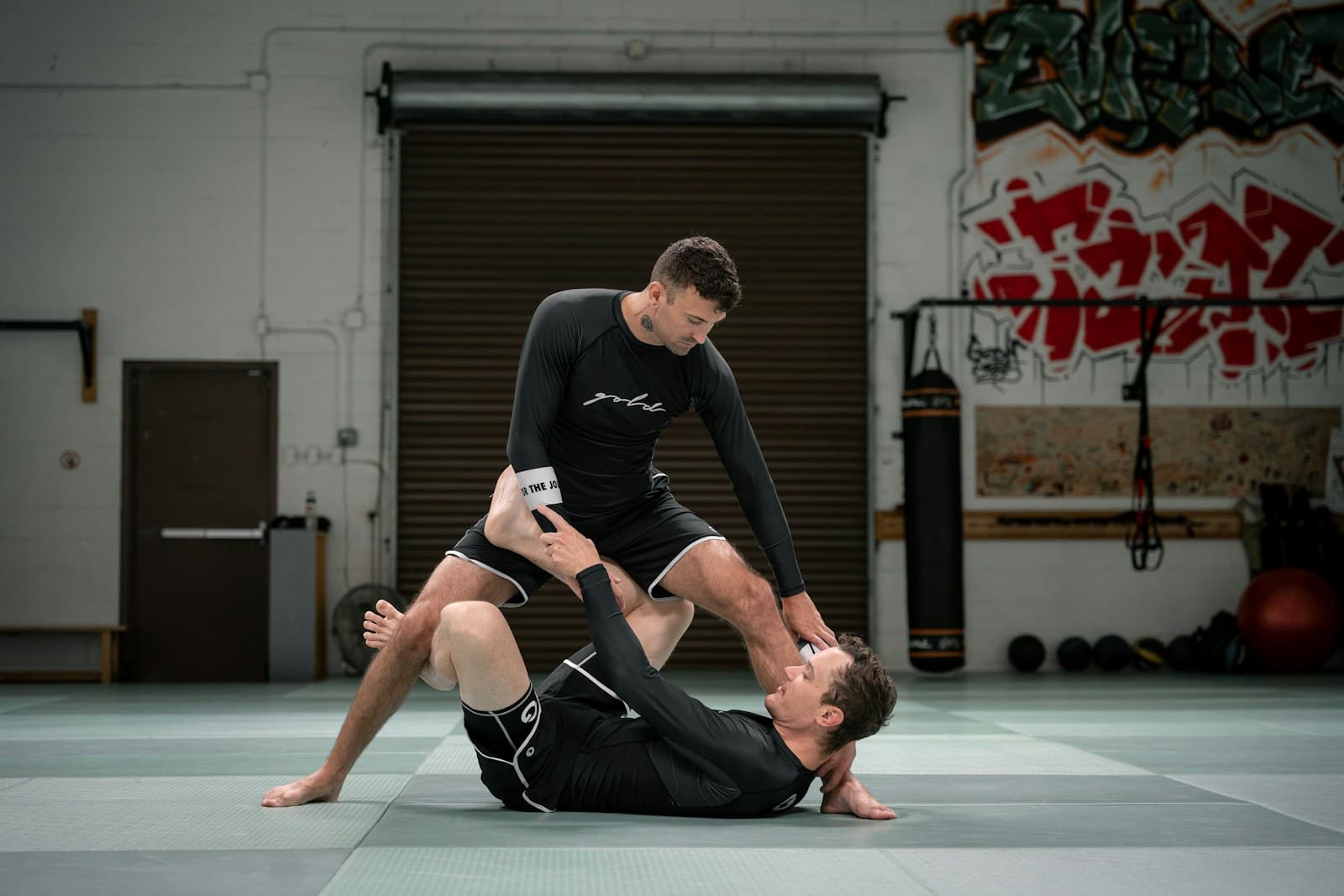
High-ranked practitioners who can't teach youth classes are the most expensive hiring mistake in martial arts schools. The trial class format that puts a candidate in front of real students for 30 minutes reveals what no resume or reference call can: whether they can communicate technique, manage a room, and hold the attention of a 9-year-old for 30 minutes.
Why Does Rank Predict Less Than Owners Expect?
Rank is a measure of personal mastery. Teaching is a separate competency.
A practitioner who earned their black belt through 10 years of training has internalized movement at a level where it's largely automatic. Teaching requires the opposite: making the automatic explicit, breaking down the unconscious into steps a beginner can follow.
The black belt who struggles to explain why their hip drives the technique — they just feel it — is common. So is the purple belt BJJ practitioner with 4 years of youth program coaching who can scaffold a technique from zero to competent in three class sessions.
What Is the Two-Filter Hiring Process?
The Two-Filter Hiring Process uses rank as the entry requirement and teaching ability as the selection criterion. Both filters are required; neither alone is sufficient.
Filter 1: Rank and Credentials Verification Confirm the candidate meets the minimum rank for the style and role (typically black belt first degree or equivalent for lead instruction). Verify with the certifying organization or their lineage documentation. For BJJ, a competition record or gym affiliation check is common.
Check any relevant background clearances required by your association or state licensing requirements.
Filter 2: The Trial Teaching Segment A 25–30 minute live segment in front of real students at the target age group. Not a demonstration of their own technique. A structured teaching segment where you observe how they explain, correct, and engage.
Score on three dimensions: instruction clarity (can a beginner follow?), error correction approach (supportive or discouraging?), and class energy (does the room stay engaged?).
How Do You Structure the Youth Trial Class?
Youth classes are operationally harder than adult classes. Attention spans are shorter, off-task behavior is more frequent, and correction style matters more (discouraging feedback has faster effects on youth attendance).
Structure the 25-minute trial as follows:
Minutes 0–5: Candidate leads a warm-up they choose. Observe energy level, whether they use names, and how they explain the warm-up to students who've never done it.
Minutes 5–20: Candidate introduces one fundamental technique (they choose from a short list you provide). Observe how they break the technique into steps, how they correct errors, and whether they can hold the room's attention.
Minutes 20–25: Free practice / partner drilling with the technique. Observe how the candidate circulates, gives individual feedback, and manages any student who is struggling or off-task.
Debrief with the candidate for 10 minutes after: ask them what went well and what they'd change. Their self-assessment reveals self-awareness that predicts long-term coachability.
What Does the Reference Check Process Look Like?
Request two references from supervisors at schools where the candidate taught — not training partners or personal instructors.
Ask these specific questions:
"How did their assigned students perform on retention compared to the school's average?" This is the highest-signal question. An instructor whose students re-enrolled above average produced real results.
"Describe a specific instance where a student struggled technically. How did the instructor respond?" This reveals error correction instinct from a witness perspective.
"Did you receive any complaints from parents or students specifically about their classes?" If yes: what happened, and how did the instructor respond?
"Would you rehire them for a teaching role if you had the opening?" A hedge answer here is signal.
For instructors transitioning from competitive careers to teaching, the gap between performance reputation and teaching track record is real. Weight the teaching-specific questions heavily.
What Pay Structure Works at Hire?
Entry-level martial arts instructors in the US typically earn $18–$35/hour for group classes or $25–$50/class depending on market and school type. Private lessons run $40–$80/hour for the instructor.
A flat per-class rate is simpler to administer at hire. A percentage of class revenue (15–25%) aligns the instructor's income with class performance but is harder to manage when classes have variable attendance.
Starting an instructor on flat rate with a 90-day performance review creates a clear pathway: if classes grow under their instruction, the next contract reflects that with either a higher flat rate or a move to percentage-based pay.
For the full pay structure breakdown, the martial arts instructor pay guide has market-rate benchmarks by style and market. The martial arts school playbook covers the broader operational context, and the instructor contracts guide has the clauses that matter for any style.
Run your studio on Zatrovo
Manage martial arts instructor schedules, class assignments, and payroll from one dashboard.
Sources:
- USA Martial Arts: Background screening requirements — federation-level clearance standards
- SafeSport: Training requirements for contact sports — child protection training resources

We write playbooks for studio operators — based on data from thousands of studios running on Zatrovo across pilates, yoga, lash, nail, massage, salon, dance, and fitness.
Related reading
Martial Arts Trial Classes: The Conversion Script That Gets Families to Enroll Same Day
Trial class structure and the same-day enrollment conversation that converts curious parents without pressure.

Hiring CrossFit Coaches: What the L1 Cert Doesn't Tell You About Teaching Ability
How to evaluate movement cueing, athlete reading, and class energy — the coaching qualities L1 certification doesn't test.
Martial Arts Instructor Pay: Per-Class vs Monthly Salary vs Revenue Share
The three pay models for martial arts instructors — and the one that keeps black belts teaching instead of opening their own school.