Lash Booking Software: The 8 Features That Matter
The 8 booking software capabilities lash studios use daily — and the 15 marketing features they ignore.
Lash studio owners evaluate booking software based on marketing feature lists that don't reflect daily workflow. The platform features that get used every single working day — client intake, deposit collection, appointment confirmation, artist notes, reminder sequences — are rarely the ones highlighted in pricing page comparisons. These 8 features are what lash studio operations actually run on.
What Makes Lash Studio Booking Different From General Appointment Software?
Lash services have specific operational requirements that general appointment tools weren't designed for: long appointment durations (90–180 minutes), high cost of no-shows, sensitivity and allergy intake requirements, artist-client relationship management, and deposit collection as a default, not an option.
General appointment tools built for massage therapists or personal trainers handle single-service, single-practitioner workflows well. Lash studios with multiple artists, a service menu of full sets, fills, and removals, and an allergy intake requirement are using a more complex operational profile.
Feature 1: Deposit Collection at Booking
A required or optional deposit charged to the client's card at the time of booking, refundable on cancellation outside the defined window, and forfeited (or partially charged) on late cancels or no-shows.
This is the single highest-ROI feature in lash booking software. A $30 deposit on a $150 full-set appointment reduces the no-show rate by 55–65%. At 3 appointments per artist per day, 5 days per week, and a 15% baseline no-show rate, that is 1.1 no-shows prevented per artist per week — or roughly $165/week in recovered revenue per artist without adding any new clients.
Feature 2: Digital Client Intake With Allergy Disclosure
A pre-appointment intake form completed by the client before arriving — not a paper form they fill out on arrival. The intake should cover: allergy history (adhesive, latex, formaldehyde), eye sensitivity, contact lens use, prior lash work history, and any medications that affect adhesion.
The digital intake captures consent, creates a legal record, and speeds the appointment start. A client who arrives having already completed intake can go straight to the bed, not the reception desk.
Feature 3: Client Profile With Lash Map and Notes
A per-client profile where the artist records: the lash map used (curl, length, volume configuration), adhesive type selected, any sensitivity observations, and progress notes. This profile is accessible to every artist in the studio and persists across appointments.
The artist-client handoff risk is real in lash studios. A client whose regular artist leaves will follow them — unless the studio has captured everything the artist knows about that client in a system the studio owns. See the full handoff SOP in lash studio operations.
Feature 4: SMS Appointment Reminders
Automated SMS reminders at 48 hours and 24 hours before appointment, with a cancellation link in the message. For lash clients specifically: the 48-hour reminder should include lash prep instructions (no oil-based products, no mascara, clean lashes). This reduces prep failures that extend appointment time and damage adhesion.
Feature 5: Service Duration and Buffer Time Configuration
The ability to set exact service durations and required buffer times between appointments per service type. A 90-minute classic full set needs a 15-minute buffer for sanitation reset and intake review. A 60-minute fill needs a 10-minute buffer.
Platforms that apply a blanket buffer across all services force you to over-schedule buffers on short services and under-buffer on long ones. Your daily capacity and utilization depend on granular buffer configuration.
Feature 6: Multi-Artist Scheduling With Individual Availability
For studios with more than one artist, the platform should manage individual artist schedules, personal availability blocks, and service assignment per artist. A client booking a refill should be able to select their preferred artist — not just any available time slot.
This seems basic, but many general appointment tools handle "staff" as interchangeable — the same appointment type is available with whoever is free. Lash clients are not interchangeable between artists. The booking flow should match the reality of how lash clients choose their appointments.
Feature 7: Recurring Appointment Booking
The ability for a client to book their next fill at the end of the current appointment — and to set a recurring cadence (every 2 weeks, every 3 weeks) that auto-schedules future appointments on the same artist and time slot.
Recurring appointment booking is the single strongest retention mechanism in lash software. A client who books recurring fills is 4x less likely to churn in the first 6 months than a client who rebooks manually each time.
Feature 8: Integration With Retail POS
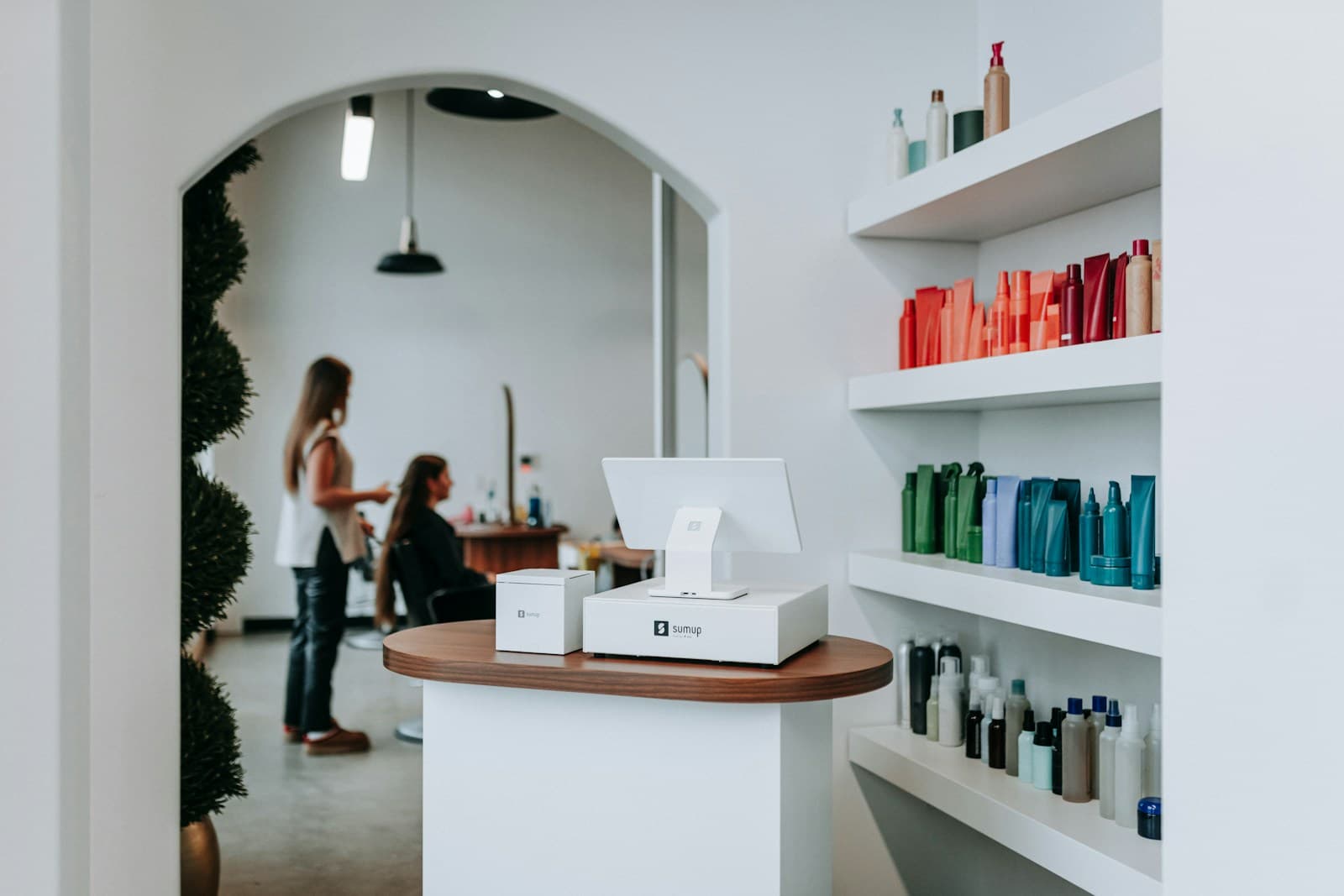
If your studio sells retail — aftercare products, cleansers, serums, adhesive remover — your booking software should sync with your point-of-sale so retail transactions are tracked alongside service revenue. You want to see total client value (service + retail) in a single client record, not across two separate systems.
Platforms that handle retail well: retail products are in the same inventory system, retail revenue appears in the same daily report as service revenue, and retail purchases are visible in the client profile.
For a full overview of the lash studio software landscape, see lash studio software hub. For scheduling specifically and how it connects to throughput, see lash appointment scheduling. Platforms commonly used by lash studios include Vagaro, GlossGenius, Boulevard, and Fresha.
Run your studio on Zatrovo
Run lash booking, deposits, client notes, and artist management from one platform.

We write playbooks for studio operators — based on data from thousands of studios running on Zatrovo across pilates, yoga, lash, nail, massage, salon, dance, and fitness.
Related reading
Lash Studio Tech Stack: Booking, POS, Marketing, Inventory
The 5-tool tech stack that runs a lash studio — and which integrations actually matter.
Massage Booking Software: The 9 Features Clinics Actually Use
The features massage clinics use daily — and the ones marketed but ignored.
Nail Salon Booking Software: What Walk-Ins Actually Need
Booking features that handle walk-ins, wait times, and tech rotation — the operational realities of nail.