Lash Appointment Scheduling: Density vs Comfort
The buffer time math that prevents burnout without leaving calendar slots on the table.
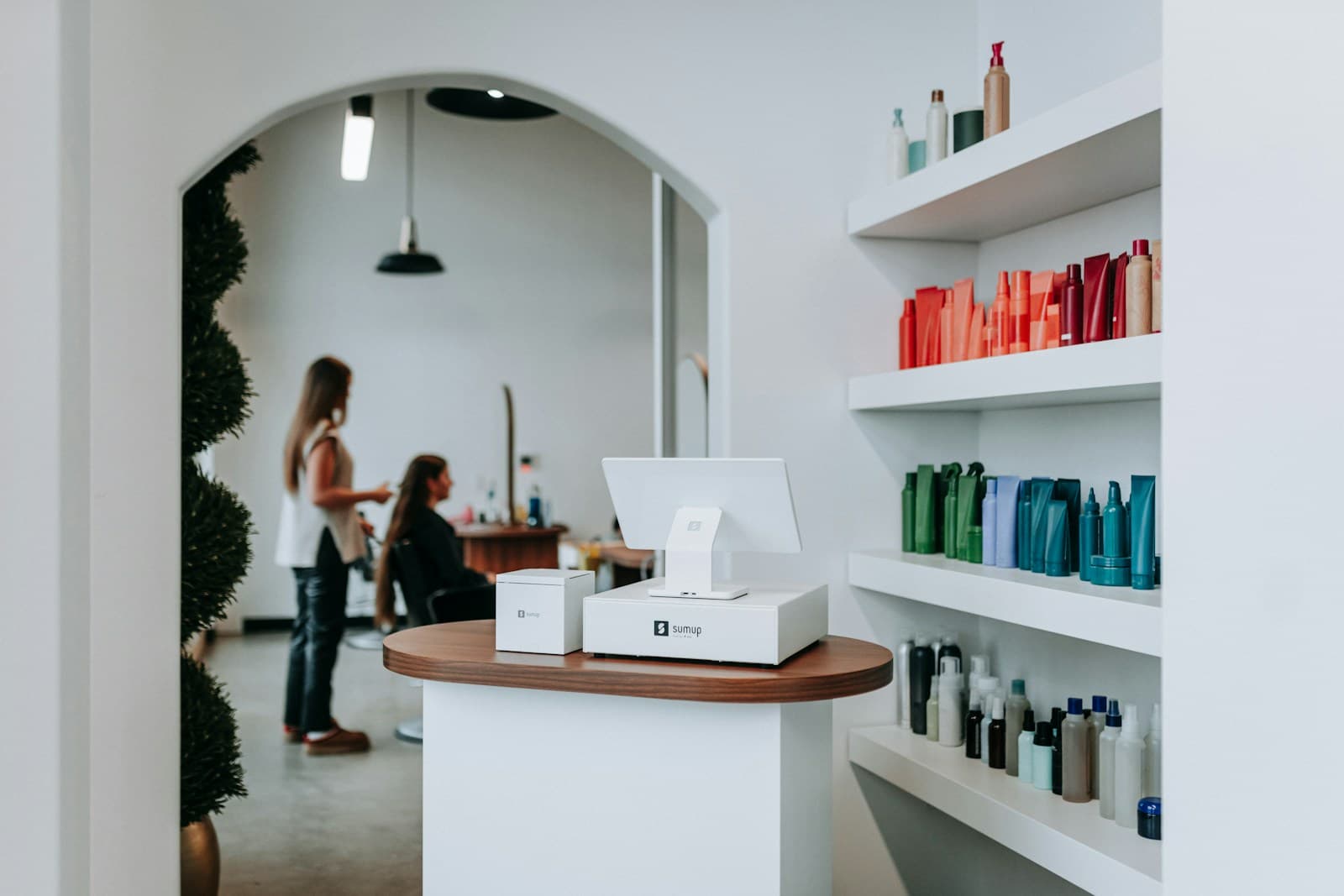
A lash artist running 6 appointments per day at optimal 15-minute buffers earns more monthly revenue than one running 8 appointments at 10-minute buffers — because the 8-appointment artist burns out faster, makes more errors, and sees retention drop within three months. Schedule density without comfort is a short-term earnings decision with a long-term cost.
What Does Optimal Lash Scheduling Actually Look Like?
The Density-Comfort Balance Framework: schedule for 80% of maximum theoretical capacity with adequate buffers, not 100% density.
A lash artist with 8 available hours can theoretically do:
- 6 classic fills (45 min) + 30 min buffer = 5.25 hours of service time
- 4 volume full sets (120 min) + 20 min buffer = 8.7 hours (over the limit)
Real sustainable scheduling: 5–6 appointments per day with service-appropriate buffers between each. At $85 average per appointment, 5.5 appointments/day × 22 working days = $10,285/month per artist, well before retail.
The studios running 7+ appointments per artist per day consistently report higher short-term revenue. They also report the highest technician turnover, the most client complaints about rushed service, and the most rebooking friction. The math looks better until the artist leaves.
What Is the Right Buffer Time by Service Type?
Service-appropriate buffers prevent the single-buffer-fits-all trap.
The buffer serves three functions: cleanup and sanitation between clients, brief rest for the artist's eyes and posture, and setup for the next client's extensions and adhesive. A 10-minute buffer is tight for a full set handoff; a 20-minute buffer is comfortable.
How Do You Structure a Full Day Without Burnout?
The 3-Block Day structure: morning block, midday reset, afternoon block.
Morning block (8am–12pm): Four appointments maximum. Schedule complex services (full sets, mega volume) in this block when the artist is freshest and adhesive work benefits from morning humidity levels.
Midday reset (12pm–1pm): Unscheduled. This is not "down time" — it's a deliberate performance management decision. Artists who skip lunch and power through have measurably lower afternoon precision in lash isolation and retention rates.
Afternoon block (1pm–5pm): Four appointments, preferably fills and lash lifts. Complexity should decrease toward the end of the day, not increase.
This structure produces 7–8 appointments in an 8-hour day without the burnout trajectory that comes from back-to-back scheduling without breaks.
How Do You Maximize Revenue Per Day Without Adding Appointments?
Four levers that increase daily revenue without adding client slots:
1. Upsell at booking. Configure your booking flow to suggest upgrades (classic to hybrid, hybrid to volume) at the time of booking. A client who books a classic fill and is shown a volume fill upgrade at $20 more converts at 15–20% rate — that's $3–4 per booking in average ticket increase.
2. Service add-ons. Lash lift and tint as an add-on for fill clients, or lash bath as a standalone add-on, adds $15–$30 per appointment without extending the slot significantly.
3. Peak-hour pricing. Saturday and evening appointments command 10–15% premium at most lash studios. Configure time-based pricing in your booking software and fill peak hours with your highest-value services.
4. Retail recommendations. Aftercare products recommended at checkout convert at 18–25% when recommended during the service. At $30–$50 per product at 50%+ margin, this is the highest-margin revenue line in most lash studios.
For the full lash studio revenue model, see building a $500k lash studio.
What Does Schedule Configuration Look Like in Booking Software?
Three settings that do the most work:
Buffer time enforcement. Set minimum buffers per service type in your booking platform. If the platform supports service-level buffer rules, use them. If it only supports a global buffer setting, use a buffer that matches your most complex service type and adjust the service durations to account for it.
Booking lead time. How far in advance can clients book? For lash, 2–4 weeks is the standard range. Less than one week creates scheduling chaos; more than 6 weeks creates ghost appointments (clients who booked 8 weeks ago and forgot).
Cancellation window. Lash appointments should carry a 24–48 hour cancellation window with a deposit or credit forfeit on late cancels. A no-show in a 2-hour full-set slot is a $150–$200 revenue loss. Read the lash no-show policy guide for a full policy structure.
For the software comparison, see lash booking software features.
How Do You Handle Last-Minute Cancellations in a Dense Schedule?
A same-day cancel in a tightly scheduled lash calendar is expensive and hard to fill. The three tools that recover the slot:
Waitlist promotion. Clients on your waitlist for that service type receive an automated SMS when the slot opens. The 24–48 hour window between a cancellation and the appointment is tight for fills but workable. For full sets, same-day recovery is harder — the client needs prep time.
Standby list. Some lash studios maintain a short standby list of regular clients who want any same-day availability. A quick text to 3–5 standing clients ("I have a 2pm opening today for a classic fill — want it?") converts at 40–60% among established client relationships.
Reshuffling. If the cancellation creates a gap in the middle of the day, consider rescheduling an afternoon fill into the gap to consolidate the schedule and get a clean end-of-day block.
Run your studio on Zatrovo
Book appointments, enforce buffers, manage waitlists, and track revenue — all in Zatrovo's lash studio platform.

We write playbooks for studio operators — based on data from thousands of studios running on Zatrovo across pilates, yoga, lash, nail, massage, salon, dance, and fitness.
Related reading
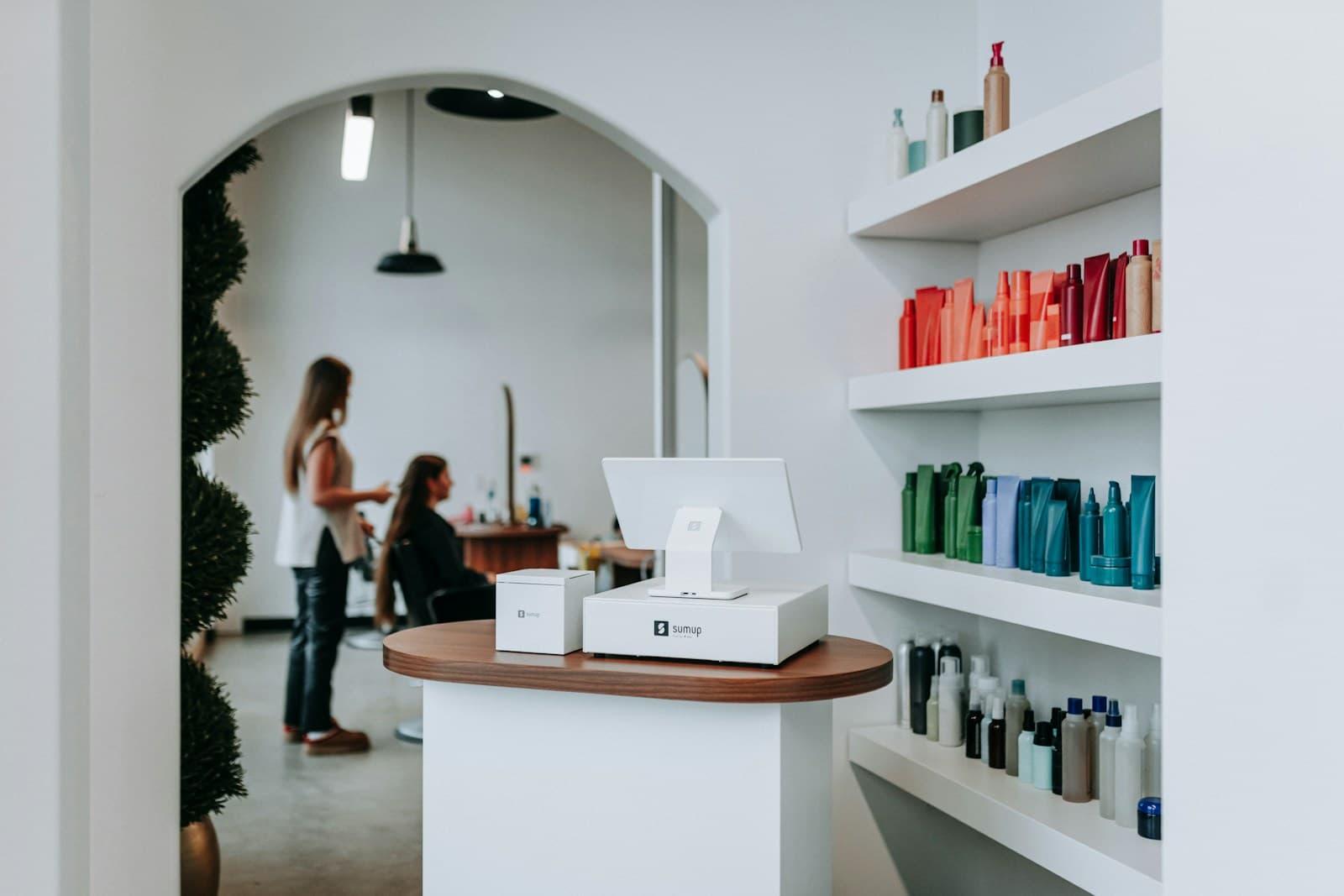
Lash Studio Software Hub: Booking Platforms and Tools for Lash Artists
Every lash studio software guide in one place — appointment management, intake forms, client notes, and the comparison tools lash artists need to choose wisely.
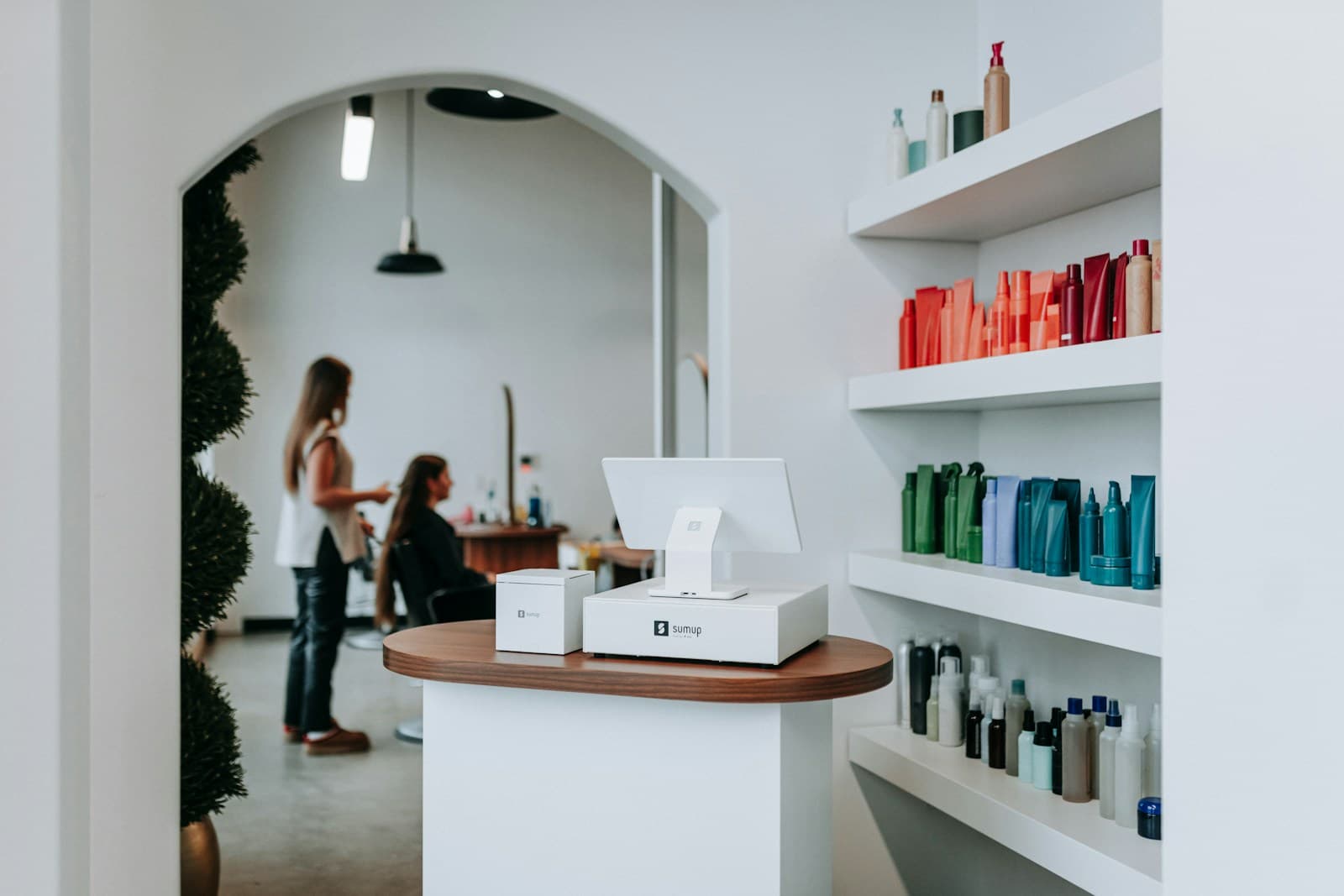
Lash Studio Front Desk: When to Hire a Receptionist
The monthly appointment threshold where hiring a receptionist pays for itself — and the SOPs for day one.
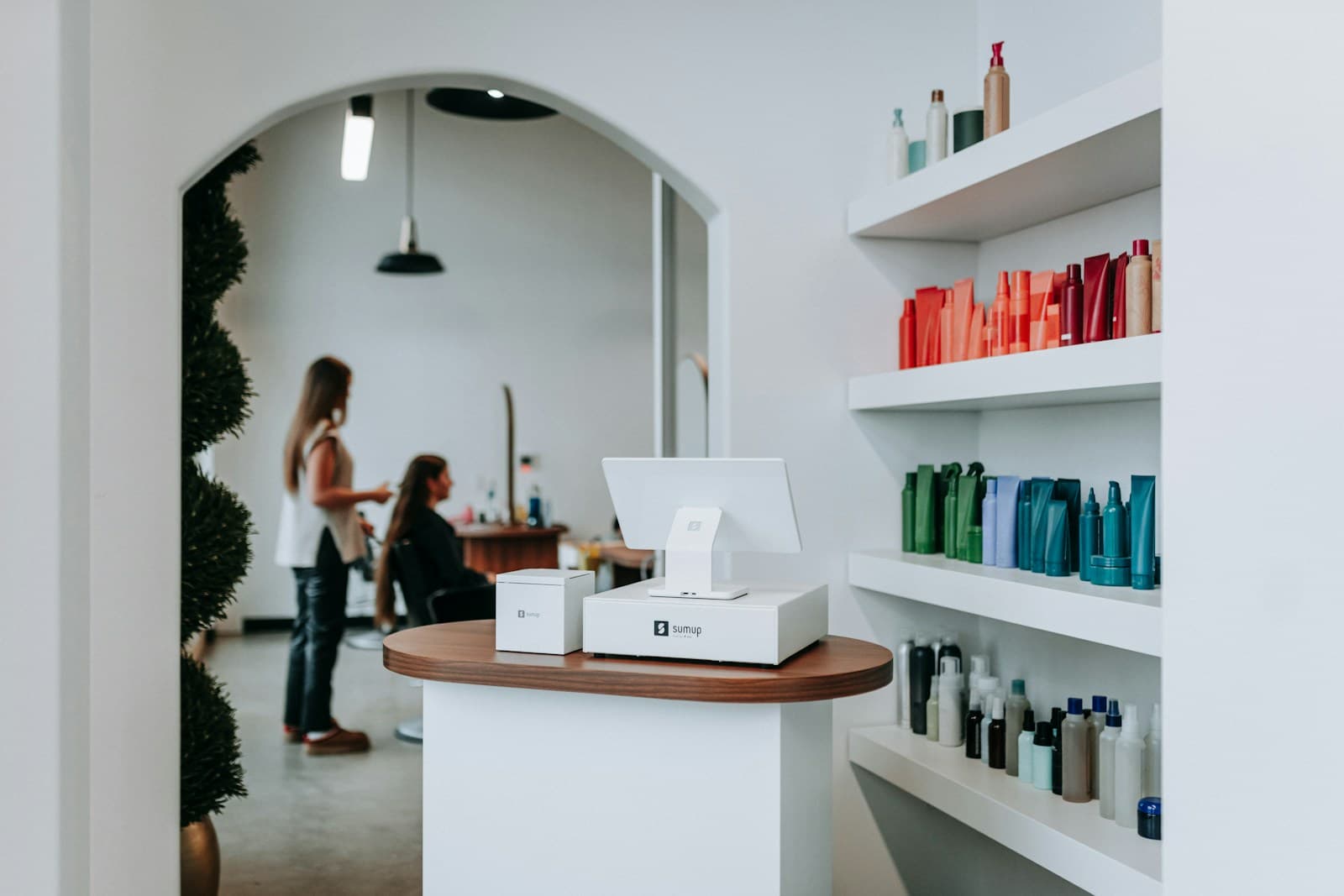
Lash Studio Operations SOP: Sanitation, Inventory, Flow
The exact sanitation, inventory, and between-client flow SOPs that keep a lash studio compliant.