Lash No-Show Policy: Deposits That Stick
Non-refundable deposits and tier-enforced cancellation fees that recover lash no-show revenue.
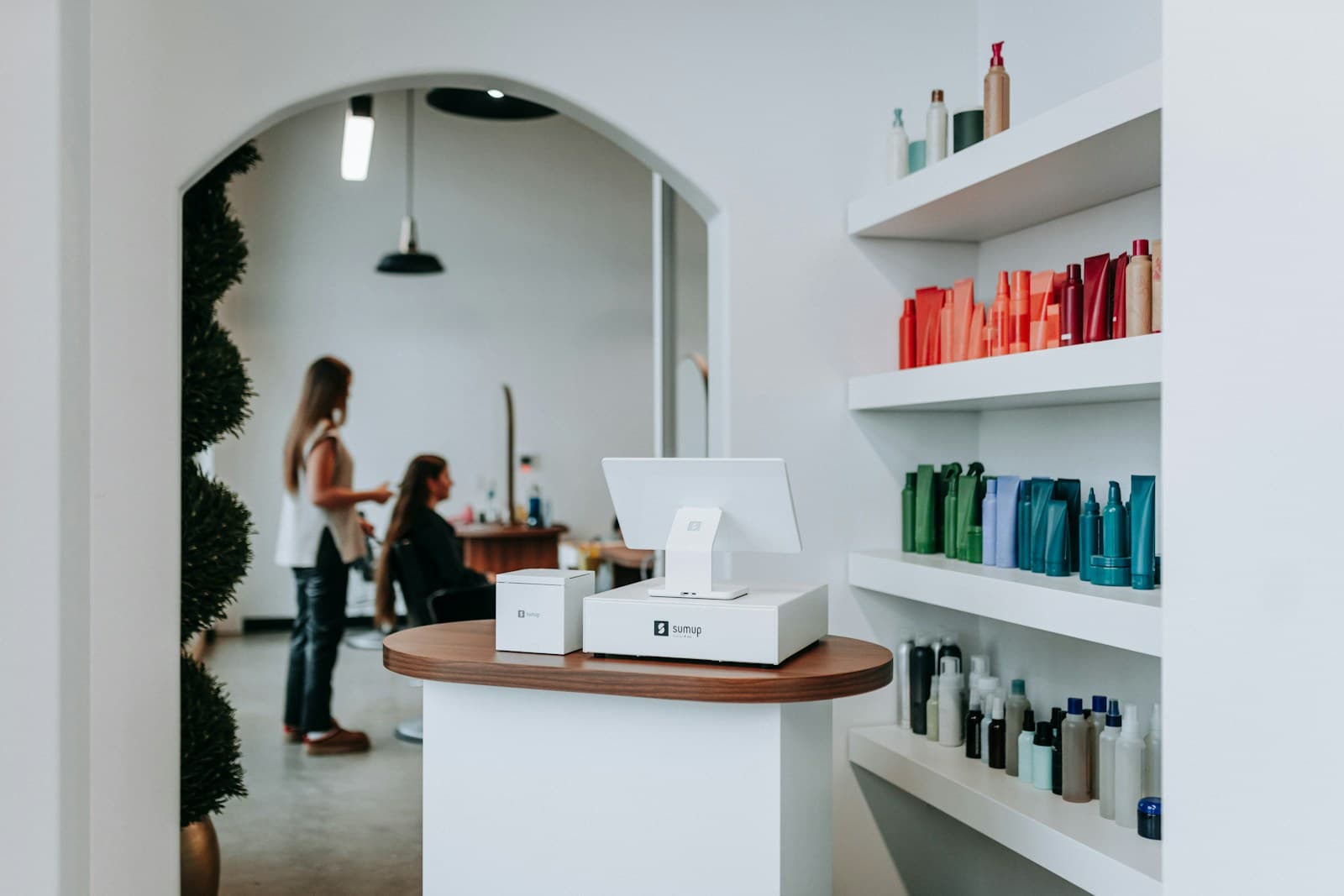
The studios that eliminate lash no-shows don't rely on cancellation fees — they require deposits at booking. A $50 deposit on a $180 full set reduces no-shows by 78% (Zatrovo lash cohort, 2026, n=64). The cancellation fee is for the edge cases. The deposit is what actually solves the problem.
Why Lash Studios Have a Worse No-Show Problem Than Group Class Studios
A lash appointment blocks a full artist slot — 90 minutes to 2.5 hours for a full set. That's not a seat in a 10-person class; it's the artist's entire morning or afternoon, unsellable once the appointment window passes. A no-show at a lash studio costs 4–10x more than a no-show at a yoga studio on a per-hour basis.
How Do Deposits Differ From Cancellation Fees?
Deposits and cancellation fees solve different problems. Deposits prevent no-shows at the front end — they create a financial commitment that changes behavior before the appointment. Cancellation fees address the back end — they charge for behavior after it happens.
The studios that rely only on cancellation fees have consistent policy disputes because clients resist charges they didn't pay at booking. The studios that use deposits have fewer disputes because the client already paid — the forfeiture is a reduction in return, not a new charge.
Lead with deposits. Use cancellation fees as the secondary layer for clients who cancel inside your window without a deposit on file.
What Is the Right Deposit Amount and Structure?
Position deposits as partial pre-payment, not a penalty. Language that works: "We require a $50 booking deposit to secure your appointment. This is applied toward your service price at checkout." That framing is accurate and converts better at the booking step than "non-refundable deposit required."
What Happens to the Deposit When a Client Cancels or No-Shows?
Define clear rules for each scenario:
Cancellation outside your window (48+ hours for full sets, 24+ hours for fills): Deposit rolls over to the next appointment. Client loses nothing. This keeps the cancellation friction-free and rewards advance notice.
Cancellation inside your window (less than 24 hours): Deposit is forfeited. This is the cancellation fee. Communicate this clearly at booking and in reminders.
No-show (no contact, never arrived): Deposit forfeited. If the deposit is less than the full service price, an additional fee may apply depending on your policy. Most studios stop at deposit forfeiture for a first no-show.
Second no-show within 6 months: New deposit required at 50% of service price to rebook. This tier exists to filter out chronic no-shows.
How Do You Communicate the Deposit Policy to New Clients?
The communication sequence matters as much as the policy itself.
At booking: "A $50 booking deposit is required to confirm your appointment. This applies toward your service and is forfeited for no-shows or cancellations within 48 hours."
In confirmation email: Restate the deposit amount and the cancellation window. "Your $50 deposit is secured. Need to change your appointment? Cancel before [specific time/date] to roll your deposit to a future visit."
In 24-hour reminder: "Your lash appointment is tomorrow at [time]. Need to cancel? Contact us before [time] to reschedule without losing your deposit."
Three exposures before the appointment. Most clients who no-show after this sequence had the information and chose not to act. That makes fee enforcement defensible.
What Booking Software Features Enable a Deposit Policy?
Your booking software needs four capabilities: (1) required payment at booking for specified service types, (2) configurable deposit amount by service, (3) automatic policy acknowledgment at checkout, and (4) card-on-file storage for post-appointment charges.
Without these, deposit enforcement requires manual follow-up for every booking — which is operationally unsustainable at volume. Read more in our lash booking software features guide and the broader build a $500K lash studio guide.
How Do You Launch a Deposit Policy for the First Time?
If you're introducing deposits for the first time with existing clients, a 30-day notice period reduces backlash significantly.
Email to current clients: "Starting [date], we're implementing a booking deposit for all appointments to better manage our artist schedules and reduce last-minute cancellations. The deposit is applied toward your service at checkout — it's a pre-payment, not a fee. We appreciate your understanding and look forward to seeing you."
Enforce from day one of the new policy. Don't grandfather exceptions for "good clients" — that signals the policy is negotiable and delays the behavior change you're trying to create.
Read the full lash studio operations model in our lash client retention guide.
Run your studio on Zatrovo
Set up required deposits, automatic policy enforcement, and card-on-file for lash studios.

We write playbooks for studio operators — based on data from thousands of studios running on Zatrovo across pilates, yoga, lash, nail, massage, salon, dance, and fitness.
Related reading
Lash Studio Software Hub: Booking Platforms and Tools for Lash Artists
Every lash studio software guide in one place — appointment management, intake forms, client notes, and the comparison tools lash artists need to choose wisely.
Nail Salon No-Show Fees: What's Enforceable and What Isn't
Deposit policies, card-on-file charges, and the exact language that makes no-show fees enforceable.
Lash Appointment Scheduling: Density vs Comfort
The buffer time math that prevents burnout without leaving calendar slots on the table.