Pilates Referral Programs That Actually Produce Referrals
The referral reward structure, trigger timing, and SMS copy that turns members into a real acquisition channel.
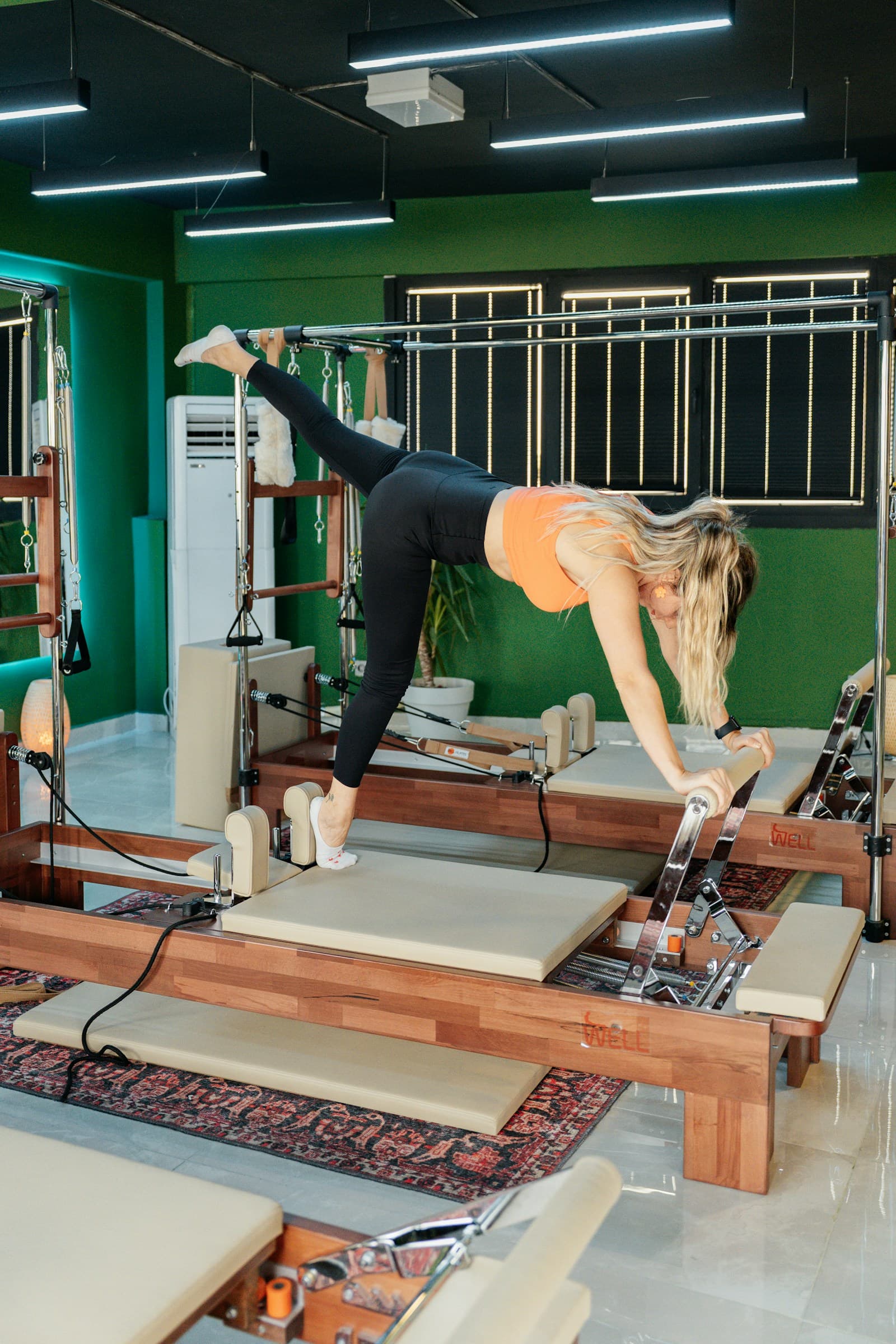
Trigger timing beats reward size in pilates referral programs. A $10 class credit offered at the right moment — 72 hours after a client's third class — generates 3x more referrals than a $30 credit promoted in a monthly newsletter. The moment of peak enthusiasm is the lever; the reward is just the excuse to act on it.
Why Most Pilates Referral Programs Fail
Most studios launch referral programs once, announce them in a newsletter, and consider them running. They're not. A referral program that's mentioned once and never triggered again is just a webpage.
The failure pattern is the same everywhere: passive promotion (email blast, poster at front desk), reward structured as cash that feels transactional, no trigger tied to a specific behavioral moment, no attribution tracking, no follow-through. Studios wonder why nobody refers. The answer is that nobody asked at the right time.
Referrals in pilates studios come primarily from three moments: after a breakthrough session, after achieving a visible result, and in the first two weeks of a new membership when enthusiasm is highest. Design your program around those moments.
What Reward Structure Actually Works?
The Bilateral Credit Model is the most effective structure for pilates studios: $20–$30 in class credit to the referrer, plus a discounted or free first class for the new client.
Both rewards stay inside the studio. The referrer gets another class (which means another visit, another engagement moment, another chance to refer again). The new client gets a low-risk entry point. Neither party receives cash that walks out the door.
One-sided programs (reward only the referrer) underperform bilateral because the new client's friction isn't reduced. They still have to decide whether pilates is worth trying without a financial nudge. The friend discount closes that hesitation.
When Should You Trigger the Referral Ask?
The Trigger-First Referral Sequence replaces campaign-based asking with behavioral triggers. Three trigger points, in priority order:
Trigger 1 — After the 3rd class. Automated SMS: "You've completed 3 classes — you're building something great. Know someone who'd love this? Share this link and you'll both get a free class." Send 48–72 hours after the session ends.
Trigger 2 — Membership anniversary (30 or 60 days). A member who's been with you a month has formed a habit and has a story. "You've been with us a month! If you love it, tell a friend — here's a link that gives them their first class free and you a $25 credit."
Trigger 3 — After a milestone. If your booking software tracks completed classes, trigger a referral ask at milestone completions (10th class, 25th class). Milestone moments have natural emotional salience — clients are in a peak-positive frame.
What Copy Actually Gets Referrals?
Referral SMS copy that works follows three rules: it's personal, it's specific, and it has one action.
Example trigger SMS (after 3rd class):
"You've completed your first 3 classes at [Studio Name] — amazing work. Know a friend who'd love reformer pilates? Forward them this link: [unique link]. You'll both get a free class when they book."
What makes this work: it acknowledges a specific achievement (3 classes), it's an action tied to a moment (completion, not a campaign), and it gives a specific reason to share (free class for both parties).
What kills referral copy: generic language ("Join our referral program!"), no specific reward, no personal trigger, link buried in the email. Every element adds friction. Strip it to the minimum.
For more marketing automation sequences, see the pilates client retention guide and the broader pilates studio playbook.
How Do You Track Referral Attribution?
Simple attribution beats complex attribution. Three options in order of effort:
Option 1 — Unique per-member referral link. Most modern booking platforms generate a shareable link that tags the referral source automatically. New client books using the link; the system records the referrer. No manual work.
Option 2 — Named promo codes. Each active member gets a code (SARAHPILATES, MIKEFIRST). New clients enter the code at booking. Front desk records the referrer and processes the credit.
Option 3 — Manual tracking. Ask new clients "How did you hear about us?" at booking. 60–70% accuracy but requires consistent front desk execution.
Option 1 requires platform support. Options 2 and 3 work with any booking system. Pick the one you'll actually use consistently.
Run your studio on Zatrovo
Automate referral triggers, track attribution, and credit rewards from one studio platform.

We write playbooks for studio operators — based on data from thousands of studios running on Zatrovo across pilates, yoga, lash, nail, massage, salon, dance, and fitness.
Related reading

Massage Referral Incentives That Don't Cheapen the Service
Referral mechanics that preserve the premium feel — upgrades, retail, spa perks — not discounts.

Nail Salon Referral Programs That Fit a Tight Margin
Low-cost referral mechanics that work despite nail salons' thin margins.

Lash Referral Program: The $20 Credit That Brings 1.8 Clients
The $20 bilateral credit model that works — and the exact trigger point that maximizes referrals.