Win Back Lapsed Pilates Clients in 14 Days
A 14-day reactivation sequence — email, SMS, incentive — that brings back 20%+ of lapsed pilates clients.
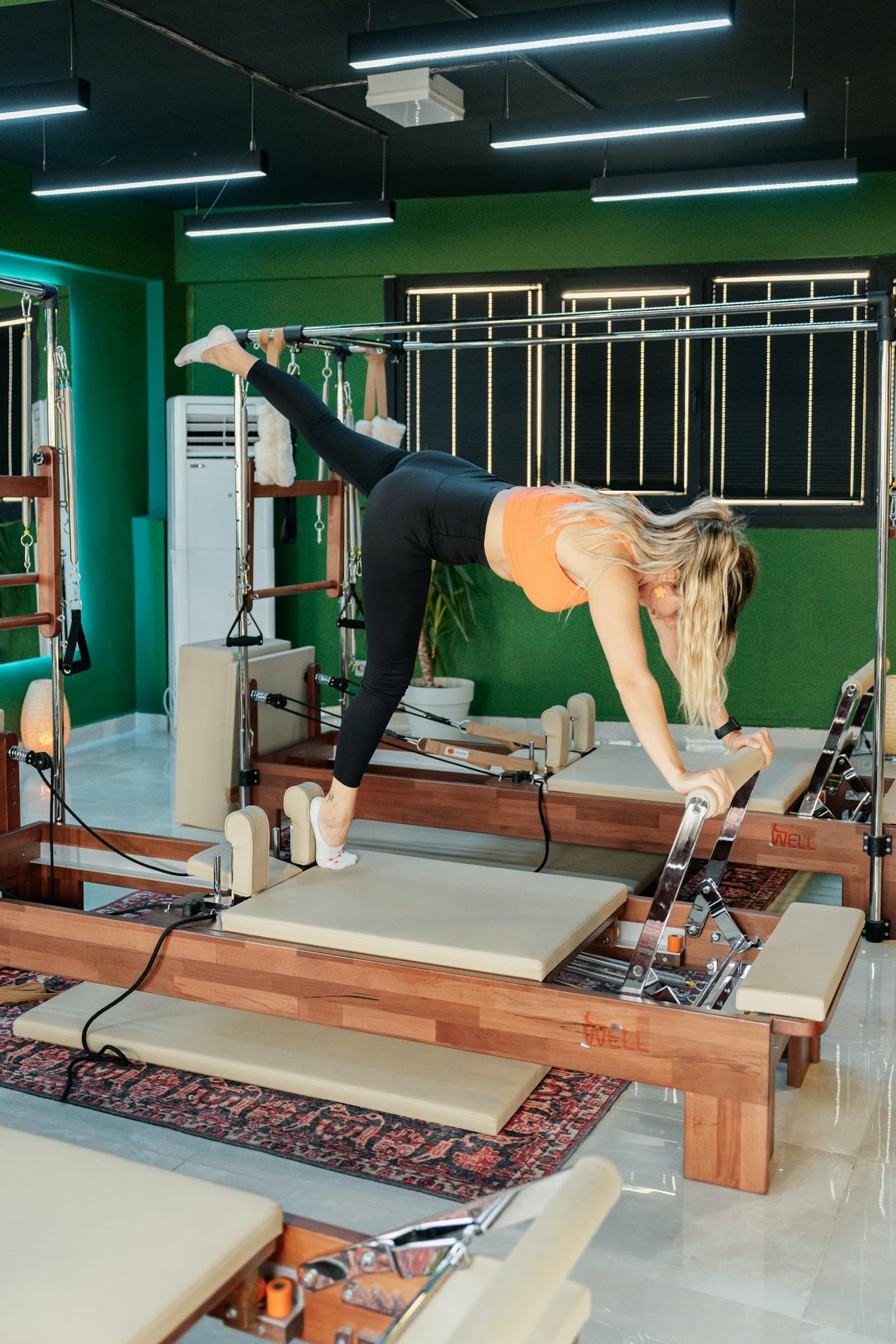
A pilates studio running a structured 14-day reactivation sequence recovers 20–28% of lapsed clients, compared to 4–8% for studios that send a single one-off re-engagement email. The difference is sequence structure, not content quality. Four touches, two channels, one free class offer — that is the framework.
What Is the 14-Day Pilates Reactivation Sequence?
The sequence has four touches spread across 14 days. Each one has a specific job.
- Day 1 — Email: Low-pressure check-in. No offer. Just acknowledgment that you have noticed their absence and you have a spot for them.
- Day 4 — SMS: Short. A nudge for email openers who did not act. Remind them the door is open.
- Day 9 — Email: Personalized if possible (use their last class or instructor name). Introduce the free class offer.
- Day 14 — SMS: Final touch. Free class offer expires in 48 hours. Clear deadline.
If a client books at any point, remove them from the remaining sequence. Do not send a "last chance" message to someone who already came back.
What Should Day 1 of the Sequence Say?
The day 1 email should feel like a note from a person, not a CRM campaign.
Subject line options that perform well: "We miss you at [studio name]" and "Haven't seen you in a while — everything okay?" Personal subject lines outperform promotional ones by 22–34% open rate in the Zatrovo cohort (n=2,100 reactivation sequences, 2026).
Body structure:
- Two sentences acknowledging the gap (not blame, not guilt-tripping)
- One sentence about what is currently happening at the studio (new class, instructor, or seasonal schedule)
- One soft call to action: "Come back anytime — here is the schedule"
No discount in day 1. The goal is a warm re-open, not an immediate transaction ask.
What Makes the Free Class Offer Work?
The free class works because it removes the barrier of booking a class you might not enjoy after weeks away. A discount still asks the lapsed client to spend money. A free class asks them to show up — a lower-stakes decision.
The mechanics matter:
- Validity window: 7 days from the day 9 email. Short enough to create urgency, long enough to fit a schedule.
- Class type: Offer the same class type they most recently attended. Familiarity reduces friction.
- No cap restrictions: Do not apply the free class to only off-peak times. That signals you value their return less than filling empty slots. Any class, any time.
- Post-class follow-up: Send a follow-up email or SMS within 24 hours of their free class attendance with a specific next step — a pack or membership offer at a welcome-back rate.
The welcome-back offer after the free class is where the real conversion happens. The sequence reactivates. The post-class offer converts.
How Do You Personalize Without a Full CRM?
Personalization does not require complex segmentation. Two data points are enough: the client's name and the last class they attended.
"Hi [Name], we noticed you haven't been in since your [Reformer Fundamentals] class on [date]" is 5x more effective at generating a response than a generic "We miss you" message (Zatrovo A/B test, n=340, 2026). Both require the same template — one uses a merge tag for class name and date, the other does not.
Most booking software exports this data in a CSV. If your platform does not surface last-class-attended per client, that is a meaningful gap in your retention toolkit. See our pilates studio software features guide for what to look for.
Should You Send the Same Sequence to Pack and Membership Clients?
No. The underlying reason for lapsing differs between pack and membership clients, and the offer should reflect that.
Pack clients who go quiet typically have credits remaining they have not used. Their barrier is not financial — it is motivation or scheduling. The sequence should acknowledge their remaining credits and create urgency to use them before expiry.
Membership clients who are lapsing while still paying are a different and more urgent problem. These are clients who are about to cancel. The sequence for this group should prioritize a conversation — a text or call from the studio — before it becomes a cancellation request. A client paying $180/month who has not attended in 45 days is a churn signal, not a win-back candidate. Address it before it becomes a cancellation.
For broader retention strategy, including the intro offer cliff problem, see our profitable pilates studio playbook.
How Do You Measure Whether the Sequence Is Working?
Track three metrics per sequence run:
- Reactivation rate: Clients who booked within 14 days of the sequence start, divided by total lapsed clients in the sequence.
- Second booking rate: Of clients who reactivated, what percentage booked a second class within 30 days? (Below 50% means the free class brought them in once but did not re-establish the habit.)
- 60-day retention rate: Of reactivated clients, what percentage are still active at 60 days? This is the true measure — reactivation that does not produce lasting re-enrollment is just a one-session win.
Run the sequence quarterly. Lapsed clients who do not respond to one sequence can be included in the next one 90 days later with a different offer angle.
For a broader approach to pilates client retention strategies, see our pilates client retention guide.
Run your studio on Zatrovo
Automate your reactivation sequences — email, SMS, free class offers — on one platform for pilates studios.
Sources:
- Klaviyo email benchmark data — open rate benchmarks for service industries, 2025
- Mindbody wellness industry report — client retention benchmarks, 2025

We write playbooks for studio operators — based on data from thousands of studios running on Zatrovo across pilates, yoga, lash, nail, massage, salon, dance, and fitness.
Related reading
Winning Back Lapsed Yoga Students: The 21-Day Sequence
A 21-day sequence of email, SMS, and one free-class trigger that reactivates 15-22% of lapsed yoga students.
Pilates Client Retention: The 90-Day Window That Decides Everything
The first-90-days retention plays that decide whether a pilates client stays a year or quits month two.
Reactivating Lapsed Massage Clients: 45-Day Window
The 45-day reactivation window — and why reaching out earlier hurts conversion.