How to Reduce No-Shows at a Fitness Studio Without Annoying Members
How to reduce no-shows at a fitness studio with reminder ladders, fair cancel windows, and waitlists that fill seats without annoying your members.
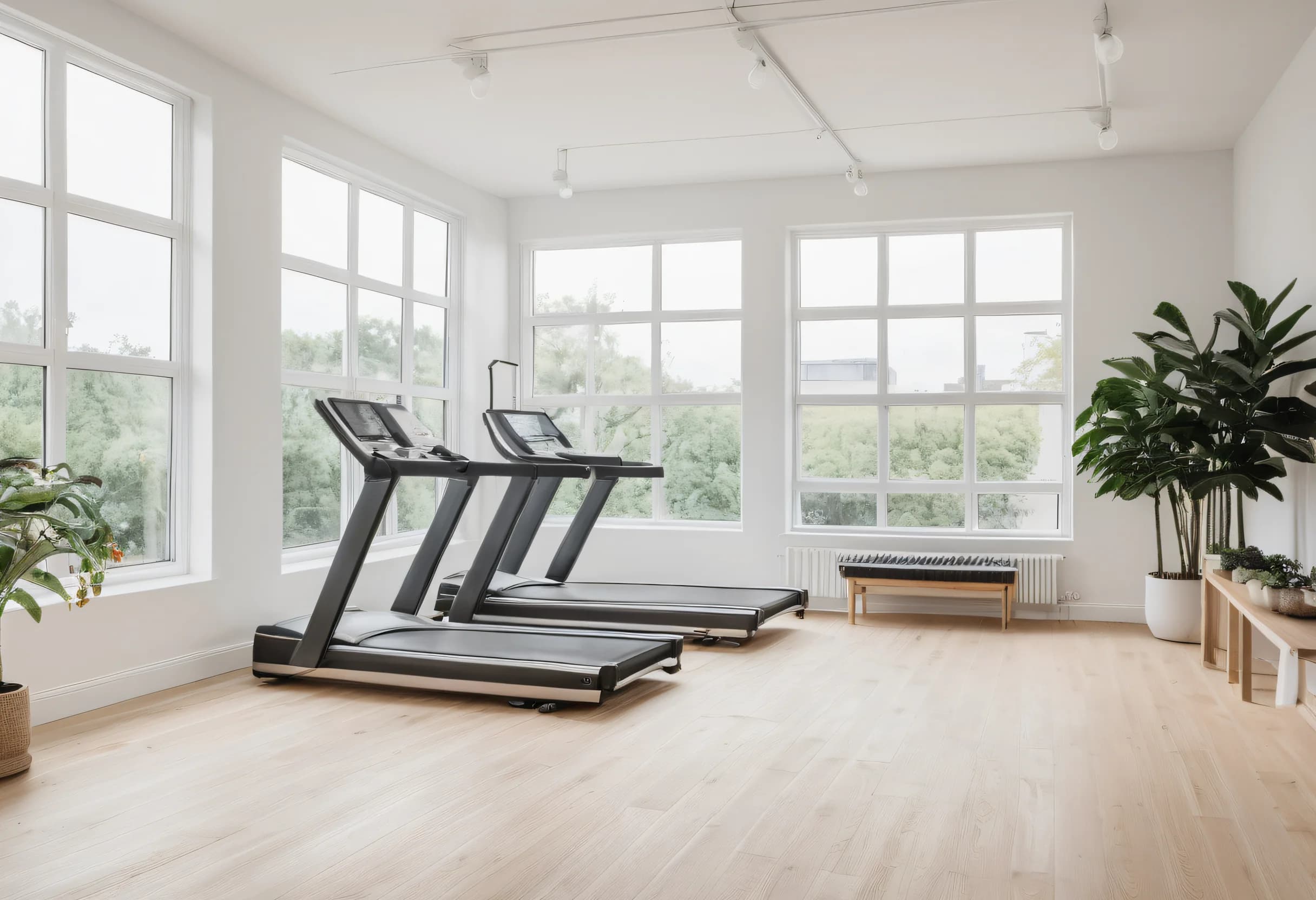
The fastest way to reduce no-shows at a fitness studio is a two- or three-touch reminder ladder, a clear cancel window, and a live waitlist. In clinical trials, patients who received reminders were about 25% less likely to miss appointments. Studios can capture most of that gain without nagging a single member.
Why do members no-show at a fitness studio in the first place?
Most no-shows are not disrespect. They are forgotten bookings, double-bookings, and last-minute life. Design for those causes and the number drops fast.
At the front desk you see the same three patterns. A member books a Tuesday 6am spot on Sunday and forgets by Monday night. A parent books, then a kid gets sick. Someone books two classes to decide later and ghosts one. None of these is a flaky member, so leading with penalties tends to backfire. A pediatric reminder trial cut no-shows from 38.1% to 23.5% just by adding a text to an existing voice reminder (Rainbow Babies RCT). The lesson for studios: friction and forgetting cause most misses, so close the memory gap before you reach for fees.
How many reminders should you send before class?
Three touches, no more: a booking confirmation, a 24-hour reminder, and a 2-hour reminder. Beyond three, reminders read as nagging and members mute you.
Name it the 3-Touch Reminder Ladder. The confirmation locks the commitment at booking. The 24-hour touch catches the double-booked calendar with time to cancel. The 2-hour touch catches the member at home debating whether to come. A 16-study meta-analysis linked reminders to roughly 25% fewer missed appointments, and multiple touches tend to outperform a single one. But there is a ceiling. A fourth or fifth message trains members to ignore all of them, and some will disable notifications entirely, which costs you the reminders that actually work. Stop at three and make each one earn its place.
What is the best cancellation window for a studio?
A 12-hour cancel window fits most group studios. It is long enough to refill the seat and short enough that members do not feel policed.
A 24-hour window looks tidy on paper but punishes the exact members you want to keep: shift workers and parents whose day changes at noon. A 2-hour window is too kind to your schedule, since you cannot fill a 6am seat cancelled at 4am. Twelve hours splits the difference. Test it against your own data. If your average waitlist clears a seat in three hours, you can shorten the window. Publish it in plain words at signup and repeat it in every reminder. The rule members hate is not the window, it is the surprise late-cancel charge they never saw coming.
Should you charge a no-show fee, and how much?
Charge a fee only after reminders and a clear policy are live. A fee punishes forgetting you have not yet designed out of the system.
When you do add one, keep it small, $10 to $15 for a group class, and waive the first offense automatically. Frame the charge as protecting a seat, not as a fine. Behavioral research on missed appointments is clear that people respond to the cost their absence imposes on others, not to abstract rules. A New South Wales government trial that told patients the specific dollar figure a missed slot wasted cut no-shows by about a third. Borrow the framing, not the threat. Your seat costs another member their spot beats you will be charged. Lead with fees and you will refund more complaints than you recover seats.
How should you word reminders so they do not annoy members?
Short, specific, useful. Class, time, instructor, one-tap cancel, and the reason the seat matters. Skip filler and never send a wall of text.
A strong 24-hour reminder reads: Reminder, Vinyasa Flow, Tue 6pm with Mara. Cancel by 6am if plans change so a waitlisted member can take your spot. That single line does four jobs at once: confirms the details, states the window, uses honest loss framing, and offers the exit. Compare it to Don't forget your class. The first respects the member and fills seats, the second is noise. The waitlist line is not a trick, someone really is waiting. If you automate this, keep the tone human. Here is how studios structure automated email and text sequences that stay personal at scale.
When should you call a no-show, and what do you say?
Call within two hours of the missed class, not the next day. The 2-Hour Callback Rule catches the member while the miss is still real.
Next-day calls feel like collections. A same-day call feels like care. Keep it to 20 seconds: Hey, missed you at 6pm, everything okay? Want me to grab you a spot Thursday? No mention of fees on this call, you are rebooking, not scolding. Across Zatrovo studios, 2026, same-day callbacks rebook a noticeably larger share of no-shows than next-day calls, though the sample varies by studio. A no-show is rarely a one-time event, it is often the first signal of disengagement, which is why spotting at-risk members early matters more than any single missed class.
How do waitlists cut no-shows automatically?
A live waitlist turns a cancellation into a filled seat and quietly raises commitment. Members honor a booking more when they know someone else wants it.
Set classes to auto-promote from the waitlist the moment a spot opens, and notify the promoted member instantly with a short accept window, say 30 minutes, before it rolls to the next person. Two things happen. First, late cancels stop being dead losses. Second, members behave differently when the confirmation says you are in, four on the waitlist. The scarcity is real here, not manufactured, and popular class times sell the effect for you. For studios that also lose revenue earlier in the funnel, the same recovery mindset applies to abandoned checkouts and half-finished bookings.
Which members are most likely to no-show, and how do you catch them early?
First-90-day clients and members whose visit frequency just dropped. A watchlist of those two groups catches most no-shows before they happen.
Call it the First-90-Days Watchlist. New and intro-offer clients have no habit yet, so their bookings are fragile. Established members send a quieter signal: someone who trained three times a week and now shows once is drifting, and the missed class is often the first visible crack. Flag both groups automatically. Reach out with a check-in, not a warning. Saw you've been busy, want me to hold your usual Wednesday spot? A short human message here prevents both the no-show and the cancellation that usually follows a few weeks later.
How do you reduce no-shows for intro-offer and first-time clients?
First-timers no-show most, so over-invest in their first booking: a personal confirmation, a what-to-expect note, and a same-day welcome touch.
The generic reminder that works for veterans is not enough for someone who has never walked in. Nerves and uncertainty drive first-visit no-shows as much as forgetting does. Send a short what-to-bring, where-to-park, arrive-10-minutes-early note the day before, ideally signed by the instructor. Have the front desk send a quick excited to meet you message the morning of. If a first-timer no-shows, call inside the two-hour window and rebook immediately, because a first miss left unaddressed usually becomes a lost trial. This is where an AI booking assistant that answers pre-class questions reduces the exact nerves that keep newcomers home.
How do you measure whether your no-show fixes are working?
Track no-show rate weekly by class and instructor, watch late-cancel rate separately, and segment new versus established members.
No-show rate is no-shows over booked spots. Compute it weekly, sliced by class time and instructor, because a single 6am slot often drives your whole number. Watch late-cancel rate alongside it. If late-cancels rise while no-shows fall, your reminders are working, members now cancel instead of ghosting, and those seats refill. Review weekly for two months after any change, then monthly. Resist building a 20-metric dashboard. Two numbers, trended over time, tell you more than a wall of charts ever will.
What no-show tactics annoy members and quietly backfire?
Over-reminding, surprise fees, guilt-trip messages, and rigid 24-hour windows. Each one trades a small seat gain for a larger loss of trust.
The fastest way to grow no-shows is to make members resent you. Five reminders per booking gets your texts muted. A late-cancel charge no one was warned about gets a chargeback and a one-star review. You didn't show up again gets a cancellation. And a 24-hour window applied to a spin class booked that same morning just teaches members not to book ahead at all. Every anti-no-show tactic carries a member-experience cost. The studios that win keep that cost near zero: fewer and clearer reminders, a fair window, and a real human voice when something slips.
Run your studio on Zatrovo
Automated three-touch reminders, live waitlists, and per-class no-show tracking built for studio schedules

We write playbooks for studio operators — based on data from thousands of studios running on Zatrovo across pilates, yoga, lash, nail, massage, salon, dance, and fitness.
Related reading

LLC for a Fitness Studio: When to Incorporate and What It Costs
An LLC for a fitness studio protects personal assets, but only if you form it at the right moment and run it correctly. Here are the costs and steps.
Music Licensing for Fitness Studios: ASCAP, BMI, and Legal Playlists
Music licensing for a fitness studio means one blanket license per PRO, not one total. Here is how to cover classes, ambient music, and virtual streams.

HIIT Studio Operations: The Scheduling, Staffing, and Safety SOPs That Scale
HIIT studio operations — class format design, instructor rotation, heart-rate tracking, and the safety protocols that keep your insurance clean.