Skincare Consultation Systems: The 10-Minute Assessment That Sells the Treatment Series
A structured consultation format — skin analysis, goal mapping, and treatment plan — that converts single-visit clients into multi-treatment commitments.
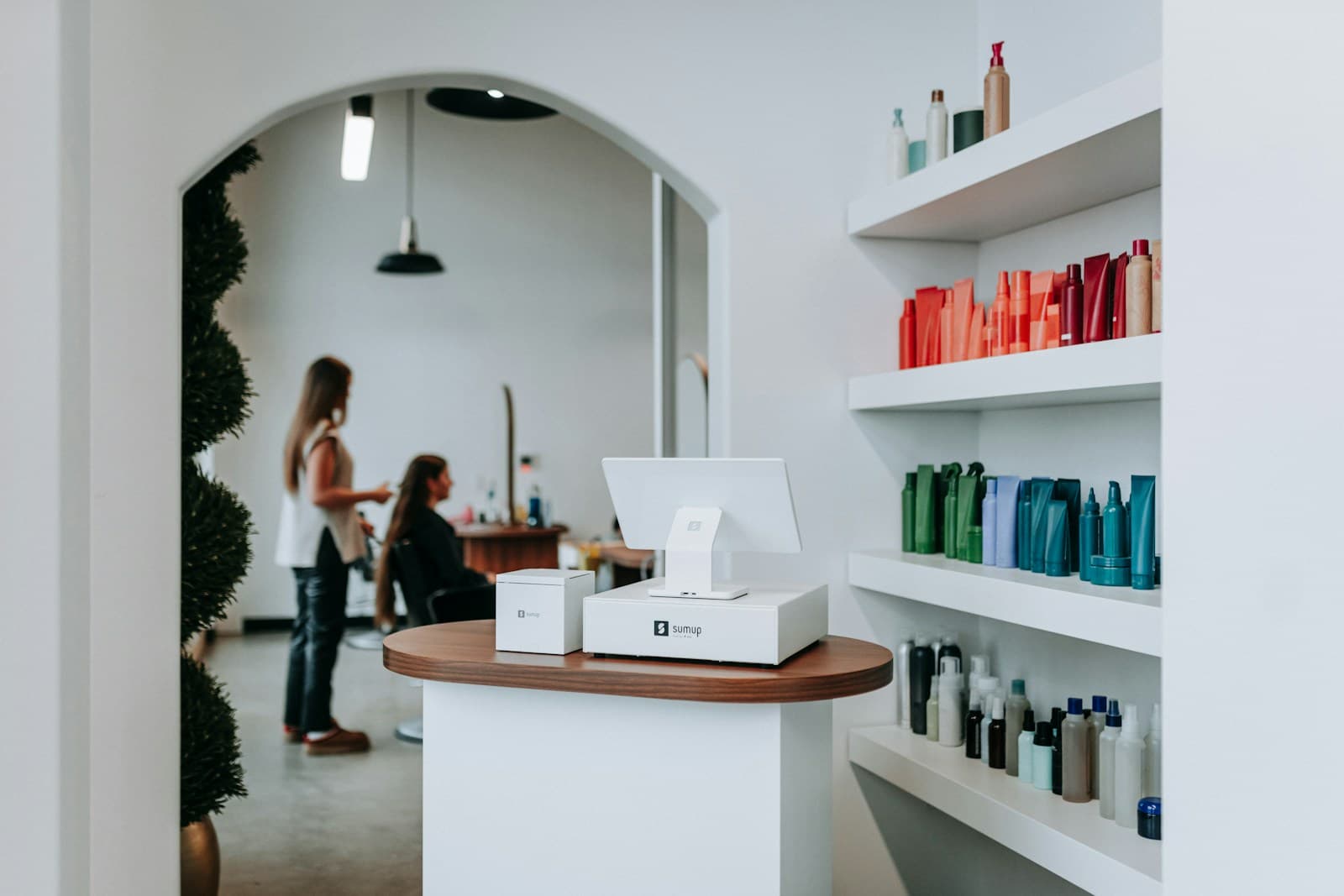
Clients presented with a written treatment plan at their first consultation book an average of 2.8 more appointments than those given only verbal recommendations. The 10-minute structured consultation — skin analysis, goal mapping, and written plan — is the highest-ROI upgrade most beauty studios haven't built yet.
Why Do Most Consultations Fail to Convert Single-Visit Clients?
Because they're not structured as a plan — they're structured as a pre-treatment intake.
A pre-treatment intake gathers information so the esthetician can do a good job today. A structured consultation maps the client's skin goals, identifies what it will take to achieve them, and presents a written plan that makes the next appointment feel like a logical continuation rather than a separate decision.
The difference is the written plan. Verbal recommendations end when the client leaves the building. A written plan goes home with the client, gets consulted before they decide whether to rebook, and frames the ongoing relationship as a clinical journey — not a series of one-off appointments.
What Does the 10-Minute Assessment Cover?
The 10-Minute Skin Goal Mapping framework divides the consultation into four parts: observation, history, goal clarification, and plan presentation.
The goal clarification stage is the most important and the most skipped. Estheticians who present a plan before asking what the client is trying to achieve give expert answers to questions the client didn't ask. The two-minute goal clarification reverses this: the plan is built around the client's stated outcome, which makes it feel personalized rather than prescriptive.
What Should the Written Treatment Plan Include?
The plan should fit on a single page. Complexity reduces compliance.
The one-page format:
Assessment summary (2–3 sentences in plain language): "Your skin presents as combination with sensitivity zones around the nose and chin. Primary active concerns are texture irregularity and early hyperpigmentation on the forehead."
Client-stated goal: "Reduce the dark spots on my forehead by summer."
Recommended treatment series: "4–6 treatments over 12 weeks, beginning with [Treatment A] to address [concern], followed by [Treatment B] to accelerate the goal."
Expected progress milestones: "After treatment 2, expect initial texture improvement. After treatment 4, hyperpigmentation should show measurable fading."
Home care recommendations: "Continue your current SPF. Add [specific product type] 3x per week between treatments."
Next appointment: specific date or booking link
That last item — the specific next appointment — is what turns a plan into a commitment. A plan without a next appointment is advice. A plan with a booked next appointment is a relationship.
How Do You Conduct the Skin Observation Correctly?
The observation stage is where clinical credibility is established.
Perform the observation under magnification with appropriate lighting before the client is lying down. This lets the client see what you see — hand them a mirror or position the magnification lamp so they can observe. When a client sees the same skin pattern you're describing (clustered comedones, dehydration lines, post-inflammatory hyperpigmentation), your assessment becomes self-evident rather than abstract.
Describe what you see in plain language, not jargon. "There's visible texture here from congestion under the surface" rather than "comedonal acne in the T-zone." The plain language version is more alarming to the esthetician's ears but more understandable and credible to the client's.
After the observation, summarize what you found before moving to history. "Here's what I'm seeing: [three specific observations]. Before I map out a plan, I want to ask you a few questions." The summary signals that the next questions come from what you've already observed — clinical context, not a standard questionnaire.
How Do You Transition From Plan to Membership Offer?
The membership offer happens after the plan is presented — never before.
The logic sequence: here's your goal → here's what it takes to achieve it → here's the most efficient way to get there (the membership). When the membership is presented as the delivery vehicle for the plan the client has already agreed to, it's not a sales pitch — it's a logistics conversation.
The transition script:
"The series I'm recommending is six treatments over three months. The way most clients do this is through our membership — it includes [X treatments per month], the home care product discount, and priority booking. Over six months, that's [specific dollar savings] compared to individual appointments. Does that structure make sense for what you're trying to achieve?"
Three elements: the plan alignment, the specific financial comparison, and an open question that invites a response rather than demanding a decision.
How Do You Track Client Skin Progress Over Time?
Progress tracking closes the retention loop. Clients who can see documented improvement have a concrete reason to continue.
The tracking system:
At consultation: photograph the primary concern area (with consent) and rate the condition on a 1–5 scale for each tracked parameter (hyperpigmentation intensity, texture, hydration level, acne activity).
At every third treatment: re-photograph and re-rate. Pull up the original photo side-by-side and show the client the comparison.
In the treatment notes: record the specific treatment delivered, any product changes, and the client's self-reported experience since the last treatment.
When a client plateaus — visible progress slows at treatment 4 — the tracking data helps you explain why and adjust the plan. "Your texture has improved to a 4 from a 2 — that's the easy phase done. The hyperpigmentation is responding more slowly, which is typical. We're going to adjust the approach to target that specifically in treatments 5 and 6."
Clients who understand their own skin trajectory based on data stay on longer treatment series than clients who are relying on feeling alone.
For the front desk system that sets up the consultation, see the beauty studio front desk training guide. For how the consultation connects to long-term client loyalty, see the beauty client retention guide. For building the intro offer that brings clients in for a first consultation, see the beauty studio intro offer guide.
Run your studio on Zatrovo
Manage client records, consultation notes, and treatment series in one platform for beauty studios.

We write playbooks for studio operators — based on data from thousands of studios running on Zatrovo across pilates, yoga, lash, nail, massage, salon, dance, and fitness.
Related reading
Beauty Studio Referral Programs: Skin-Goal Pairing That Converts Referrals Into Long-Term Clients
Referral mechanics that pair new clients with a skin goal matching the referrer's experience — creating a shared outcome that retains both.
Beauty Studio Loyalty Programs: Skin Goal Milestones That Keep Clients on Track
Loyalty structures tied to skin goal progress — not just visit count — that retain clients because they're invested in outcomes, not just rewards.
Beauty Client Retention: The Rebooking Protocol That Outperforms Every Loyalty Card
The rebooking conversation at checkout — timing, language, and the results photo that makes the next appointment feel inevitable.