Yoga Studio Operations SOP: The 50-Item Manual
Fifty specific SOPs covering open, close, cleaning, and teacher handoff in a yoga studio.
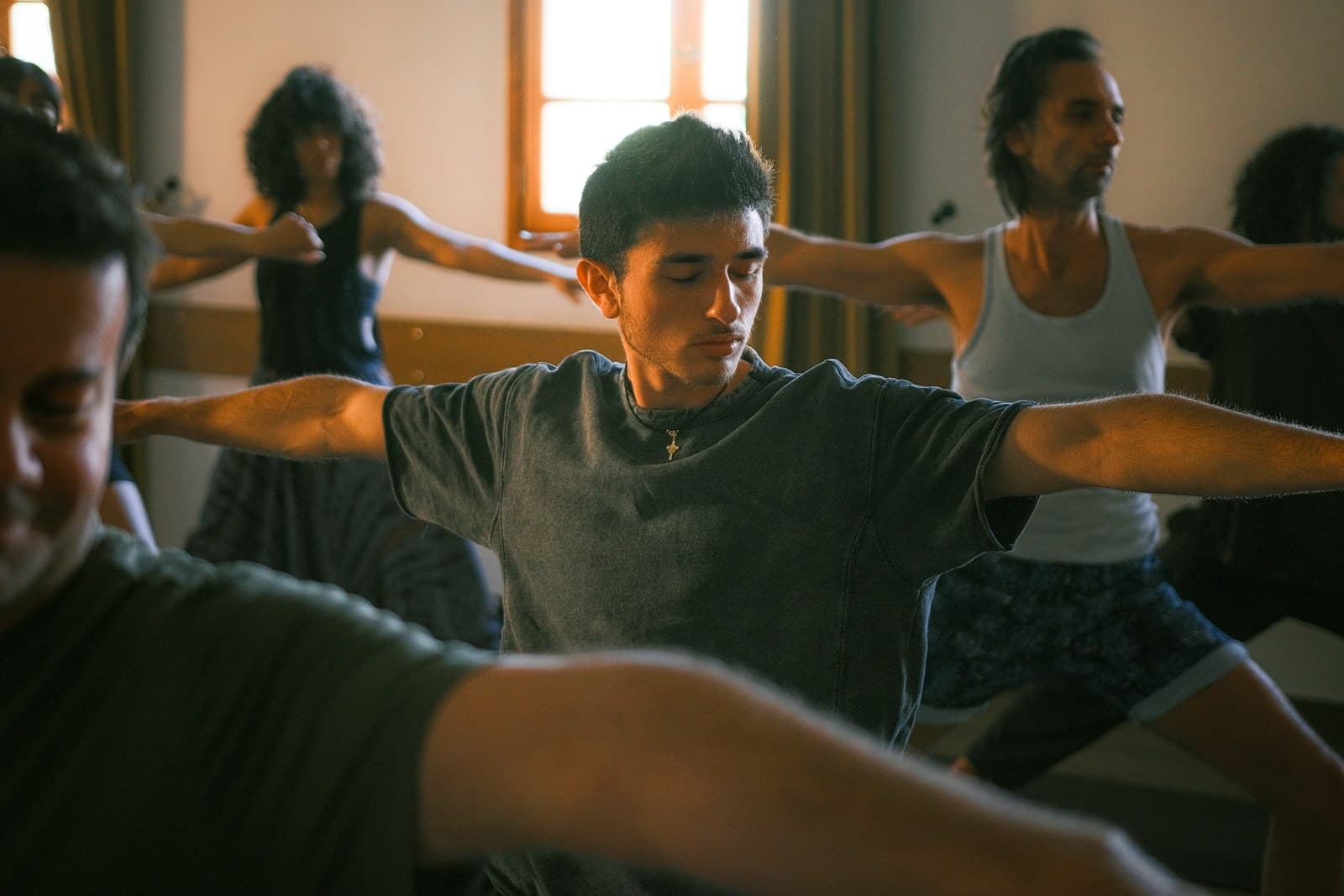
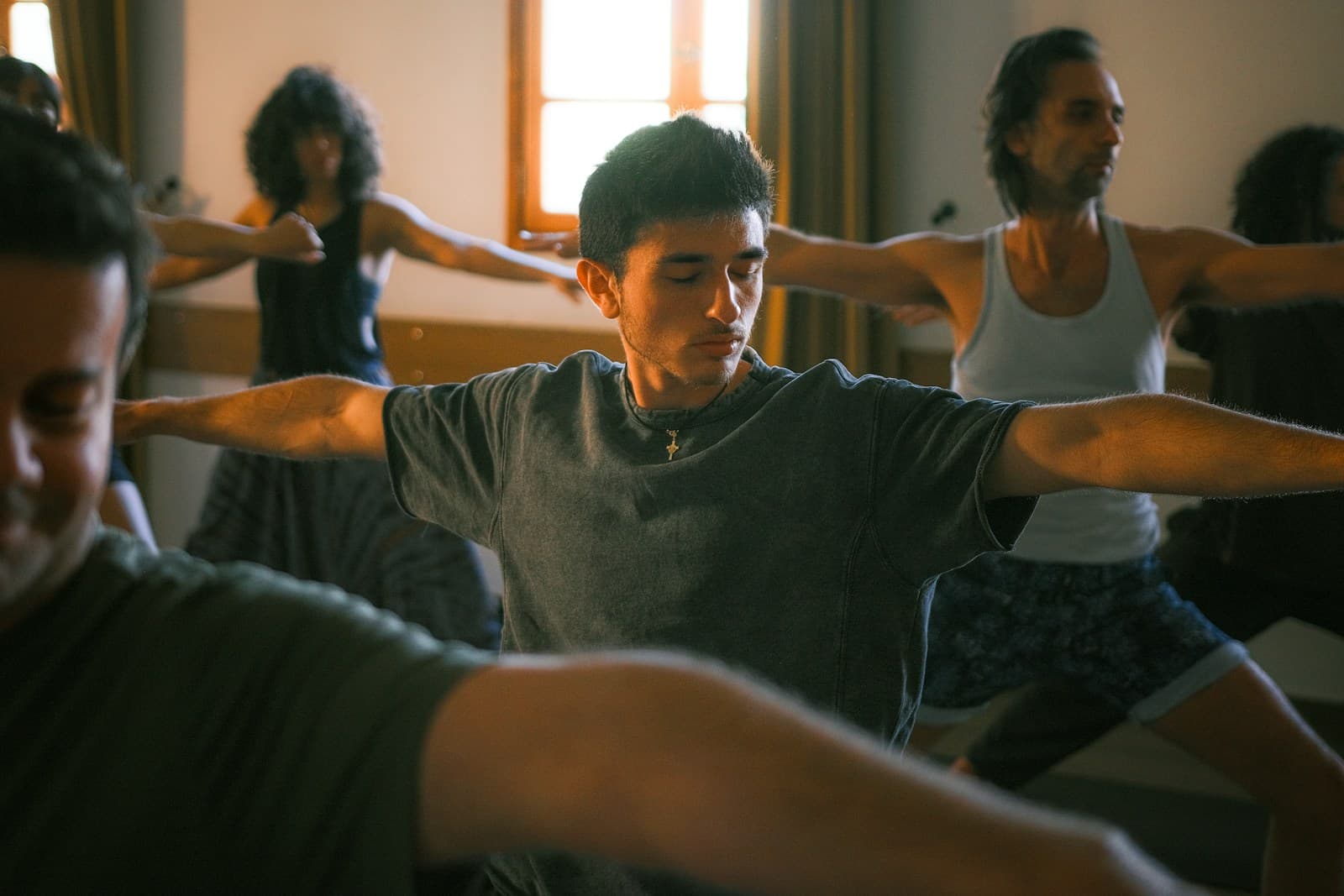
A yoga studio that runs on SOPs instead of improvisation is a yoga studio the owner can step away from. These 50 items cover every operational procedure that needs to be documented, assigned, and followed consistently — from the first key in the lock to the last light switch at close. Teacher handoff is treated as the highest-risk moment, not cleaning.
Why Is Teacher Handoff the Riskiest SOP in a Yoga Studio?
Teacher handoffs are riskier than cleaning because the consequences of failure are client-facing and immediate. A dirty mat is an experience problem. A teacher who doesn't know a client's injury history or the prior class's energy level is a safety and retention problem.
The handoff moment is when client knowledge transferred in someone's head either gets captured in the system or evaporates. Studios where client notes are verbal between instructors see higher late-cancel rates — clients learn the studio doesn't remember them and feel less committed.
What Does the Opening SOP Cover? (Items 1–15)
Space and climate
- HVAC on and set: regular yoga 68–74°F; hot yoga 95–105°F with humidity check
- Air circulation system running
- Aromatherapy diffusers filled and running (if used)
- Sound system on, playlist loaded for first class
- Lighting set by class type
Equipment 6. All mats wiped and staged 7. Blocks, straps, blankets staged in position for first class 8. Props in back room organized and accessible 9. Any damaged props pulled and tagged for replacement 10. Bolsters inspected for structural integrity (seams, zipper, stuffing)
Front desk and systems 11. Booking system open, today's schedule confirmed 12. First class roster reviewed — new clients flagged, injury notes reviewed 13. Payment terminal on and tested 14. Intake forms or tablets ready for walk-ins or new clients 15. Emergency contact list visible and current
What Does the Between-Class Turnover SOP Cover? (Items 16–25)
The between-class window in yoga is typically 10–15 minutes. Every item in this block should be completed in that window, reliably.
- Prior class mats collected and wiped
- Studio floor swept for visible debris
- Blocks and straps returned to staging positions
- Aromatherapy refreshed if applicable
- Temperature confirmed for incoming class type
- Next class playlist loaded
- Any client incident from prior class logged in system
- Instructor receives next class roster review (30 seconds — injury notes, new clients)
- Incoming clients welcomed, new clients directed to intake
- Water station refreshed
What Does the Closing SOP Cover? (Items 26–38)
Equipment and studio 26. All mats wiped and rolled 27. Blocks, straps, blankets washed or wiped and stored 28. Bolsters stored flat or stacked per storage protocol 29. Floor swept and mopped 30. Windows cleaned if smudged 31. All mirrors wiped
Facility 32. Changing rooms cleaned, supplies restocked 33. Bathrooms cleaned and restocked 34. Reception area cleared, terminal secured 35. Any retail area tidied and low-stock items noted 36. Trash removed from all rooms
Admin 37. End-of-day report pulled from booking system 38. Incident log updated with any notes from today 39. Tomorrow's schedule reviewed for conflicts or coverage gaps 40. Handoff notes updated for opening staff
Security 41. All studio doors locked and checked 42. HVAC set to off-hours mode 43. Lights off by zone 44. Security system armed
What Does the Weekly Cleaning and Maintenance SOP Cover? (Items 44–50)
- Full mat deep-clean (soap wash or UV sanitizer, not just wipe)
- Blankets washed (weekly minimum)
- Bolster covers washed
- Strap buckles and velcro cleaned, straps replaced if frayed
- Block surfaces deep-cleaned, cracked blocks replaced
- Vents and air filters cleaned
- Prop storage areas reorganized and inventory counted
The weekly prop inventory count feeds your reorder decisions. If you run 200 students per week and have 40 blocks, you're already understocked. The standard rule: enough blocks for your largest class, plus 20% buffer.
How Does the Teacher Handoff Protocol Work?
The teacher handoff protocol has three components: before the class, during the transition, and a post-class note.
Before the class (instructor reviews the roster):
- Review the class list in the booking system
- Check client notes for anyone flagged: injuries, new clients, special requests
- If there is no note for a new client, that instructor is responsible for a pre-class intake conversation
During the transition (outgoing instructor):
- Log any observations in client notes within 10 minutes of class ending
- Specifically note: any client who mentioned a new injury, anyone who struggled with a modification, anyone who had an unusually strong or unusual reaction to the class
Post-class note (in the system, not verbal):
- Client: first name, observation, recommended modification
- Example: "Sarah — reported left shoulder pain during chaturanga. Use dolphin pose modification for shoulder classes."
This takes the outgoing instructor 3–5 minutes and is available to every instructor who works with that client in the future.
For more on how to connect operations to the broader studio numbers, see running a yoga studio by the numbers. For automating the parts of operations that can run without staff, see yoga class waitlist system. Teacher pay structures and performance reviews that complement these SOPs are covered in yoga teacher pay rates.
According to Yoga Alliance's 2025 Yoga in America study, the US yoga industry supports more than 36 million practitioners — a market that rewards consistent, well-run studio experiences. Studios with documented operating procedures score higher on member satisfaction surveys than those relying on individual instructor relationships alone. The IHRSA wellness industry data similarly shows that operational consistency is a leading predictor of studio survival past the 3-year mark.
Run your studio on Zatrovo
Run yoga class scheduling, client notes, and automated reminders from one platform.

We write playbooks for studio operators — based on data from thousands of studios running on Zatrovo across pilates, yoga, lash, nail, massage, salon, dance, and fitness.
Related reading
Yoga Studio Front Desk Checklist and Scripts
The arrival, upsell, and complaint scripts your yoga front desk should have memorized.
Yoga Studio Software Hub: Booking Platforms, Reviews, and Comparison Guides
Every yoga studio software guide organized for studio owners — platform reviews, feature comparisons, and the workflow considerations specific to yoga businesses.
Yoga Studio No-Show Policies That Protect Revenue
Cancellation windows, fees, and teacher-protection policies that recover yoga no-show losses.