CrossFit Class Scheduling: Class Caps and Peak-Hour Allocation That Maximize Coach ROI
Class cap logic and peak-hour allocation that balances member satisfaction with coach-to-revenue efficiency.
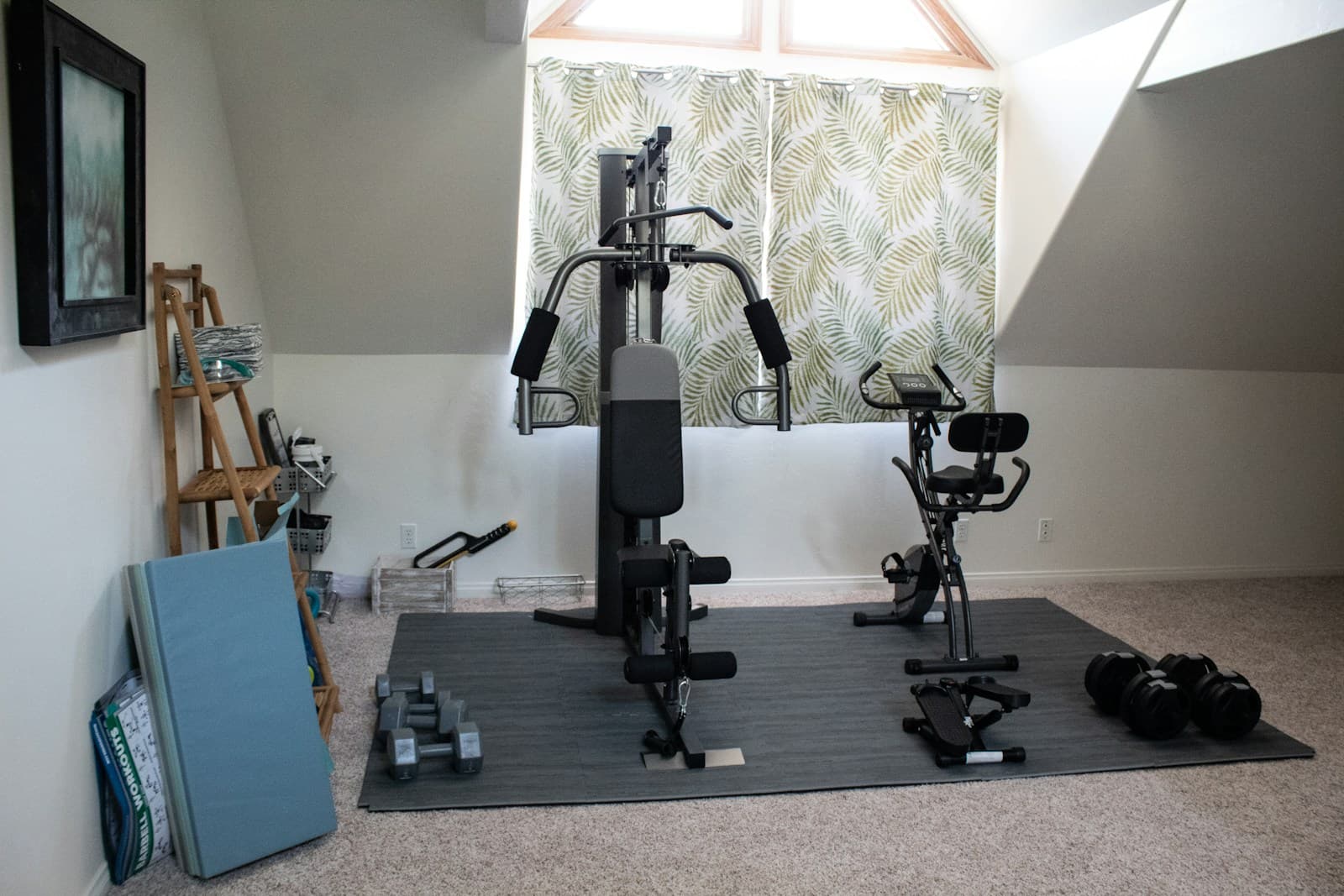
Class caps that are too low frustrate members and generate waitlist friction; caps too high reduce coaching quality and increase injury risk. The right cap is floor space divided by 100 square feet per athlete, and the right schedule is the one where morning peaks fill above 80% before you add a single evening slot.
Why Does Cap Size Drive Box Profitability More Than Class Count?
Most CrossFit operators instinctively add more classes to generate more revenue. The better lever is optimizing cap size and fill rate in existing classes.
A box running 20 classes per week at 40% average fill generates less revenue and pays more in coach costs than the same box running 14 classes at 72% average fill. Fewer, fuller classes is almost always the better economics.
How Do You Calculate the Right Class Cap?
The Floor-Space Cap Formula for CrossFit:
Practical class cap = usable training floor area (sq ft) ÷ 100
A 2,500-square-foot training floor supports 25 athletes. Factor down by 10–15% for WODs with significant barbell cycling or gymnastic movements that require more lateral clearance. For purely structural or bodyweight workouts, the standard formula holds.
Usable training floor area excludes: reception and entry zones, bathroom and locker space, equipment storage, coach's area, and any area not actively used during WODs.
Cap by class type if your WOD programming varies significantly. A benchmark barbell day supports a lower cap than a running-heavy or bodyweight WOD.
What Is the Peak-Hour Allocation Framework?
The Peak-Hour Allocation Framework for CrossFit boxes assigns class volume across four time windows based on demand data, not preference.
The common mistake is building a schedule based on what operators think members want rather than what attendance data shows. Pull your last 90 days of attendance by time slot before designing a new schedule. The data will tell you where demand actually sits.
How Do You Handle Waitlists at Peak Hours?
A waitlist is demand data you should be acting on within 30 days.
If your 6am Monday is consistently hitting its cap with a 5+ person waitlist, you have three options: raise the cap (if floor space allows), add a parallel class (6am Tuesday or Wednesday), or raise pricing for the most-demanded slot.
Automated waitlist promotion is the minimum viable waitlist setup. When a member cancels, the next person on the waitlist gets an SMS within 60 seconds. Manual waitlist management loses 40–60% of that conversion because people move on.
What Class Format Changes Improve Off-Peak Fill Rates?
Off-peak classes — midday, early evening — fail on standard WOD programming when the same WOD is available at peak hours. The fix is differentiation.
Specialty class formats for off-peak slots: weightlifting technique, gymnastics skills, endurance-focused WODs, or team workouts. Members who wouldn't book a regular WOD at noon will book a barbell technique session.
Instructor assignment. Assign your highest-rated coaches to off-peak slots. Member surveys at CrossFit boxes consistently show that coach quality is the top factor in class choice — ahead of time and ahead of programming. A popular coach at 11:30am will pull members who have schedule flexibility.
Smaller cap for premium pricing. A capped 8-person midday session with a senior coach at a $5–$10 premium creates a "small group" product that converts members who want more coaching contact.
How Do You Evaluate Coach ROI Per Schedule Slot?
The monthly coach ROI calculation per slot:
Revenue per coach hour = (avg fill rate × class cap × avg revenue per attendance) ÷ class duration in hours
For a 60-minute class with a 20-person cap at 75% fill rate and $28 average revenue per attendance:
(0.75 × 20 × $28) ÷ 1 = $420/coach hour
Run this calculation for every recurring class slot monthly. Classes in the bottom quartile by revenue per coach hour are candidates for restructure, time change, or removal. Don't let the schedule expand beyond what the economics can support.
For the full operations framework that this scheduling structure fits within, see the profitable CrossFit gym playbook. For software that tracks class fill rates, waitlists, and coach-hour reporting natively, see the CrossFit gym booking software guide.
Run your studio on Zatrovo
Track fill rates, waitlists, and coach hours across every class slot — without spreadsheets.

We write playbooks for studio operators — based on data from thousands of studios running on Zatrovo across pilates, yoga, lash, nail, massage, salon, dance, and fitness.
Related reading

CrossFit Gym Front Desk Training: From First Call to First WOD
Scripts for the six conversations that determine whether a prospect becomes a member — from first call to on-ramp enrollment.

CrossFit Gym Operations Manual: SOPs for Equipment Safety, Scaling, and Coaching Coverage
SOPs for a CrossFit box — equipment inspection, WOD scaling standards, coach coverage minimums — that hold when the head coach is absent.
Running a Profitable CrossFit Gym: Pricing, Programming, Retention
Real box economics — what unlimited memberships actually need to cost, and how to hit a 5% monthly churn ceiling.