CrossFit Gym Front Desk Training: From First Call to First WOD
Scripts for the six conversations that determine whether a prospect becomes a member — from first call to on-ramp enrollment.
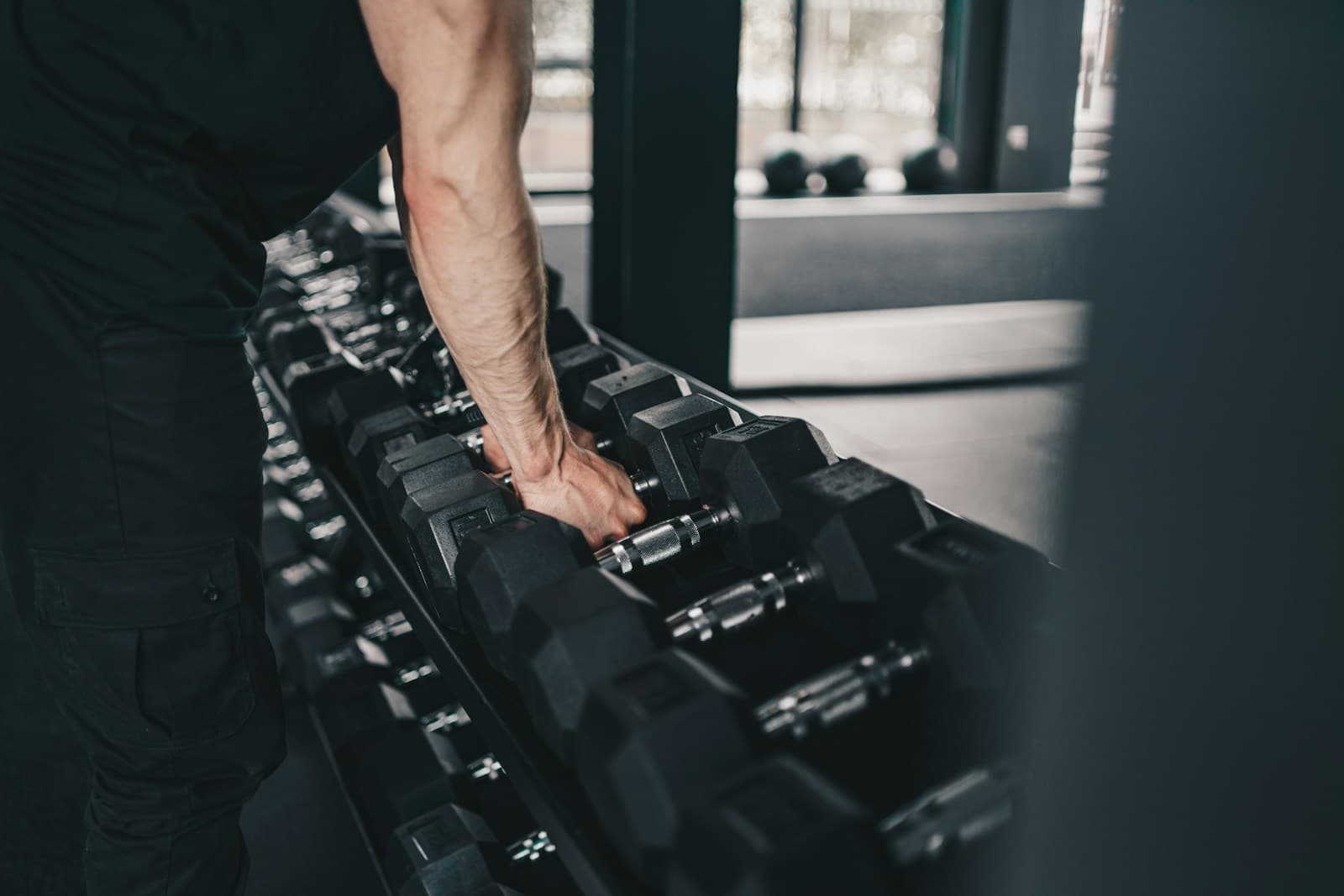
CrossFit prospects walk in intimidated before they arrive, and the first phone call or front-door conversation decides whether they stay or leave before their first WOD. Staff who have scripts for the six moments between first inquiry and on-ramp enrollment convert 2–3x the percentage of prospects as staff who improvise through these conversations.
Why Is CrossFit Front Desk Training Different?
Because the intimidation barrier is real and most staff underestimate it.
A prospect calling a yoga studio is nervous about flexibility. A prospect calling a CrossFit box is nervous about being the weakest person in the room, doing something called "Fran" and not understanding it, and the cultural vibe that CrossFit carries — intense, competitive, insider-language heavy. These concerns are legitimate, and they require specific answers, not generic reassurance.
The six conversations that determine enrollment:
- The phone inquiry
- The first visit / walk-in
- The gym tour
- The scaling / intimidation question
- The price conversation
- The on-ramp enrollment close
Train staff on all six. Most box training stops at number two.
What Does the Phone Inquiry Conversation Cover?
The phone call has one job: get the prospect in the door.
Most box phone calls fail because staff spend too long explaining CrossFit and too little time securing a visit. The prospect called because they already know what CrossFit is. They want to know if this box is right for them.
Script (under 3 minutes):
"[Gym name], this is [name] — thanks for calling. Have you done CrossFit before, or would this be your first time?" → pause for answer → tailor the next 30 seconds based on the response:
- If they've done CrossFit before: "What did you train at? Our programming is [brief description]. The best way to see if we're a fit is to come in for a free trial class — what does your week look like?"
- If it's their first time: "Perfect timing — we run an intro session specifically for new athletes that covers the basics before you jump into a group class. It's free and takes about an hour. Want to get that on the calendar this week?"
Close with a specific time slot, not "feel free to stop by." Ambiguous invitations result in drift. A specific time creates commitment.
What Happens at the First Visit?
The first 90 seconds at the front door determine the prospect's emotional baseline for everything that follows.
Greet by name if you have it from the phone inquiry. If it's a walk-in, introduce yourself by name and ask theirs. Show them around physically — not a brochure, not a website on a tablet. The gym is your best sales material.
The first-visit check-in sequence:
- Greet + name exchange
- One qualifying question: "What brings you in today — are you checking us out for yourself, or looking for something for a family member?"
- Set a 15-minute expectation: "I'm going to spend a few minutes showing you around and answering your questions. If you want to stay for a class or set up an intro session, we can do that before you leave."
- Walk the tour
The 15-minute expectation reduces prospect anxiety about being trapped in a sales pitch. People who know there's a defined exit convert at higher rates than people who don't know when the conversation ends.
How Do You Run a Converting Gym Tour?
The CrossFit gym tour is about answering the prospect's specific concern, not showcasing every feature.
Ask before you show: "What's your fitness background?" and "What's the main thing you're hoping to get out of training here?" The answers tell you what matters.
At the end of the tour, ask a close question: "Does this feel like what you were looking for?" This prompts the prospect to articulate their interest level, which tells you what objection to address next.
How Do You Answer the Intimidation and Scaling Question?
The scaling question is the most important technical conversation in CrossFit enrollment. Answer it badly and you lose prospects who would have been great members.
The failure mode is vague reassurance: "Don't worry, our coaches are great and everyone goes at their own pace." This sounds dismissive and doesn't answer the question.
The specific answer:
"Every WOD has three versions prescribed by the coach before class starts: Rx (the standard), a scaled version, and a beginner modification. The coach watches movement quality and will suggest the right version for each person on each movement. On your first few classes in on-ramp, everything is modified until the coach sees your movement patterns. Some things you'll pick up fast; others take time. The goal is appropriate intensity for where you are right now — not where the person next to you is."
Add a specific scenario: "If a WOD involves pull-ups, a beginner might do ring rows or jumping pull-ups. Same stimulus, appropriate difficulty. Nobody judges the modification — most athletes at some point are doing the scaled version on something."
What Does the Price Conversation Look Like?
Price conversations at CrossFit boxes are about positioning relative to alternatives, not defending your number.
The prospect who says "that seems expensive" has a comparison in their head. Find out what it is: "What are you comparing it to?" Listen to the answer. Then reframe specifically against that alternative.
Against a big-box gym ($30–50/month): "The difference is daily coaching. Every class at a box has a coach who knows your name, watches you move, and corrects form before it becomes an injury. Most of our members came from commercial gyms and say the coaching alone is worth the price difference — they progressed faster and stopped getting hurt. What was your experience like there?"
Against another CrossFit box: "Our pricing is [higher/similar]. The factors that drive the difference are [programming quality, coaching certifications, community, equipment]. What mattered most to you when you were training before?"
Never apologize for the price. Never offer a discount in the first conversation. If the price is genuinely a barrier, offer a shorter commitment (monthly vs. annual) rather than a reduced rate.
How Do You Close the On-Ramp Enrollment?
The enrollment close is not a hard sell — it's a clear next step with a specific option.
After the tour and any objection handling, the close:
"Based on what you've told me, the intro program is the right place to start. It's [duration, e.g., 6 sessions over 2 weeks], runs in the morning at [time options] or evening at [time options], and costs [price]. At the end of it, you'll know exactly how to do every movement in a class. When works better for you — this week or next week?"
The binary choice ("this week or next week") is a close technique that moves the decision from "should I do this?" to "when should I do this?" — a much easier decision.
For prospects who aren't ready to close: "What would you want to know before you felt ready to commit?" This surfaces the actual remaining objection.
For a broader look at CrossFit gym operations that supports this enrollment system, see the CrossFit gym operations manual. For the on-ramp curriculum that follows enrollment, see the CrossFit on-ramp program design guide. And for what happens after members join, see the CrossFit athlete retention guide.
Run your studio on Zatrovo
Manage on-ramp enrollment, class scheduling, and member communications in one platform for CrossFit boxes.

We write playbooks for studio operators — based on data from thousands of studios running on Zatrovo across pilates, yoga, lash, nail, massage, salon, dance, and fitness.
Related reading

Spin Studio Front Desk Training: Bike Fit, Class Jitters, and Membership Closes
Scripts for new rider bike setup anxiety, class-level questions, and membership closes — the front desk conversations that determine whether a first ride becomes a habit.
CrossFit Class Scheduling: Class Caps and Peak-Hour Allocation That Maximize Coach ROI
Class cap logic and peak-hour allocation that balances member satisfaction with coach-to-revenue efficiency.
CrossFit Gym Operations Manual: SOPs for Equipment Safety, Scaling, and Coaching Coverage
SOPs for a CrossFit box — equipment inspection, WOD scaling standards, coach coverage minimums — that hold when the head coach is absent.