CrossFit Gym Operations Manual: SOPs for Equipment Safety, Scaling, and Coaching Coverage
SOPs for a CrossFit box — equipment inspection, WOD scaling standards, coach coverage minimums — that hold when the head coach is absent.
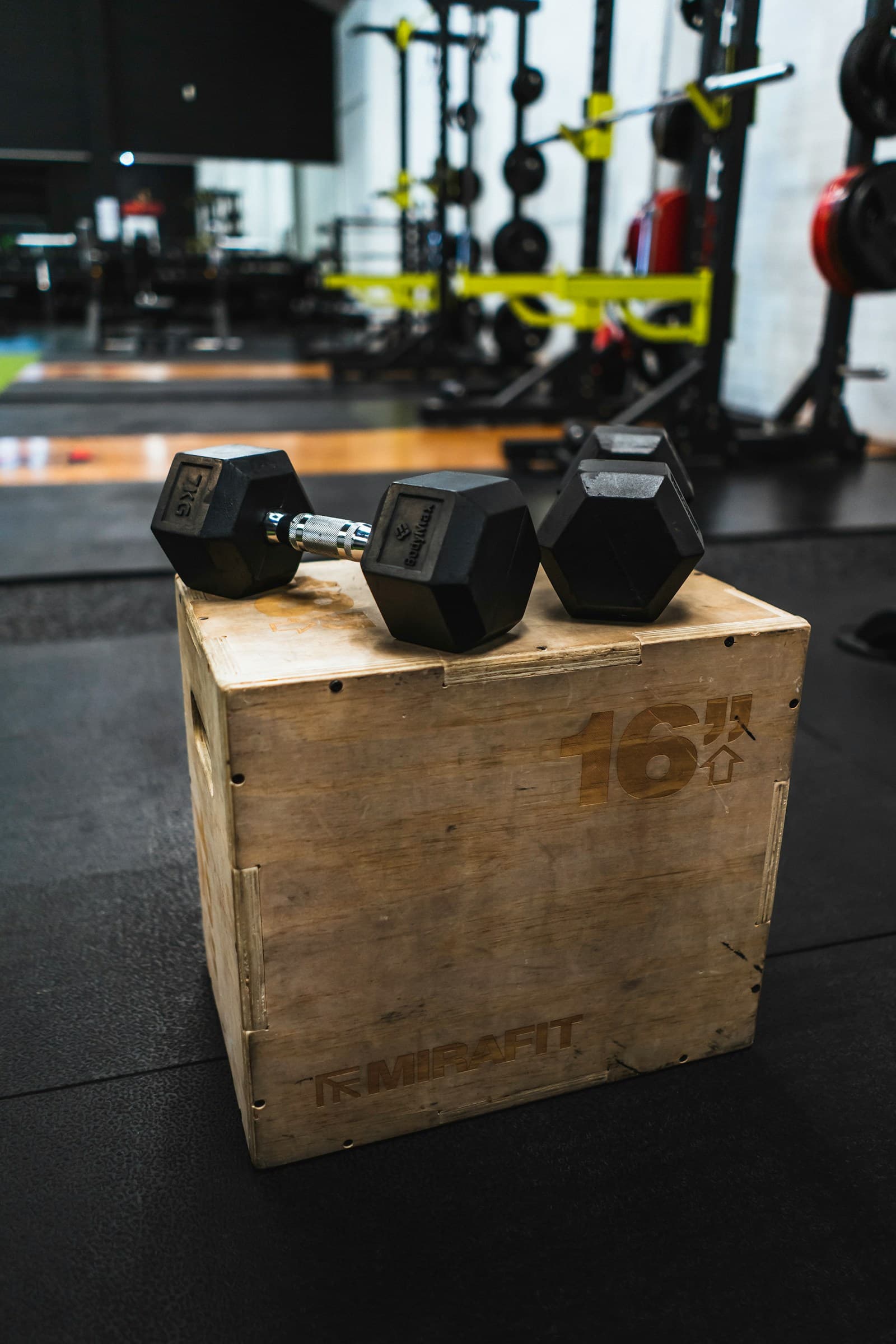
Equipment failure and unscaled loading injuries are the two most common liability events in CrossFit. Both have SOPs that almost no box writes down. A CrossFit operations manual built around weekly equipment inspection, pre-written scaling standards, and defined coaching coverage ratios handles both before they become incidents.
Why Does a CrossFit Box Need a Written Operations Manual?
CrossFit's constantly varied programming creates an operational challenge that standard fitness SOPs don't address: every class is different. An operations manual for a yoga studio can describe a consistent class structure. A CrossFit manual has to define how coaches make real-time decisions — about scaling, about athlete readiness, about equipment use — across workouts that change daily.
The operations manual doesn't standardize the WODs. It standardizes the decision-making process around them.
What Should the Equipment Safety SOP Cover?
CrossFit equipment has specific failure modes that generic gym inspection checklists miss.
Weekly checks:
- Barbells: visual inspection for bends (roll the barbell on the floor — any wobble is a bend), bearing/bushing spin on sleeves, knurling integrity
- Weight plates: cracks, chips at the collar hole, rubber bumper delamination
- Racks and rigs: all J-hooks seated and locking correctly, rack uprights plumb, floor bolts torqued
- Pull-up bars: welds inspected for cracking (especially at attachment points), any flex or movement in the bar
Monthly checks:
- Climbing ropes: sheath integrity at full length, attachment hardware at top
- Ring straps and gymnastic rings: strap wear at adjustment hardware, ring surface for cracks
- Wall-mounted pull-up sections: mount hardware torqued, wall anchor inspection
Documentation: Every inspection should be dated and signed by the coach who ran it. A simple log sheet on the equipment room wall is sufficient — what matters is that it's done and recorded.
How Do You Write a WOD Scaling Protocol?
A WOD scaling protocol defines two things: the standard scaling options for each movement category, and the coach's decision authority when an athlete doesn't self-scale appropriately.
Movement category scaling standards:
Olympic lifting (clean, snatch, jerk): Reduce load by 30–50% for new members or athletes returning from shoulder/back injury. Substitute power clean for full clean, hang position for floor pull, until full movement is demonstrated with an empty barbell.
Gymnastics (pull-ups, muscle-ups, handstand work): Scale pull-ups to banded or ring rows. Scale muscle-ups to jumping muscle-ups or C2B pull-up + ring dip. Scale handstand push-ups to pike push-ups. Never skip the scale — "partial reps" is not a scaling standard.
High-rep monostructural (running, rowing, burpees): Reduce rep count or distance for new members. For athletes with cardiovascular limitations or recent illness, define a max heart rate or RPE scale for self-regulation.
Coach authority: The operations manual should specify that coaches have authority — and responsibility — to require an athlete to scale regardless of the athlete's preference. This is the most operationally significant line in the protocol. Without it, coaches hesitate to override an experienced athlete's judgment, which is exactly when injuries happen.
What Are the Coaching Coverage Minimums?
Coaching coverage minimums define the minimum number of coaches required to run a class of a given size and type. Without them, a packed 6am class gets under-coached because "the schedule only has one coach on."
Standard minimums for CrossFit:
- General WOD class, beginner-intermediate: 1 coach per 15 athletes maximum
- Fundamentals/onboarding class: 1 coach per 8 athletes maximum
- Olympic lifting focus WOD: 1 coach per 10 athletes maximum
- Open gym: 1 coach present at all times regardless of athlete count
Coverage minimums should also define what happens when a coach cancels: who is the first call for a sub, what credential level the sub must have, and what the fallback is if no sub is available (cancel the class, merge with another class, owner coaches it personally).
For scheduling and staff management, see the CrossFit gym booking software guide.
How Do You Build a Substitute Coach Protocol?
The substitute coach protocol covers planned and unplanned absences. Most boxes handle this informally — a group text, whoever responds, hope for the best. That approach fails publicly when no one is available for an 8am class.
Sub coach requirements document:
- Pre-approved sub list: name, contact, credential level, insurance status
- Minimum notice for planned absence: define it (e.g., 48 hours)
- Programming notes: sub coaches need to know what's programmed before they arrive
- Athlete notes: any active injuries, new members in the class, behavioral considerations
- Compensation: define the sub pay rate (per class flat rate is standard)
For connection to the broader operational framework, see the profitable CrossFit gym guide and the CrossFit class scheduling guide.
How Do You Run an Incident Report Process?
CrossFit's high-intensity, variable programming means incidents — not just major injuries, but any moment where something didn't go as planned — should be logged.
Incidents to log: any injury requiring ice/rest, equipment that failed during use, a scaling decision that was challenged by an athlete, and near-misses (a dropped barbell that came close to another athlete, a slip on wet flooring).
The incident log serves two functions: compliance documentation if a claim is ever filed, and pattern identification. If three athletes complain of lower back pain in the same month during similar WODs, the log reveals the pattern. Without the log, each complaint is isolated and the root cause goes unaddressed.
External sources:
- CrossFit Affiliate resources — CrossFit affiliate programming and safety standards
- OSHA recordkeeping requirements — incident documentation standards for small businesses
Run your studio on Zatrovo
Manage WOD sign-ups, member tracking, and coaching schedules for CrossFit boxes on one platform.

We write playbooks for studio operators — based on data from thousands of studios running on Zatrovo across pilates, yoga, lash, nail, massage, salon, dance, and fitness.
Related reading
CrossFit Class Scheduling: Class Caps and Peak-Hour Allocation That Maximize Coach ROI
Class cap logic and peak-hour allocation that balances member satisfaction with coach-to-revenue efficiency.
CrossFit Gym Front Desk Training: From First Call to First WOD
Scripts for the six conversations that determine whether a prospect becomes a member — from first call to on-ramp enrollment.
CrossFit Gym Software Hub: WOD Sign-Up, Attendance Tracking, and Member Management
Every CrossFit box software guide in one place — WOD sign-up, class caps, drop-in management, and the platforms used by affiliate boxes worldwide.