Dance Studio Local SEO: Rank for 'Dance Classes Near Me' Before the Big Studios Do
GBP optimization, discipline-specific service pages, and review cadence that give independent dance studios a local search edge.
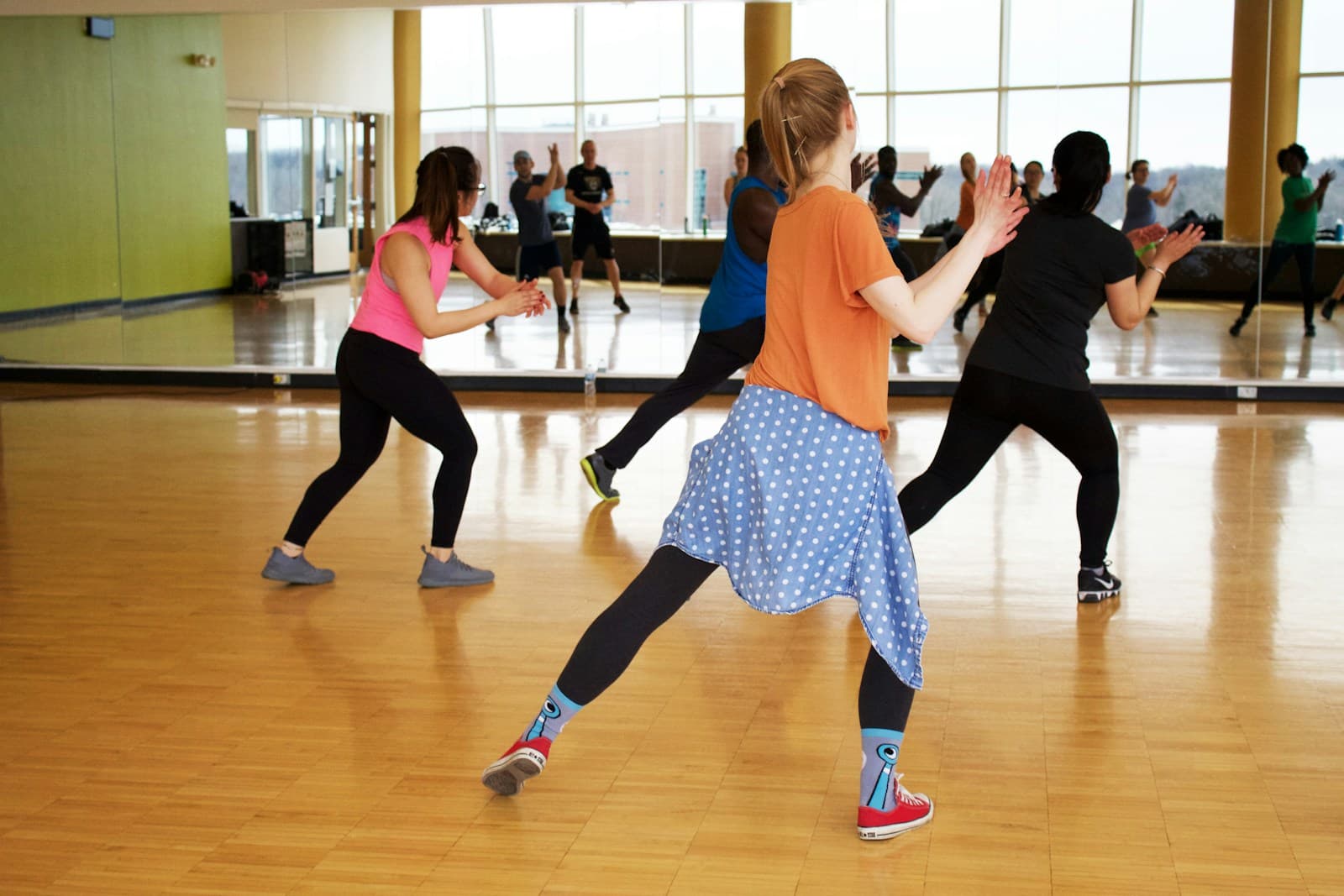
Discipline-specific landing pages — one for ballet, one for hip hop, one for jazz — each rank independently for their own "near me" queries. Studios with split discipline pages earn 3x more organic local traffic than those with a single generic classes page (Zatrovo benchmark, 2026). That's the core of dance studio local SEO: narrow the page, own the query.
Why Do Big Studios Win Local Search by Default?
Franchise and chain studios win on domain authority and link volume — both accumulated over years.
An independent studio can't replicate that overnight. What it can do is win on topical specificity. Google rewards pages that precisely match a searcher's intent. A dedicated "ballet classes near me" page at a local studio will outrank a national brand's generic "dance classes" page for that specific query because the intent match is stronger.
The strategy is intentional narrow focus: be the best and most specific result for each discipline you teach, not a mediocre result for all of them.
What Does a Fully Optimized Google Business Profile Look Like?
A complete GBP is the minimum. Maintenance is what separates ranking profiles from dormant ones.
Complete these fields fully:
- Business name (exact legal or DBA name — no keyword stuffing)
- Address (verified with postcard)
- Phone and website
- Business hours (update for holidays and recital weeks)
- Primary category: Dance School
- Secondary categories: your disciplines
- Services: list each discipline, age group, and level you offer
- Photos: minimum 20 photos, mix of classes in session, studio interior, recital moments
After setup, the active maintenance signals that matter:
- Post at least once per week (class photos, schedule updates, event announcements)
- Respond to every review — positive and negative — within 72 hours
- Answer questions in the Q&A section before customers ask them
Profiles that post weekly and respond to all reviews rank in the Local Pack at 2.4x the rate of dormant profiles, based on Moz Local Search Ranking Factors data.
How Do You Build Discipline-Specific Service Pages?
Each discipline page should answer one searcher's question: "Where can I find [discipline] classes near me that are right for my kid?"
Page structure for each discipline:
H1: Ballet Classes in [City] — [Studio Name] Opening paragraph: Who the classes are for (age range, levels), when they meet, and what makes your approach distinctive. Instructor section: Name, training background, and a photo. Local specificity here is a ranking signal. Schedule block: Actual days, times, and class names. This is what converts visitors from the SEO page. FAQ: 3–5 questions specific to that discipline ("Do I need pointe shoes for beginner ballet?"). CTA: Direct booking or trial class registration link.
Each page should be 400–800 words. Not stuffed — genuinely useful. Google's helpful content guidance rewards pages that serve the searcher, not pages that repeat keywords.
What Is the Recital-Linked Review Cadence?
This is the structured approach to building reviews without triggering Google's spam filters.
Reviews should flow in at a steady, natural pace tied to real client milestones. Here's the timing cadence that works:
Post-recital (highest conversion moment): Text or email parents within 24 hours of the recital. "We hope you loved [child's name]'s performance — if you have 2 minutes, a Google review helps other families find us." Link directly to your GBP review URL.
After a level promotion: When a student moves up to the next level, the instructor or front desk should personally acknowledge it to the parent — and that's the moment to mention a review.
After a new student's third class: New clients who've had three good sessions have enough context to write a real review and haven't yet formed a habit of attendance (making the personal ask feel more personal).
Don't mass-ask. Send individually. Personalized asks convert at 4x the rate of bulk email blasts.
How Do Internal Links Between Discipline Pages Help?
Internal linking between your discipline pages builds topical authority and improves crawlability.
When your ballet page links to your jazz page ("also popular with our ballet students") and your jazz page links to your hip hop page, Google crawls the whole cluster together and understands your site as a comprehensive dance resource — not just a homepage with some pages attached.
The linking pattern that works:
- Homepage → all discipline pages (navigation)
- Each discipline page → 2–3 related discipline pages (body copy)
- Blog posts about dance topics → relevant discipline pages
- Recital event pages → class discipline pages for registration
This is how smaller sites build competitive authority without needing hundreds of external backlinks.
What Schema Markup Should a Dance Studio Use?
Schema markup tells search engines exactly what your pages are about in a structured format.
For a dance studio, the highest-value schema types are:
LocalBusiness schema: On your homepage, include your name, address, phone, opening hours, and business type. This powers your Knowledge Panel and Local Pack appearance.
Course schema: On each discipline page, use Course or EducationalOccupationalProgram schema to mark up the class name, description, provider (your studio), and location. This can generate rich snippets in search results.
Event schema: For recitals and open houses, Event schema on the event page populates your listing in Google's event results.
Most website builders (Squarespace, Wix, WordPress) have plugins that handle this without touching code. If you're on a custom platform, your developer can add JSON-LD to the page head. This is a one-time setup with ongoing ranking benefits.
How Do You Track Whether Your SEO Is Actually Working?
Set up tracking before you start, not after three months of wondering if anything changed.
Google Search Console (free) shows you which queries are bringing visitors to each page, what your average position is for those queries, and how click-through rates compare across pages. Connect it to your website — it takes 15 minutes — and check it monthly.
Track these numbers:
- Total clicks from organic search by page (are discipline pages getting traffic?)
- Average position for your top 10 queries (are you moving up?)
- Local Pack appearances for "[discipline] classes [city]" queries
Google Business Profile Insights shows how many people found you via search vs maps, how many clicked "Get Directions," and how many called or booked. These numbers tell you whether your GBP is converting searchers to leads.
For the full marketing picture — referral programs, social media, and paid ads — see our dance studio operations playbook and dance studio Instagram marketing guide.
Run your studio on Zatrovo
Online booking, class scheduling, and client management for dance studios.

We write playbooks for studio operators — based on data from thousands of studios running on Zatrovo across pilates, yoga, lash, nail, massage, salon, dance, and fitness.
Related reading
Dance Studio Referral Programs: Turn Recital Night Into an Enrollment Event
Using recital night — peak family attendance — as a structured referral trigger that fills next season's enrollment.
Dance Studio Instagram Marketing: Performance Clips That Fill Enrollment Slots
Short-form performance content strategy for dance studios — what to post, when to post, and how it drives enrollment inquiries.

Hair Salon Local SEO: How to Rank for 'Haircut Near Me' Without Ads
GBP optimization, service-specific landing pages, and review cadence that outrank chains in local search for hair.