Dance Studio Loyalty Programs: Recognition That Keeps Competitive Families Enrolled
Recognition structures — milestone patches, showcase spots, leadership roles — that retain competitive families without discounts.
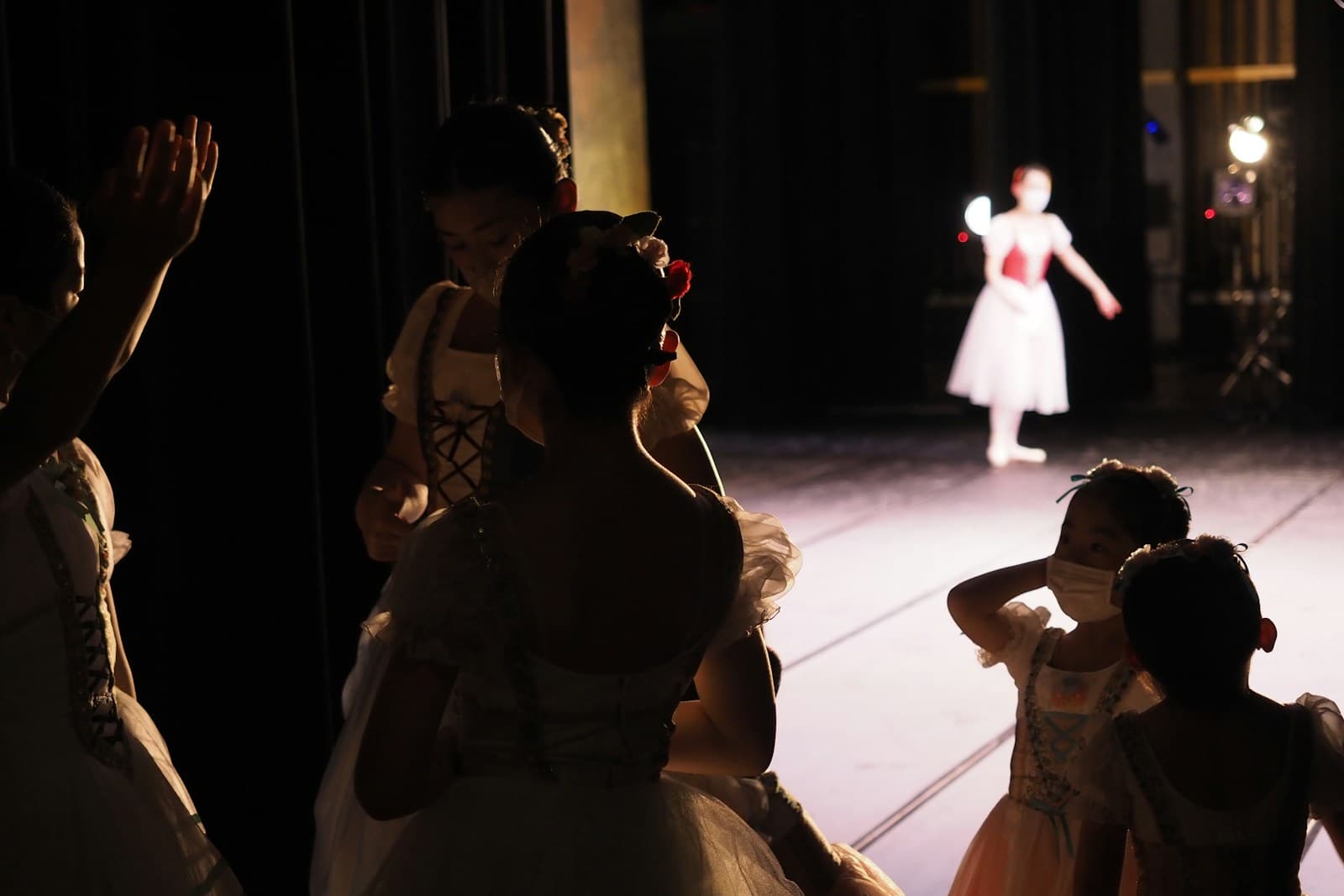
Non-monetary recognition retains competitive dance families more effectively than discounts: studios using milestone patches, showcase spotlights, and leadership roles see 35% longer enrollment tenure than discount-only programs (Zatrovo benchmark, 2026). The reason is structural — competitive families already invest heavily in the studio; what they want is acknowledgment of that investment, not a price reduction.
Why Do Competitive Families Leave Dance Studios?
The most common reason competitive families disenroll is not cost — it's feeling invisible.
When a student makes the competition team, wins a regional title, or completes a fifth year of training, they expect the studio to mark the moment. Studios that don't — that treat year five the same as year one — train families to look for validation elsewhere. That elsewhere is often a competing studio that does recognize their investment.
What Is the Recognition Ladder Framework?
The Recognition Ladder is a three-tier structure for dance studio loyalty: Acknowledge, Elevate, and Lead.
Acknowledge covers attendance milestones and recital participation. A 6-month recognition, a 1-year patch, annual patches after that. These are low cost and high frequency — every student encounters them.
Elevate covers performance achievements. First solo, first competition, first advanced placement, first scholarship. These are not given to every student and should not be — they mark genuine achievement. A personal note from the director plus a studio social media spotlight costs nothing.
Lead covers the highest tier: assistant teaching roles, studio ambassador designation, leadership in showcase events. These are reserved for senior students and are the most powerful retention tool in the program. A student who teaches beginner ballet on Saturday mornings is not leaving for a competitor studio.
What Non-Monetary Recognition Works for Competitive Families?
The five recognition mechanics that consistently outperform discounts:
Milestone patches and pins. Physical objects that accumulate over years. A student with seven years of patches has a visible record of commitment. Patches run $3–$8 each. The retention value per dollar spent is high.
Showcase spotlight spots. Priority placement in the studio showcase for tenured students and competition team members. No cost — just intentional scheduling. Families perceive it as a significant honor.
Social media recognition. A post on the studio's Instagram celebrating a first competition win, a scholarship, or a milestone anniversary. Zero cost. High perceived value for families who are proud of their child's achievement.
Director personal notes. A handwritten or personally signed note at each milestone. For competitive families, a note from the person whose opinion matters most at the studio is more meaningful than a discount code.
Assistant teaching roles. Paid or unpaid, these give senior students status and responsibility. Families of student teachers become some of the most loyal advocates for the studio.
How Do You Structure a Dance Loyalty Program Without Discounts?
The program works when recognition is predictable — families should know exactly when milestones will be acknowledged — and when it is personal. Generic recognition (a form email on an anniversary) has far less impact than a personal note or a public showcase moment.
How Do You Include Recreational Students Without Diluting Competitive Recognition?
Run two parallel tracks within the same program.
The competitive track ties recognition to performance outcomes: competition placements, audition results, scholarship wins, advanced technique milestones. These are specific to competitive dancers and should be.
The recreational track ties recognition to participation and growth: classes attended (25, 50, 100, 250), recitals performed, skills demonstrated. A recreational student completing their 100th class has made a genuine commitment — that deserves acknowledgment even if they've never competed.
Separate names for each track avoid confusion. Call the competitive track "Studio Company Recognition" and the recreational track "Studio Community Recognition." Both sit under a unified "Studio Family" program umbrella.
What Role Do Parents Play in a Dance Loyalty Program?
Parent retention is as important as student retention — families make the enrollment decision.
The most effective parent recognition connects to their support role at the studio: volunteer hours at recitals, costume coordination, travel coordination for competition trips, social media advocacy. A "Studio Family of the Year" recognition at recital — voted by studio staff — creates a meaningful moment for parents who've given years to the community.
Parent recognition also creates a social layer to the loyalty program. Recognized parents talk. They recommend the studio to other families. They become acquisition assets.
How Do You Communicate the Loyalty Program to Families?
Three channels, used consistently:
Enrollment onboarding. Include a one-page overview of the recognition program in every new family welcome packet. Families who know what recognition is coming are more likely to stay long enough to receive it.
Monthly newsletter. Feature one or two recognition stories each month — a milestone reached, an achievement celebrated. This keeps the program visible and communicates that recognition is real, not theoretical.
Social media. Every recognition moment that a family consents to publicize is content. A student's seventh-year anniversary patch, a competition win, an assistant teaching debut — these are authentic posts that attract similar families.
How Do You Track Enrollment Milestones at Scale?
Manual tracking breaks down above 50 active students. The system needs to be in your software.
For studios on Zatrovo, custom member tags and enrollment duration filters let you surface students within 30 days of a milestone. Export monthly, review, order patches, draft notes. The process becomes a 30-minute monthly routine rather than a reactive scramble.
For studios on other platforms, a simple spreadsheet works: student name, enrollment start date, milestones reached, next milestone date. Sort by "next milestone date" and you'll never miss one.
The dance studio operations manual covers the broader systems for managing student lifecycle — loyalty programs fit within the retention segment of that framework.
For a tactical breakdown of how to recover students who've already drifted, see the re-engage dance students guide. For the recital planning context in which recognition programs peak in visibility, see the dance recital planning guide.
Run your studio on Zatrovo
Track enrollment milestones, automate recognition reminders, and manage your studio family in one platform.

We write playbooks for studio operators — based on data from thousands of studios running on Zatrovo across pilates, yoga, lash, nail, massage, salon, dance, and fitness.
Related reading
Dance Studio Student Retention: The Re-Enrollment Conversation That Works
The timing and framing of the re-enrollment conversation that keeps families from quietly drifting to the studio down the street.

Martial Arts Loyalty Programs: Non-Belt Recognition That Keeps Students Showing Up
Recognition structures outside the belt system — class streaks, mat time awards, leadership roles — that sustain motivation between promotions.
Re-Engaging Lapsed Dance Students: Timing and Scripts That Get Them Back
A re-engagement sequence timed to the academic calendar — when families are naturally reconsidering activities.