Hiring Dance Teachers: The Audition Format That Predicts Student Retention
An audition format that evaluates classroom management and student rapport — not just technique — because technique alone doesn't retain students.
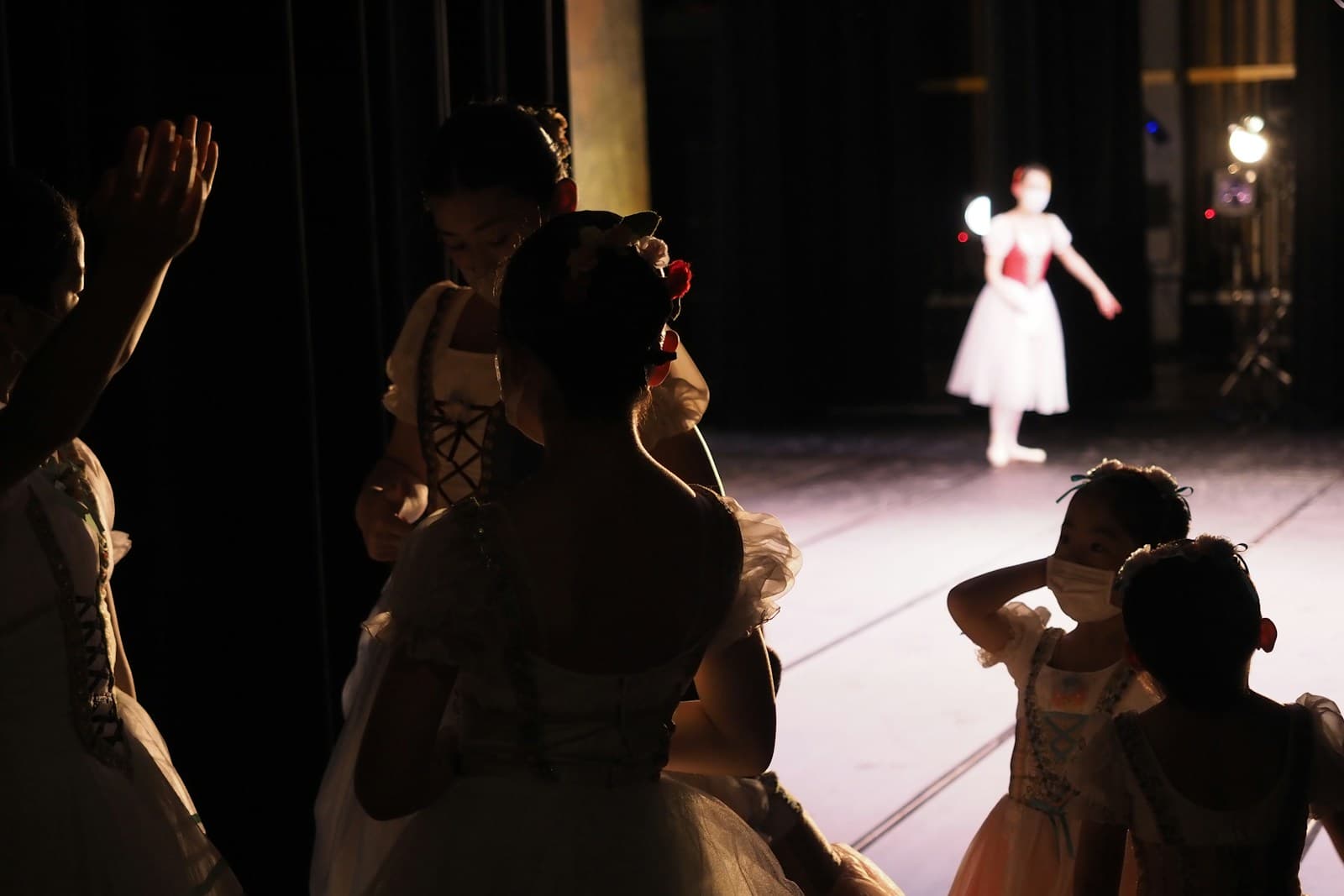
Studios that audit teaching ability in their hiring process — not just technique — hire teachers whose students re-enroll at rates 25–30% higher than studios that hire on skill alone. The audition format that reveals classroom management takes 30 minutes and requires nothing more than a small real class and a structured observation checklist.
Why Does Technique Fail as the Primary Hiring Criterion?
Technique and teaching are different skills.
A dancer who performed professionally for a decade has spent thousands of hours perfecting movement. They may have spent zero hours learning how to explain movement to an 8-year-old, manage a student who starts crying mid-class, or keep 12 children engaged for 45 minutes without losing the thread.
Studios that hire on technique first find this out during probation. The class runs fine. The students learn the choreography. But re-enrollment at the end of the term is lower than average because the students liked the class but didn't feel seen.
What Does the Two-Part Audition Look Like?
The Two-Part Teaching Audition separates technique from pedagogy. It takes under two hours and gives you data you can't get from a resume or reference call alone.
Part 1: 20-Minute Technique Assessment (private) Ask the candidate to demonstrate a warm-up and a short combination they would use with the target age group. Evaluate execution quality, vocabulary, and how they explain the movement to you. This confirms baseline competency and gives you context for Part 2.
Part 2: 25-Minute Live Teaching Segment (with real students) Place the candidate in front of 8–12 students at the age level they're applying to teach. Give them a brief: teach a warm-up and introduce one new skill or combination. Observe the following:
- How they respond when a student can't execute correctly (correction method)
- Whether they use student names
- How they maintain energy across all ability levels in the room
- What they do when students lose focus
Score each dimension on a 1–4 scale during observation. The score sheet is your decision record.
How Do You Evaluate Feedback Delivery Specifically?
Feedback delivery is the skill most closely correlated with student retention.
Students who feel corrected — rather than helped — stop attending. This is especially true for youth students whose parents monitor their mood after class. A technically demanding teacher who makes students feel inadequate will see re-enrollment drop quietly, without any single complaint that's easy to trace.
Watch for these specific behaviors during the audition:
Sandwich framing (positive → correction → encouragement) is the minimum standard for youth teaching. A candidate who jumps directly to "that's wrong, try again" without positive framing is flagging a classroom management risk.
Demonstration over declaration. Good teachers show the correction rather than just name it. If a student's arm position is wrong, the teacher demonstrates the correct position at the student's eye level.
Whole-class corrections. When multiple students make the same error, the best teachers address it to the group without singling anyone out. "Everyone let's try the arm position again from the top" is better than "You and you — arms down."
What Are the Reference Questions That Matter for Teaching Roles?
Most reference checks confirm that the candidate showed up and the studio liked them. That's not what you need to know.
Ask these specific questions:
- "Were students assigned to their classes re-enrolling at the studio's average rate or above it?" (Quantifies retention impact.)
- "Describe how they handled a student who was visibly struggling technically." (Reveals correction instinct.)
- "Did you receive parent feedback — positive or negative — specifically about their classes?" (Surfaces reputation you won't find on the resume.)
- "Would you rehire them if the role were available?" (The most honest single question.)
Request at least two references from direct supervisors in teaching contexts — not performance directors or fellow dancers. Teaching references and performance references measure different things.
What Probation Structure Makes the Placement Decision Clear?
A 90-day probation with three defined checkpoints eliminates the ambiguity that causes studios to keep a poor-fit teacher longer than they should.
Day 30 check-in: Review class attendance rate (are students coming back week to week?), any incidents or complaints, and the teacher's own assessment of the class dynamics.
Day 60 check-in: Review a lesson plan. Does it show progression for students? Ask the teacher to self-evaluate their feedback delivery. This conversation often surfaces self-awareness gaps that predict long-term fit.
Day 90 decision: Pull re-enrollment intention data if your term ends nearby. If not, evaluate attendance trend and parent feedback. Confirm or end the probation in writing.
Define acceptable performance thresholds before probation starts: attendance rate above X%, zero documented complaints about correction style, lesson plan submitted on schedule. Objective thresholds protect both parties.
For a full framework on structuring instructor pay and contracts, see the dance studio ops playbook and the instructor contracts guide. If you're also evaluating pay structures, the dance teacher pay rates guide covers the market benchmarks.
What Contractual Terms Should a Dance Teacher Agreement Include?
Beyond the standard employment terms, a dance teacher agreement should address:
Choreography and curriculum ownership. Any choreography created for your studio's recital or curriculum is work-for-hire — owned by the studio, not the teacher. State this explicitly. Teachers who leave and take their choreography to a competing studio create both legal and practical problems.
Non-solicitation clause. Prohibits the teacher from directly recruiting your enrolled students or their families to another studio for 12 months post-departure. As noted in the FAQ, this is more enforceable than a geographic non-compete.
Substitution requirements. What notice the teacher must provide before missing a class, how substitutes are arranged, and whether the teacher is responsible for finding a sub or the studio provides one.
Social media and photography. Requires parent consent before posting student photos, restricts filming of classes without studio approval, and defines what the teacher may post about their role at your studio.
Run your studio on Zatrovo
Manage dance teacher schedules, class assignments, and payroll in one platform.
Sources:
- Royal Academy of Dance: Teaching qualifications — certification standards reference
- Dance/USA: Workforce and salary data — industry benchmarks for dance educators

We write playbooks for studio operators — based on data from thousands of studios running on Zatrovo across pilates, yoga, lash, nail, massage, salon, dance, and fitness.
Related reading
Dance Teacher Pay Rates: Hourly vs Per-Class vs Revenue Share
The three pay structures for dance teachers — hourly, per-class, and revenue share — with the retention data behind each.
Dance Studio Operations Manual: Procedures That Run Without the Owner in the Room
SOPs for a dance studio — arrival windows, dress code enforcement, substitute teacher protocols — that hold when you're not watching.
Re-Engaging Lapsed Dance Students: Timing and Scripts That Get Them Back
A re-engagement sequence timed to the academic calendar — when families are naturally reconsidering activities.