Martial Arts Class Scheduling: Separating Youth, Adult, and Competition Tracks
The scheduling structure that separates youth, adult, and competition tracks without confusing new students or wasting mat time.
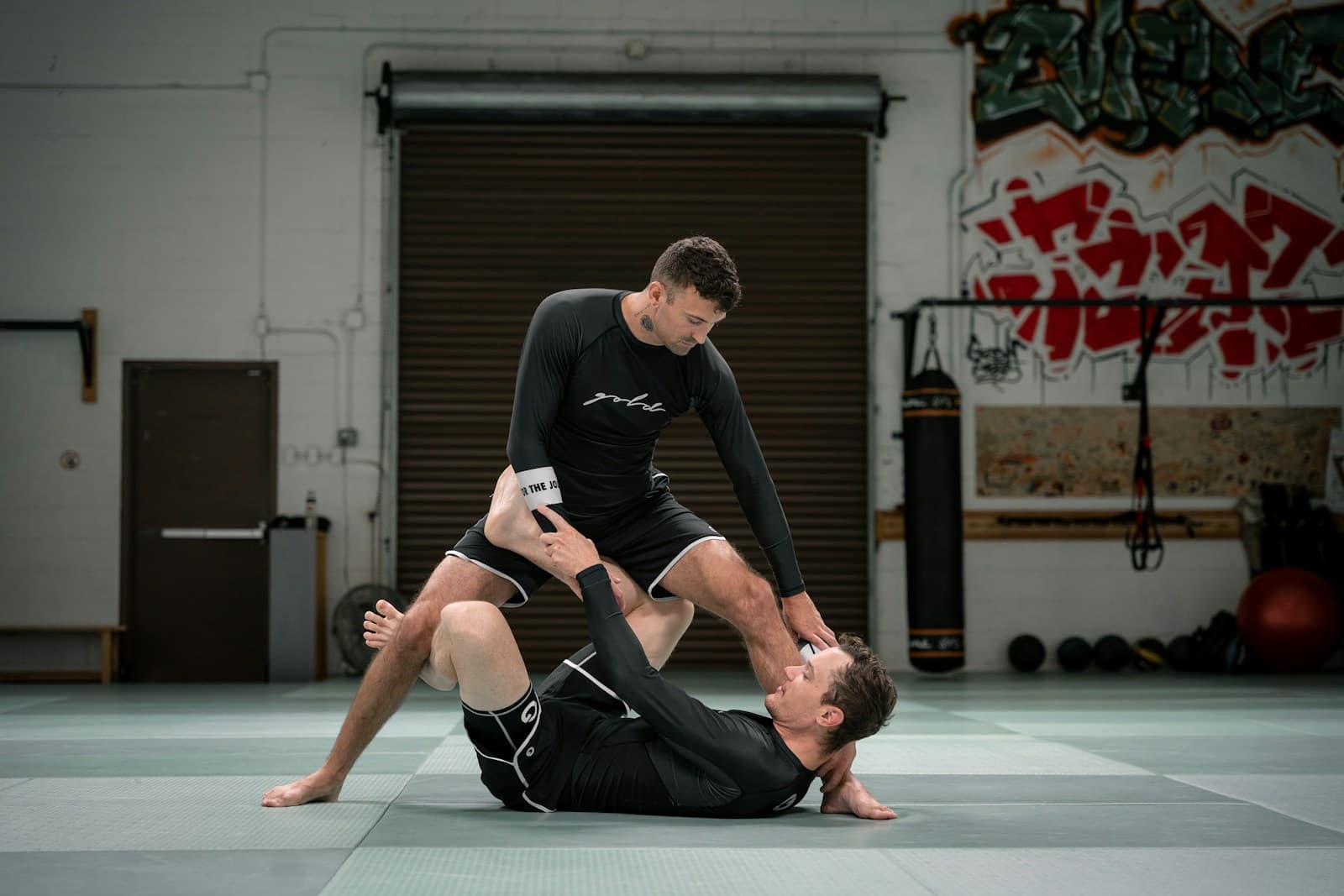
Competition team scheduling bleeds into general classes when tracks aren't separated — it accelerates dropout in recreational students who feel out of place. The fix is a three-track timetable structure: Youth, Adult Fundamentals/Intermediate, and Competition, each with its own time blocks and class naming that signals who belongs.
Why Does Track Separation Matter for Retention?
A recreational adult who joins a fundamentals BJJ class and finds themselves on the mat next to a state-ranked competitor drops out within 60 days. Not because the competitor is unkind — because the skill gap creates a visceral sense of "I don't belong here."
The same dynamic affects youth students when competition team kids train alongside recreational kids in the same class. The competitive kids are faster, more aggressive, and more technically polished. Recreational kids feel inadequate. Parents notice.
How Do You Build the Three-Track Timetable?
The Three-Track Dojo Timetable assigns every class to one of three lanes: Youth, Adult General, and Competition. Each lane has its own time blocks, instructor assignments, and booking flow.
Youth Track (Ages 5–14): Classes in the 4:00–6:30pm weekday window and 9:00–11:00am Saturday. Cap sizes at 8–12 students per instructor. Separate age bands when volume allows — Little Ninjas (5–7), Junior (8–11), Teen (12–14).
Adult General Track: Classes from 6:00–9:00pm weekdays and 10:00am–12:00pm Saturday. Split into Fundamentals (0–12 months experience) and Intermediate (1+ year). A new student arriving for the first time should always see a Fundamentals class available in the next 48 hours.
Competition Track: Classes 7:00–9:00pm select weekdays or early morning (5:30–7:00am). These are invite-only or tryout-based. They should not appear as bookable classes in the general member app — list them as internal or require coach approval.
What Class Naming Prevents Confusion?
Bad: "Karate Class," "BJJ Tuesday," "Advanced Training" Good: "Youth Karate — Ages 8–12 (Beginner)," "Adult BJJ Fundamentals — All Belts Welcome," "Competition Team Training — Invite Only"
Every class name should answer three questions without the student needing to ask: Is this the right age group? Is this the right skill level? Is this open to me?
At the booking stage, add a two-sentence class description. "This class is for adults new to BJJ or returning after a break. No experience required — we start from basics every session." That description prevents the wrong student from booking and sets the right expectation for the correct student.
How Do You Allocate Peak Hours Without Creating Track Conflicts?
The 4:00–6:30pm weekday block is the most contested time at any dojo. Youth classes, adult fundamentals, and adult intermediate all have families who prefer these hours.
The constraint is physical — one mat can only run one class at a time. If you have one mat space, youth gets 4:00–5:30pm and adults get 6:00–8:00pm. If you have two mat spaces, you can run youth on one and adult fundamentals on the other simultaneously from 5:00–6:30pm.
Do not try to run adult competition training in the 6:00–7:30pm window. It conflicts with your highest-demand adult general class time and signals to recreational adults that their slot is secondary.
What Is the Right Class Cap for Each Track?
Class caps are a function of mat space, instructor-to-student ratio, and the training modality.
Striking arts (karate, kickboxing, Muay Thai): 12–18 students per instructor for adult classes. 8–12 for youth. Students need more lateral space than grappling arts.
Grappling arts (BJJ, wrestling, judo): 10–14 students per instructor for adult classes. 6–10 for youth. Rolling pairs require significant mat space — cap based on physical floor area first.
Mixed or kata-focused classes: Higher caps are possible (up to 20) because students aren't always moving simultaneously.
Cap competition classes tighter than general classes regardless of art. 8–14 students with the head coach allows for specific technique feedback that's impossible at 20.
How Do You Handle Instructor Availability Across Tracks?
Track separation creates a staffing constraint: you now need instructors qualified and willing to teach each track, not just "any class."
The minimum staff model for a three-track school:
- One dedicated youth instructor (or two if volume warrants)
- Two adult general instructors who can split fundamentals and intermediate
- One head coach for competition team
Substitute coverage needs to be pre-planned per track. A competition team coach who subs a youth class because no one else is available is an emergency situation, not a standard operating procedure. Document substitution priority for each track in your scheduling system.
For the broader operations framework this scheduling structure fits within, see the martial arts school operations manual. For software that supports track-separated scheduling and per-class-type booking rules, see the martial arts booking software guide.
How Do You Prevent New Students From Booking the Wrong Class?
Three gates:
Class name clarity. As covered above — name the class such that the right student self-selects.
Booking confirmation message. Include a sentence in the booking confirmation: "This class assumes no prior experience — please arrive 5 minutes early for a quick orientation." Or: "This class is for intermediate students with 12+ months of training. If you're new, please book the Fundamentals class instead."
First-session follow-up. After a student's first class, an automated message: "Welcome — here's the track that's right for where you are, and here's how to find your next class." Direct them explicitly to the right progression.
Run your studio on Zatrovo
Build multi-track schedules, manage class caps by track, and automate waitlists — without spreadsheets.

We write playbooks for studio operators — based on data from thousands of studios running on Zatrovo across pilates, yoga, lash, nail, massage, salon, dance, and fitness.
Related reading
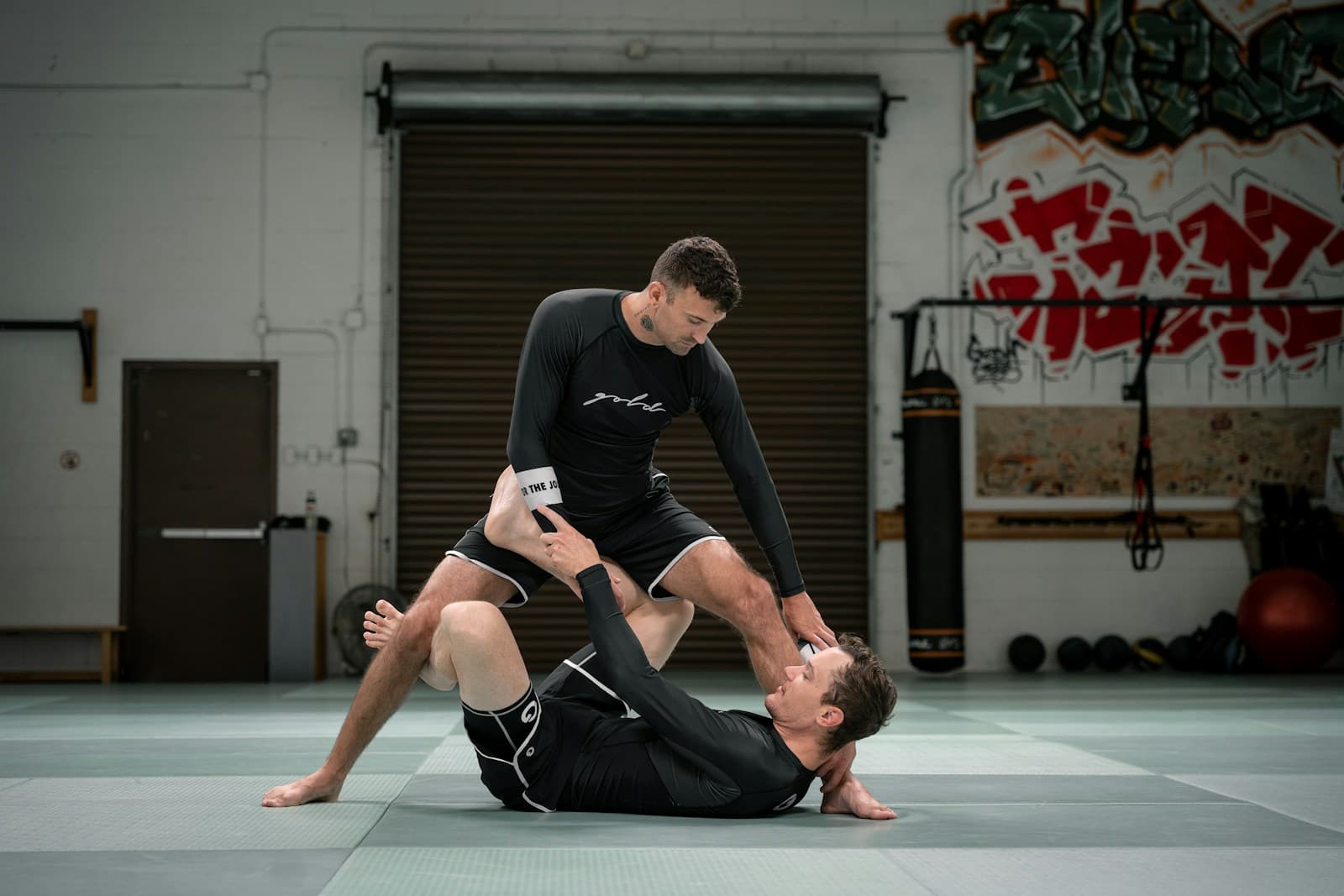
Martial Arts School Software Hub: Belt Tracking, Attendance, and Billing for Dojos
Every martial arts school software guide in one place — belt level tracking, attendance streaks, testing fee management, and the platforms built for martial arts schools.
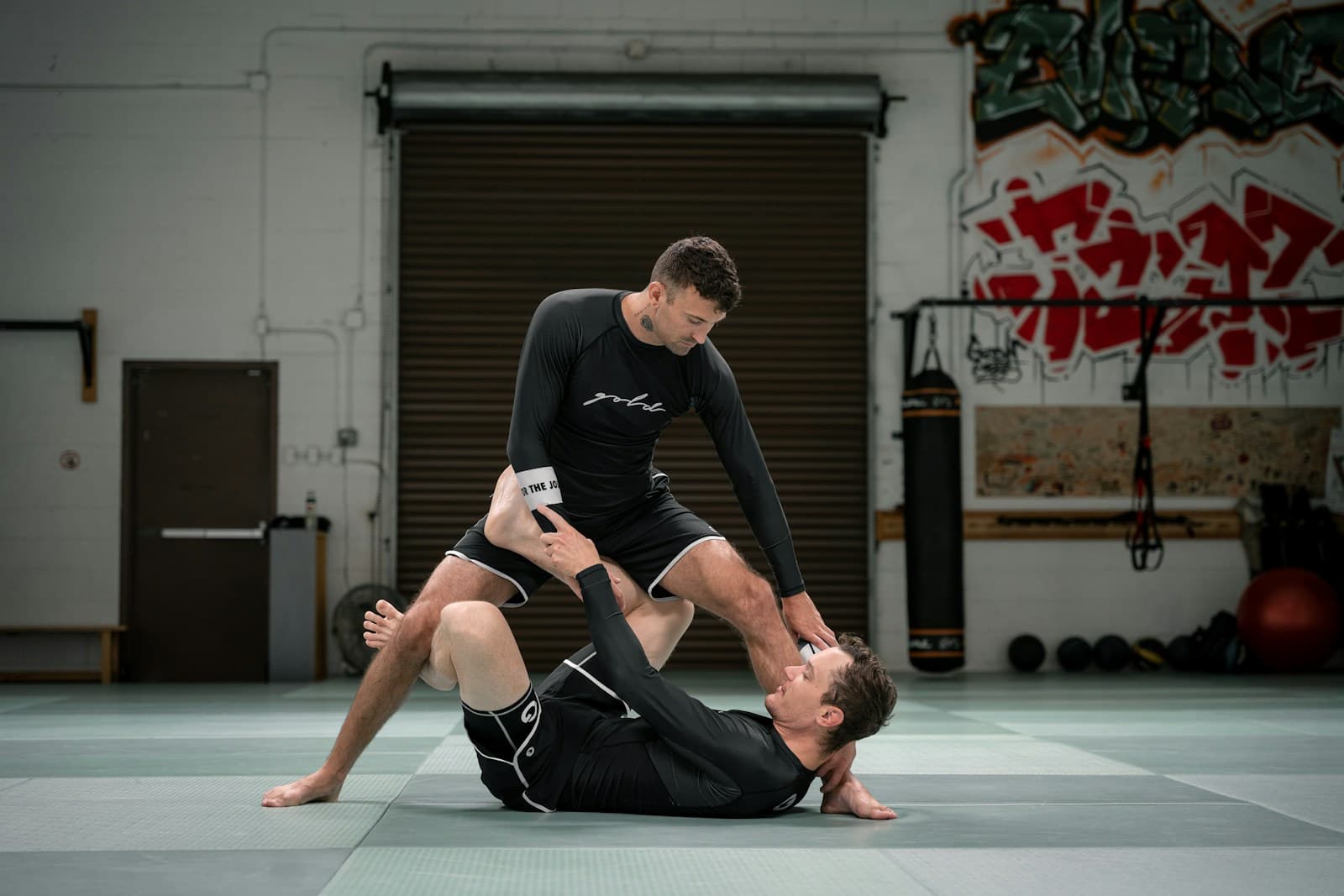
Belt Promotion Event Planning: The Ceremony That Makes Families Stay for Years
A belt promotion event format — timing, ceremony flow, family involvement, photography — that becomes the school's highest-retention moment.

Martial Arts School Front Desk Training: Enrollment Conversations for Hesitant Parents
Scripts for the enrollment hesitation conversations unique to martial arts — safety concerns, discipline worries, belt progression questions.