Pilates Class Pack Pricing: Real Benchmarks from 300+ Studios
What pilates studios charge for 5, 10, and 20-class packs in 2026 — with margin math that works.
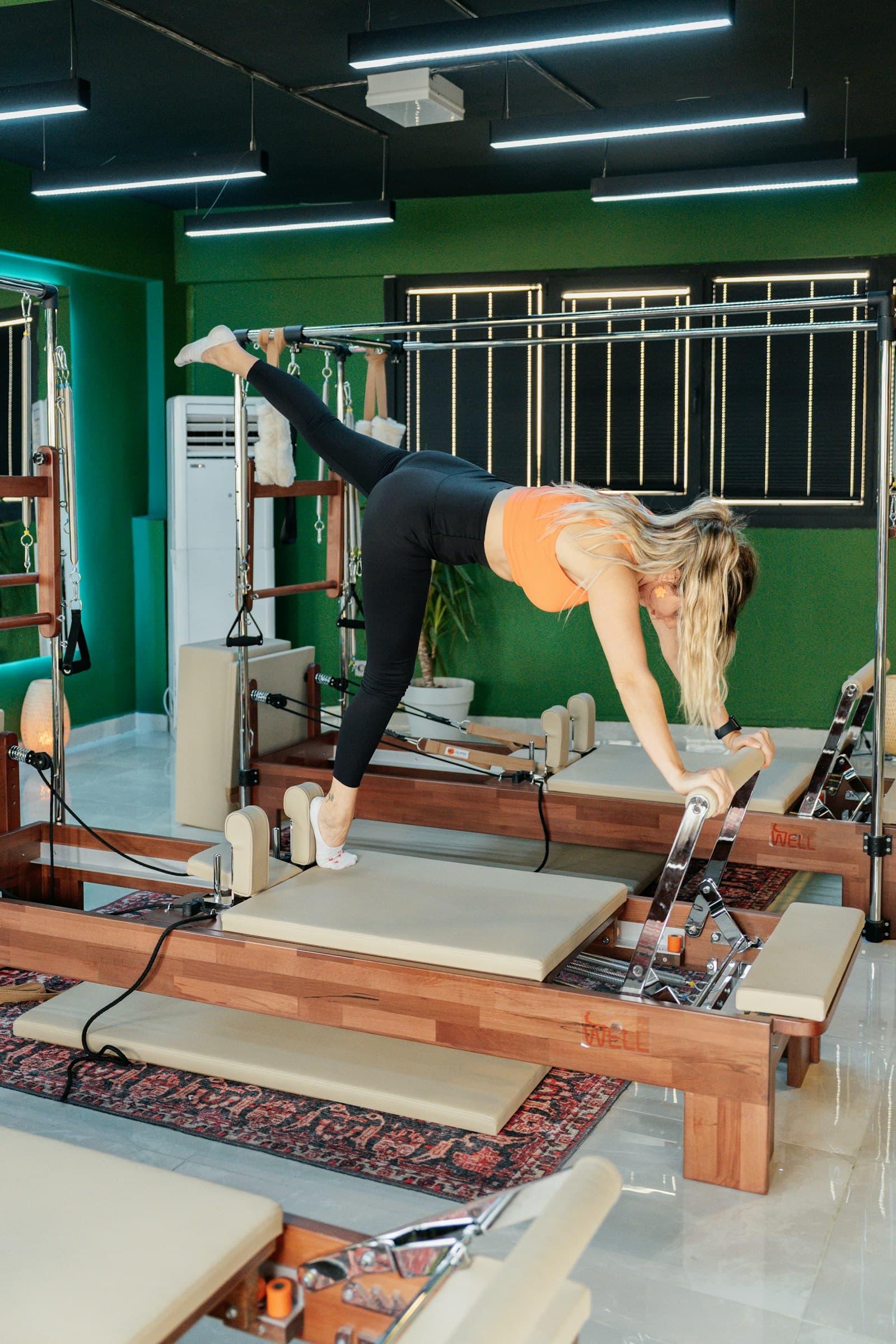
The median US pilates studio charges $32–$38 per class in a 10-pack. But the number alone doesn't tell you if it works — what matters is the gap between your pack per-class rate and your membership effective rate, and whether your instructor cost stays below 35% of what you collect. This post breaks down benchmarks by market size and pack tier, with the margin math behind each one.
What Do Pilates Studios Actually Charge for Packs?
Benchmarks vary by market size, format (reformer vs mat), and class size. These are actual ranges from Zatrovo's studio cohort — not survey estimates.
The 10-class pack is the most purchased format across all markets. It's the sweet spot between "affordable enough to try" and "committed enough to track." Five-class packs serve intro-offer buyers who want a low-commitment next step. Twenty-class packs reward high-frequency clients but shouldn't be discounted so aggressively that they undercut your membership.
How Do You Calculate the Right Pack Price?
Start with your instructor cost, not your competitor's price list.
The pack price floor is: (instructor cost per class / class size) × 2.5. That multiplier preserves a 60% gross margin on the instructor cost — enough to cover rent, software, and your owner draw after other expenses.
If you pay an instructor $50 to teach a reformer class with 6 clients, your instructor cost per client is $8.33. Floor price per class: $8.33 × 2.5 = $20.83. A 10-pack at $280 ($28/class) is well above that floor. A 10-pack at $150 ($15/class) is not.
Where Do Packs Out-Earn Memberships?
Packs out-earn memberships in cash flow timing and acquisition. A client who pays $350 for a 10-pack today delivers more immediate cash than a client who starts a $145/month membership. In the first 3 months, the pack buyer has contributed more.
By month 12, the membership math reverses. A client on $145/month for 12 months contributes $1,740. The same client buying two 10-packs at $350 each contributes $700 — and likely attends less frequently.
The hybrid model — memberships as the anchor, packs as the fallback — captures the best of both. It's what the majority of profitable pilates studios over $30,000/month revenue run. For how to structure membership tiers alongside pack pricing, see our pilates studio membership pricing guide.
How Do You Price a 5-Pack vs a 10-Pack vs a 20-Pack?
The discount ladder should be consistent and intentional.
The 10-20-25 Pack Discount Structure: A 5-class pack carries no discount off the drop-in rate. A 10-class pack carries a 10% discount. A 20-class pack carries a 20% discount. Nothing goes below that.
This structure rewards commitment with savings but keeps the discount shallow enough that:
- Memberships still offer a 30–35% effective discount (making them clearly the best value)
- The 20-pack doesn't become so cheap it cannibalizes memberships
What Pack Expiration Policy Protects Margin?
Short expirations drive attendance. Long expirations create revenue recognition problems and client disputes at expiry.
The standard policy: reformer packs expire in 90 days from purchase. Mat packs in 60 days. Offer a 30-day extension for a flat fee ($15–$25) — this generates ancillary revenue and avoids the confrontation of expiring a client's remaining credits.
Never offer permanent or no-expiry packs. They sit on your books as a liability and attract the worst client behavior: buying on sale, using slowly, demanding refunds on old credits when they eventually go to use them.
When Should You Raise Pack Prices?
Annually. With 30-days notice. And without apology.
The triggering conditions: rent increased, instructor rates increased, and your pack prices haven't moved in 12+ months. A 6–8% annual increase on a 10-class reformer pack ($350 → $374) is mathematically defensible and rarely causes churn from committed clients.
Announce the increase by email with a specific date and a 14-day window to buy packs at the current price. This generates a small revenue spike before the change and gives clients agency. Most clients who would churn over a 7% price increase were already marginal — they'll churn at the next trigger anyway.
Do not discount simultaneously. "Prices going up, but here's a sale" destroys the credibility of your pricing.
For a complete breakdown of how intro offer pricing ties into pack conversion, read our pilates intro offer conversion guide. And for how to manage private session pricing separately from group packs, see our pilates private session pricing guide.
Run your studio on Zatrovo
Manage pilates class packs, memberships, expiry, and payments on one platform.

We write playbooks for studio operators — based on data from thousands of studios running on Zatrovo across pilates, yoga, lash, nail, massage, salon, dance, and fitness.
Related reading
Yoga Class Pack Pricing: What Studios Charge in 2026
Benchmarks for yoga 5, 10, and 20-class packs — with margin math per pack size.
Pilates Private Session Pricing: 1:1 vs Duet vs Semi-Private
Price points, instructor splits, and booking rules for private, duet, and semi-private pilates sessions.
Pilates Membership Pricing Models Compared
Unlimited vs capped vs tiered — the pilates membership model that retains, with pricing math.